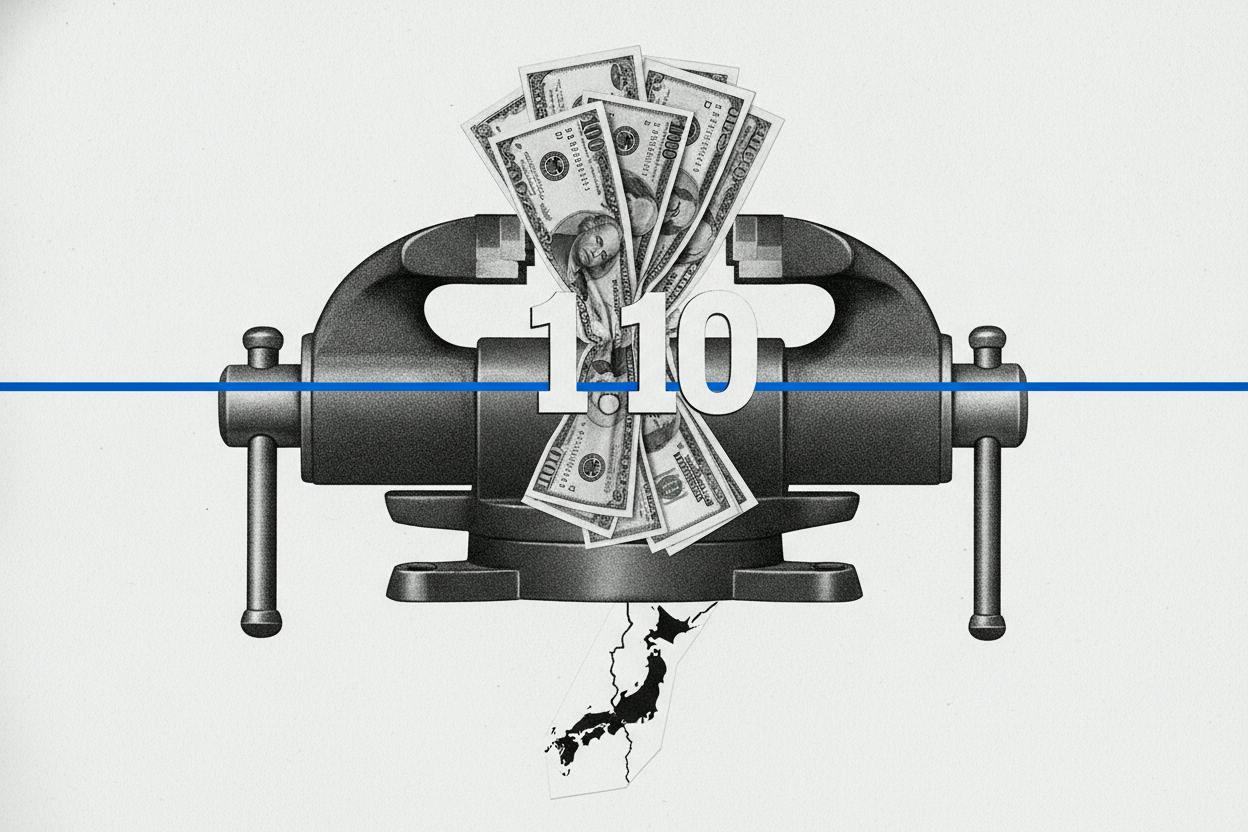
The US dollar is holding near its April 2025 highs, with the dollar index—a measure of the greenback against six major currencies—posting a fifth consecutive daily gain. The index is hovering around 103.48, supported by hotter-than-expected US inflation data and a chorus of Federal Reserve officials signaling that interest rates may need to stay higher for longer.
Investors are now turning their attention to remarks from Kevin Warsh, a former Fed governor and potential candidate for the central bank's top job, for any hints about the future path of monetary policy. However, many analysts doubt that a single speech will dramatically shift market pricing, given the recent run of data and the Fed's own guidance.
What's driving the dollar's strength?
The dollar's recent climb reflects a repricing of expectations for Fed policy. After a period where markets had priced in possible rate cuts, stronger inflation readings and hawkish comments from several Fed officials have led traders to reassess. The possibility of another rate increase is back on the table, which tends to boost the dollar by making US assets more attractive to yield-seeking investors.
This dynamic is not isolated to the US. A stronger dollar has ripple effects across global markets, from emerging-market currencies to commodities. For instance, a firmer dollar often puts downward pressure on commodity prices, as seen in recent moves in copper and other raw materials. You can read more about copper's recent slide and how the dollar is influencing that market.
Meanwhile, Japan's economy unexpectedly contracted in the latest quarter, a surprise that would normally weigh on the yen. Yet the yen has steadied, as many investors believe the Bank of Japan will view the weakness as temporary unless it shows up in wages and consumer demand. This resilience suggests that the BOJ is in no rush to adjust policy, which could keep the yen under pressure if the dollar remains strong.
The euro's dance with $1.10
The euro slipped to about $1.1011, leaving it close to the psychologically important $1.10 level. Round numbers like this often become market "pressure points" because that's where stop-loss orders and options hedges tend to cluster. If the euro clearly dips through that level, those mechanical trades can create extra demand for dollars, reinforcing the dollar's strength even without new economic news.
For investors, the EUR/USD pair's proximity to $1.10 can matter more than Fed commentary for the dollar index's level. A break below could trigger a cascade of automated trades, amplifying moves in the currency market. This is a reminder that technical levels can sometimes drive short-term price action more than fundamentals.
What it means for investors
A firmer dollar has several implications for everyday investors. For US investors with international exposure, a stronger dollar can reduce the value of foreign investments when converted back to dollars. It can also make US exports less competitive, potentially affecting multinational companies' earnings.
For euro-area companies, a stronger dollar means that imports and debt service in dollars become more expensive, tightening financial conditions. However, it can also cool euro-area inflation over time by making imported goods cheaper in euro terms—a mixed blessing for the European Central Bank, which is still fighting inflation.
In emerging markets, a strong dollar often puts pressure on local currencies and can lead to capital outflows. This is a theme we've seen recently, with currencies like the South African rand slipping toward 17 per dollar and the Indian rupee caught between a strong dollar and record equity inflows.
For now, the market is in a wait-and-see mode. The dollar's fate may hinge on upcoming economic data and any signals from Fed officials, including Warsh. If inflation remains sticky, the case for higher-for-longer rates strengthens, which could push the dollar even higher. Conversely, any signs of economic weakness could revive rate-cut bets and weigh on the greenback.
Investors should keep an eye on the dollar's five-day climb and what it means for their portfolios. While a strong dollar can be a headwind for some assets, it can also be a tailwind for others, such as US-based companies that benefit from cheaper imports. As always, diversification and a long-term perspective remain key.