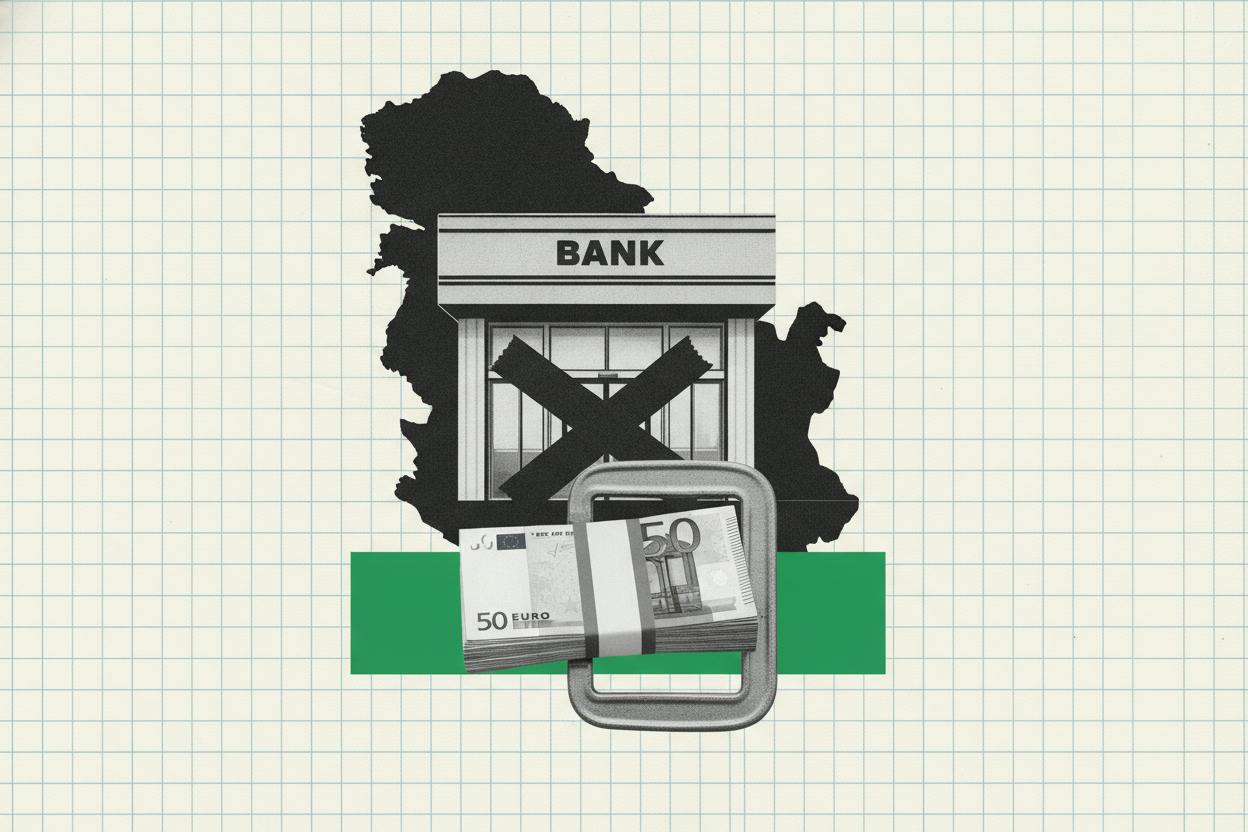
The European Central Bank (ECB) is weighing a plan to double the minimum reserves that eurozone banks must hold at the central bank, a move that could significantly reduce its interest expenses while subtly tightening conditions in money markets.
According to a Reuters report citing people familiar with the discussions, policymakers are considering raising the minimum reserve requirement to 2% from the current 1%. At today's interest rates, that shift could cut the ECB's annual interest bill by at least €4.4 billion.
While the change sounds like a technical detail, it touches on the core plumbing of how the eurozone's financial system operates. Here's what's happening and why it matters for investors.
Why the ECB pays interest to banks
For years, the ECB and other major central banks bought massive amounts of government bonds to stimulate their economies. That bond-buying, known as quantitative easing, flooded the banking system with cash. Banks ended up with far more reserves than they needed to meet regulatory requirements.
That excess cash doesn't just sit idle. Banks deposit it at the central bank, and the ECB pays interest on those deposits. When interest rates were near zero, that cost was negligible. But after the ECB raised rates sharply to fight inflation, the interest it pays on those reserves became a major expense.
In fact, the ECB has reported significant losses in recent years, partly because it pays banks more interest than it earns on the bonds it holds. Reducing that interest bill is a way to ease the financial strain on the central bank.
How raising the reserve floor helps
Central banks require commercial banks to hold a certain percentage of their deposits as reserves. These required reserves typically earn a lower interest rate than the rate paid on "excess" reserves—the cash banks hold beyond the minimum.
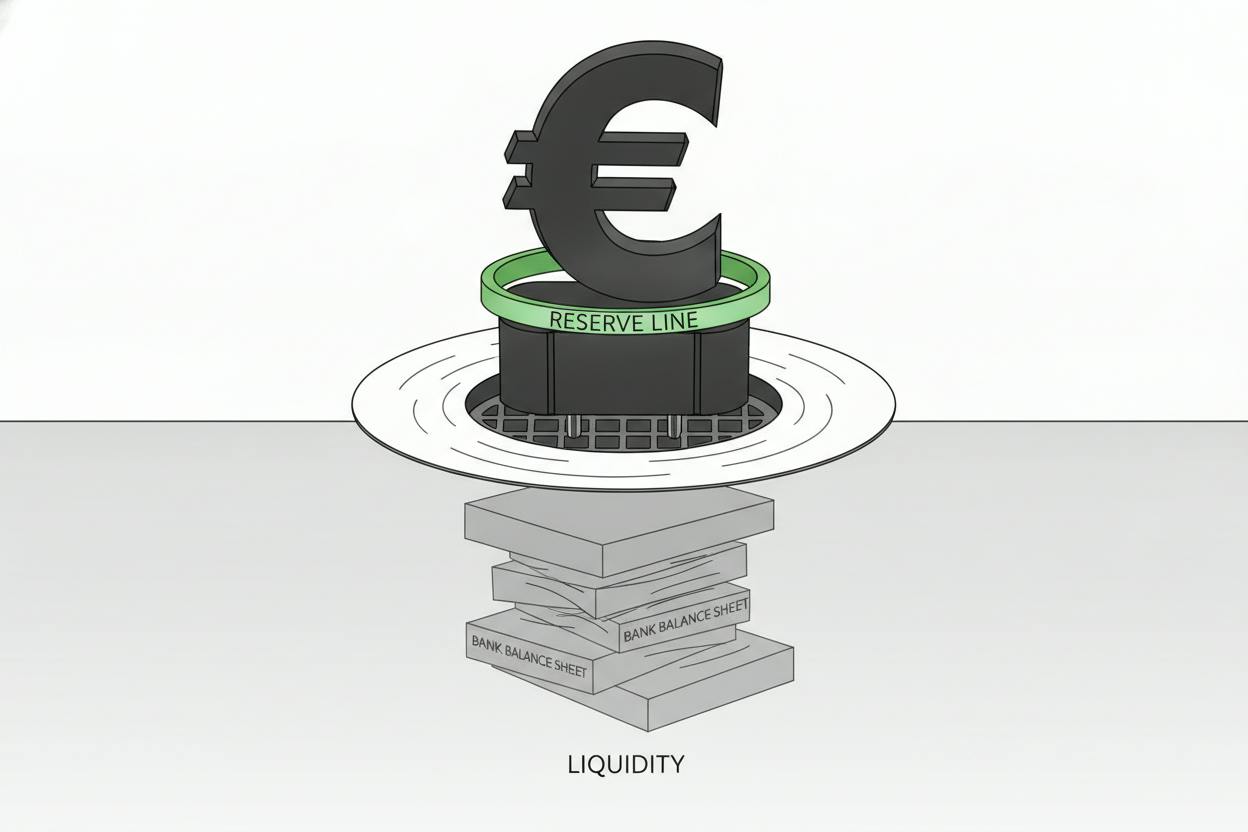
If the ECB raises the minimum reserve ratio to 2%, banks would have to park a larger share of their deposits in the lower-yielding required bucket. That would reduce the total amount of money earning the higher excess-reserve rate, cutting the ECB's interest payout.
It's a simple accounting shift, but it has broader implications. By locking up more liquidity, the ECB would reduce the amount of spare cash sloshing around the banking system. That can make money markets—where banks lend to each other overnight—slightly tighter and more sensitive to temporary cash squeezes.
What it means for short-term rates
The euro short-term rate (€STR) is the benchmark for a wide range of floating-rate loans and for overnight index swaps, the derivatives that traders use to bet on where policy rates are heading. Even modest changes in how tightly €STR trades can ripple through funding costs for banks and into hedging prices for companies and investors.
If the ECB requires more reserves, banks have less liquid money to move around day to day. That could make overnight borrowing a bit more expensive, nudging €STR slightly higher relative to the ECB's deposit rate. While the effect may be small, it can influence the pricing of short-term interest rate derivatives and, indirectly, the cost of borrowing for businesses and households.
For everyday investors, the impact is indirect but real. Many floating-rate loans, including some mortgages and corporate credit lines, are tied to short-term benchmarks like €STR. A change that alters those rates, even by a few basis points, can affect borrowing costs and the returns on money-market funds.
Investor takeaways
The ECB's consideration of a higher reserve floor is part of a broader effort to manage the costs and mechanics of its monetary policy after years of unconventional measures. It's a reminder that central bank decisions go beyond just setting interest rates—they also involve fine-tuning the system that transmits those rates to the real economy.
Investors should watch for any official announcement from the ECB, as well as how money markets react. If the change is implemented, it could lead to slightly higher short-term rates and a more cautious tone in the banking sector. But for most people, the effect will be subtle, showing up in the fine print of loan documents and fund prospectuses rather than in daily headlines.
As always, it's wise to keep an eye on the broader economic backdrop. Eurozone inflation has been a key driver of ECB policy, and recent data showing eurozone inflation ticking up could influence how quickly the central bank acts. Similarly, stock markets have been sensitive to inflation news, so any policy shift could have knock-on effects.
For now, the reserve floor proposal is just that—a proposal. But it highlights how central banks are adapting to a world where they hold trillions in assets and pay billions in interest. For investors, understanding these mechanics is part of staying informed about the forces that shape markets.