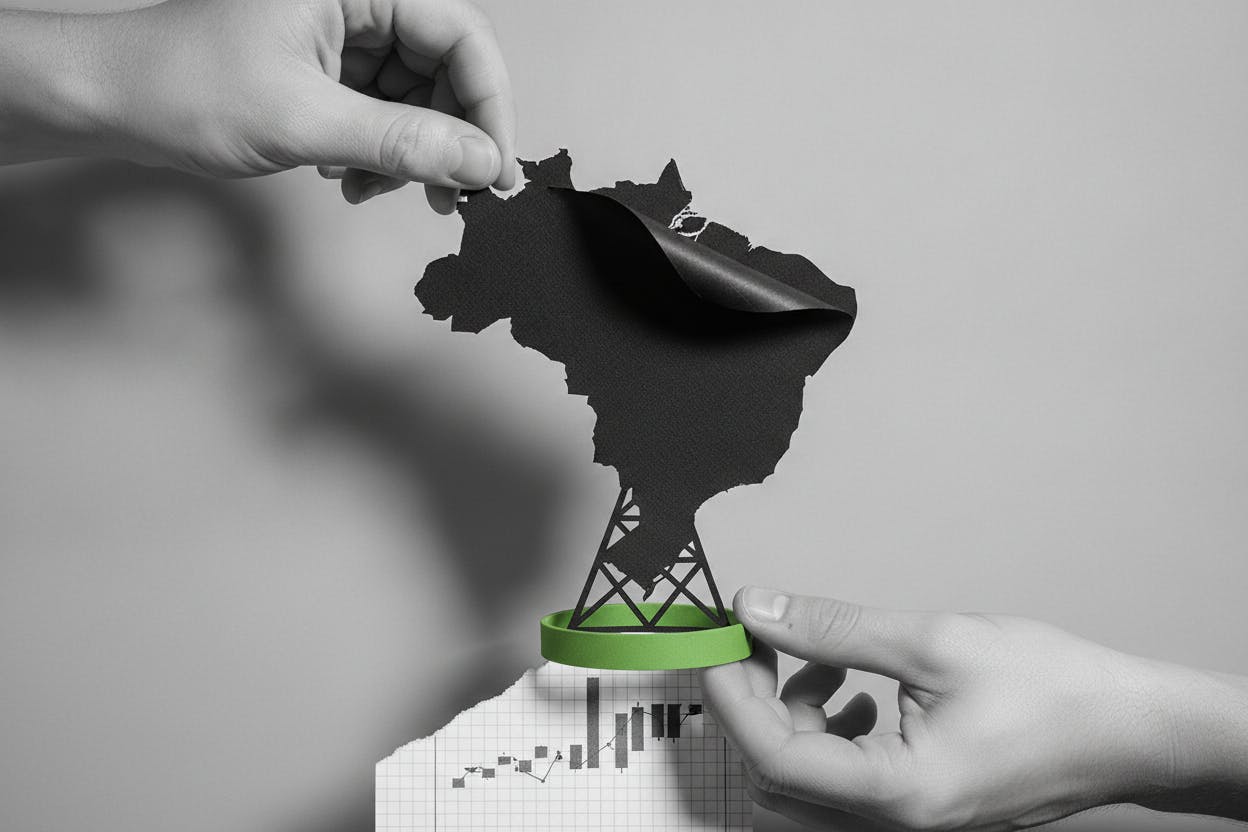
Brazilian utility Equatorial and Spain's Iberdrola are in discussions with Italy's Enel about purchasing Enel's Brazilian operations, according to a report from Brazil's Valor Economico. The talks signal a potential shake-up in one of Latin America's largest electricity markets, where regulated networks and long-term infrastructure returns are at the center of the deal's value.
Enel has been trimming its exposure in some countries to free up cash and focus on priority regions, while bidders like Equatorial and Iberdrola are looking for scale in a business where size can lower costs and make investment plans easier to fund. In Brazil, the most valuable pieces are often the regulated networks, where revenues are set by rules rather than daily swings in electricity prices. That's why any sale would likely come down to who can finance upgrades cheaply and integrate the assets without service hiccups or regulatory pushback.
What's at Stake in Brazil's Power Market
Brazil's electricity sector is dominated by large, regulated utilities that operate distribution networks under government concessions. These concessions set the rules for how much companies can earn on their investments, known as the regulated asset base (RAB) and the allowed return. For investors, this means the value of a utility like Enel's Brazil business is tied more to regulatory stability and financing costs than to volatile power prices.
Equatorial, a Brazilian utility with a strong track record of integrating acquisitions and improving efficiency, would bring local know-how and a deep understanding of the regulatory environment. Iberdrola, a Spanish energy giant with global operations, would bring cross-border ambition and potentially cheaper access to capital markets. The outcome of the talks may hinge on which buyer can offer a better price while convincing regulators that service quality and reliability will be maintained.
Regulators are also weighing concession renewals for some of Enel's Brazil assets, which adds another layer of complexity. A buyer would need to secure these renewals to ensure long-term cash flows, making credibility with regulators a key factor in the deal's success.
What It Means for Investors
For markets, a sale of Enel's Brazil business would be priced off regulated returns more than power prices. Utilities with big regulated footprints are usually valued like long-term infrastructure: investors focus on the regulated asset base and the allowed return. That makes financing costs and execution risk the real battleground. A buyer with a stronger balance sheet or cheaper borrowing can pay more for the same stream of regulated cash flows, and a buyer with local know-how may face fewer integration and reliability risks.
So if Valor Economico's report proves right, the eventual price tag – and whether Equatorial's home-field advantage beats Iberdrola's cross-border ambition – may hinge less on Brazil's spot power prices and more on cost of capital and credibility with regulators. Investors should watch for updates on the talks, as well as any regulatory decisions on concession renewals, which could set the stage for a deal.
This potential transaction also fits a broader trend of consolidation in Latin American utilities, as companies seek scale to manage rising interest rates and infrastructure costs. For everyday investors, the key takeaway is that regulated utilities offer steady, predictable returns, but the value of those returns depends heavily on who owns them and how efficiently they operate.
Related reading: Equatorial and Iberdrola Circle Enel's Brazil Assets as Regulators Weigh Concession Renewal