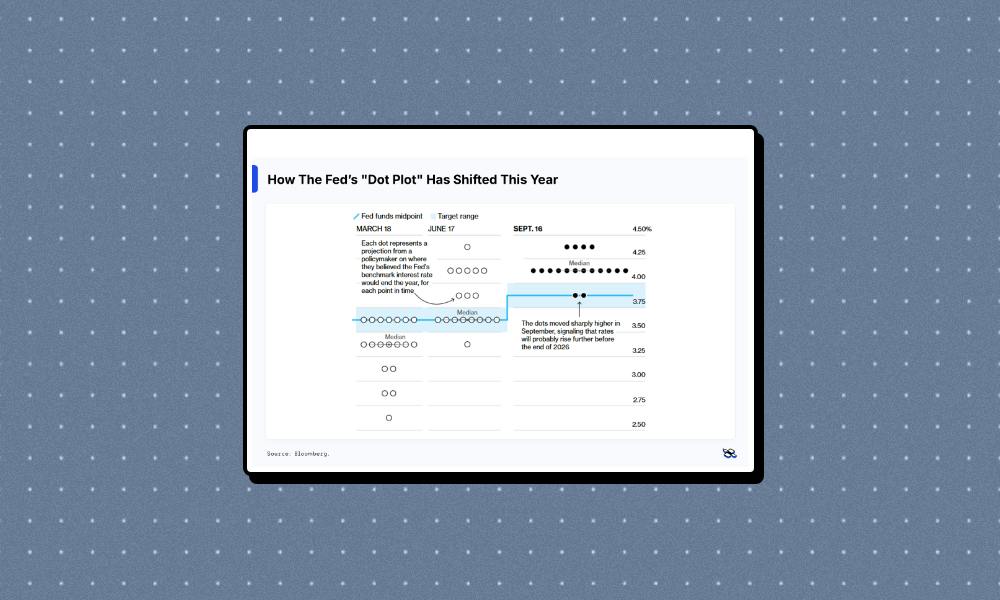
The Federal Reserve's latest projections signal a more aggressive path for interest rates than many investors had anticipated. According to the central bank's updated "dot plot," the median forecast for where rates will stand at the end of 2026 jumped to 4.1% from 3.8% in the previous estimate. Even more striking, 16 of the 18 policymakers now pencil in at least one more rate hike before the end of this year.
This hawkish shift comes on the heels of the Fed's first rate increase in more than three years, which lifted the target range for its benchmark rate to 3.75%-4%. The move marks a decisive turn from the ultra-low-rate environment that prevailed during the pandemic recovery.
Why the Fed is turning hawkish
The primary driver is inflation that refuses to cool as quickly as hoped. A combination of factors—ongoing trade tensions, tariffs, and a surge in investment tied to artificial intelligence—has kept price pressures bubbling beneath the surface. At the same time, the economy has shown remarkable resilience, giving policymakers the confidence to act without fearing an immediate recession.
August's hotter-than-expected inflation reading appears to have been the tipping point. With price increases running above the Fed's 2% target, officials felt compelled to signal that they are not done tightening. The updated projections make clear that the fight against inflation is far from over.
What the dot plot reveals
The dot plot is a visual representation of each Fed official's expectation for the future path of interest rates. It's a useful tool for gauging the central bank's collective thinking, though it is not a binding commitment. The evolution of the dots this year has been telling: policymakers have steadily lifted their expectations for where rates will finish in 2026, and September's shift was the largest yet.
The jump from 3.8% to 4.1% in the median 2026 forecast suggests that the Fed now sees rates staying higher for longer. That's a significant change from earlier in the year, when many investors expected the central bank to start cutting rates by then.
What it means for investors
For everyday investors, the immediate takeaway is that borrowing costs are likely to stay elevated, and may even rise further. That has implications for everything from mortgage rates to credit card interest to the returns on savings accounts. Higher rates tend to weigh on stock valuations, particularly for growth-oriented companies that rely on future earnings. They also tend to strengthen the dollar, which can pressure emerging-market assets and commodities priced in dollars.
Indeed, the initial market reaction has been telling. Stocks initially dipped as traders digested the hawkish signal, though some later questioned whether the Fed will follow through. Meanwhile, the dollar slipped and Treasury yields eased in a sign that markets are not fully convinced the central bank will deliver another hike.
For bond investors, the shift means yields could stay elevated, which can be a double-edged sword: higher yields offer better income but also reduce the price of existing bonds. For those with cash on the sidelines, higher short-term rates mean money market funds and savings accounts are paying more than they have in years.
Global ripple effects
The Fed's hawkish turn is not just a domestic story. A stronger dollar and higher U.S. yields can create headwinds for other economies, particularly those with dollar-denominated debt. Eurozone bond yields have already risen as investors adjust their rate expectations, and Asian markets have felt the pressure from a firmer dollar.
Emerging-market currencies, in particular, are vulnerable. A stronger dollar makes it more expensive for these countries to service their debt and can lead to capital outflows. The dollar's seven-week high has already put pressure on Asian currencies, and the loonie has hit a six-week low as the Fed's stance contrasts with a softer oil outlook.
Looking ahead
The key question now is whether the Fed will actually follow through on its hawkish projections. Inflation data in the coming months will be crucial. If price pressures continue to run hot, another hike is likely. If inflation cools faster than expected, the central bank could hold off.
For investors, the takeaway is to prepare for a world where interest rates stay higher for longer. That means being selective about stocks, particularly those with high valuations and heavy debt loads. It also means taking advantage of higher yields on cash and short-term bonds, which offer a safe haven in a volatile environment.
As always, the Fed's path is data-dependent. But for now, the message is clear: the era of cheap money is firmly in the rearview mirror.