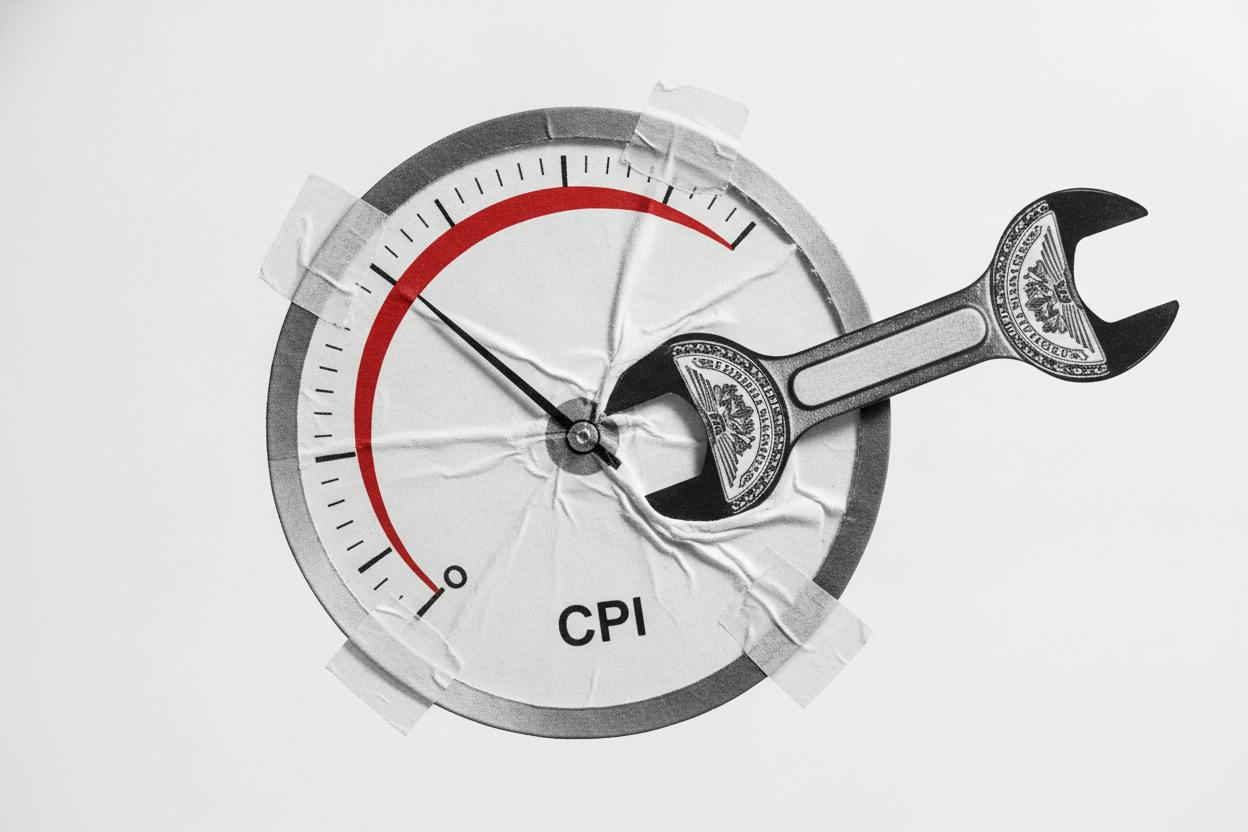
Philadelphia Fed President Anna Paulson said on Tuesday that "further gradual tightening" still looks appropriate after October's hotter-than-expected inflation report, putting a December rate hike back at the center of the conversation for investors.
Paulson, who is a voting member of the Federal Reserve's rate-setting committee this year, is signaling that the central bank isn't ready to declare victory on inflation. According to Reuters, consumer prices rose 0.4% in October, and Paulson argued that the data show price pressures are still lingering. She pointed to tariffs, energy costs, and heavy spending on AI-related projects as possible contributors.
Her bigger point is about momentum: even if inflation has cooled from its peak, policymakers worry it could settle above the Fed's 2% goal and gradually spread through the economy. That would keep the Fed in tightening mode for longer than many investors had hoped.
What the data shows
The October CPI report was the latest in a string of readings that have surprised to the upside. While inflation has come down significantly from the highs of the past couple of years, the pace of improvement has slowed. Energy prices have been volatile, and tariffs on imported goods are adding to costs for some businesses. Meanwhile, the boom in AI-related spending is boosting demand for electricity, data centers, and other infrastructure, which can feed into broader price pressures.
Paulson's comments suggest that the Fed is watching these forces closely. She didn't commit to a specific move at the next meeting, but her language was clear: the fight against inflation isn't over.
What traders are pricing in
Futures markets have taken the hint. Traders are now leaning toward a quarter-point increase at the December 8-9 FOMC meeting, and they're pricing in a meaningful chance of another hike in late January, especially if upcoming inflation data stay firm.
Some officials have even floated a larger move, though a quarter-point remains the base case. The shift in expectations is a reversal from just a few weeks ago, when many investors thought the Fed might pause its hiking cycle.
This isn't just about one CPI print. The market reaction usually isn't about a single data point by itself; it's about what it does to the expected path of the fed funds rate. When traders price in more hikes, they're effectively penciling in a higher "endpoint" for rates, which can tighten financial conditions even before the Fed acts.
What it means for your money
For everyday investors, the key takeaway is that interest rates are likely to stay higher for longer than previously expected. That has ripple effects across markets.
First, short-dated Treasury yields tend to rise when traders expect more hikes, because those bonds mostly reflect where investors think policy rates will sit over the next few meetings. That can make cash and short-term bonds more attractive relative to riskier assets.
Second, higher risk-free yields raise the discount rate used to value profits expected further in the future. That tends to pressure rate-sensitive, long-duration stocks—think technology and growth companies that promise big earnings years down the road. When the discount rate goes up, those future profits are worth less today.
Third, higher rates can also weigh on housing and other borrowing-sensitive sectors, as mortgage and loan costs climb. If you're holding bonds, rising rates mean existing bond prices fall, though new bonds offer better yields.
The Fed's next move isn't set in stone. If inflation data cool off in the coming weeks, the December hike could still be called off. But Paulson's comments are a reminder that the central bank is prepared to act if price pressures persist.
For context, other central banks are facing similar dilemmas. The Bank of England's Lombardelli has signaled rates may rise again, and Sweden's Riksbank recently raised its rate to 2% with more hikes ahead. Meanwhile, some Fed officials, like Governor Bowman, have argued that inflation is cooling without more rate hikes. The debate is far from settled.
For now, investors should watch the upcoming inflation reports and the Fed's commentary closely. The path of rates will shape everything from stock valuations to bond yields to the cost of borrowing.



