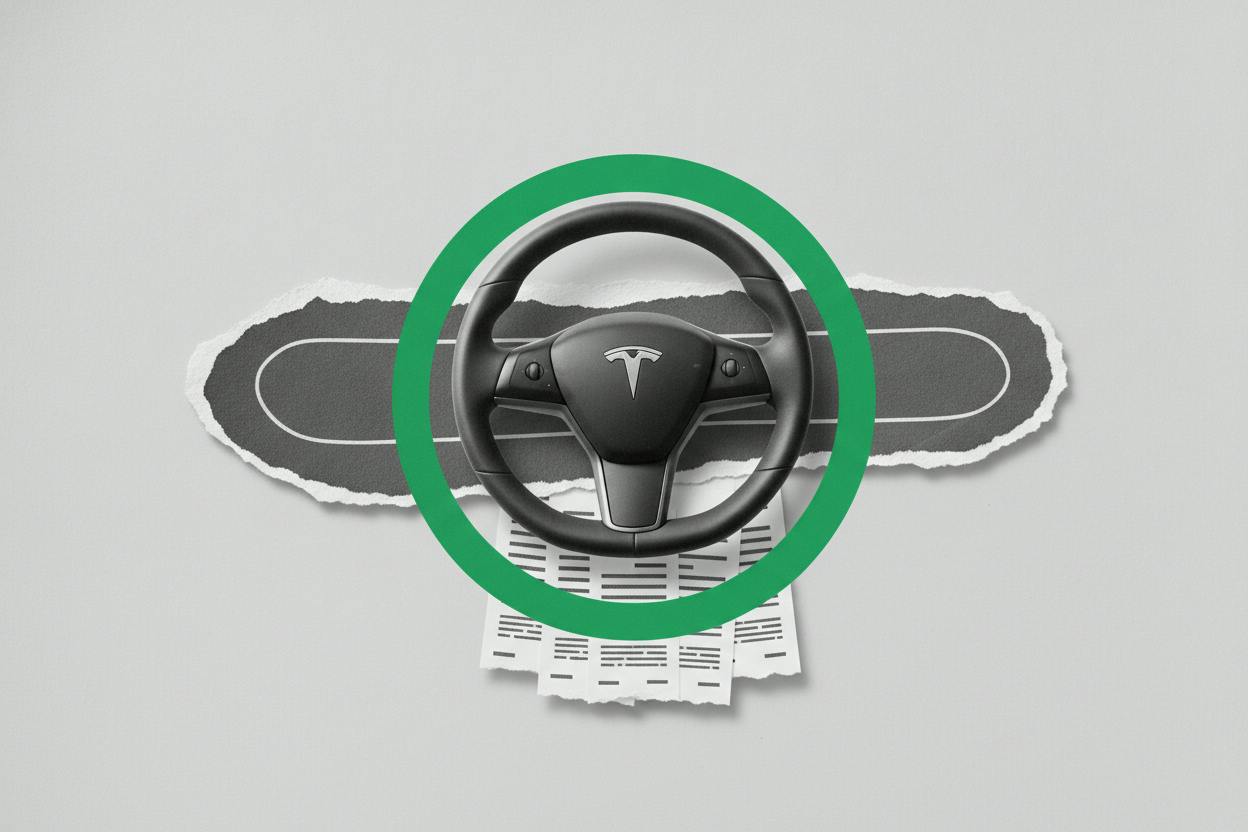
Finland's transport regulator has given provisional approval to Tesla's Assisted Driving system, a key step for the company's driver-assistance technology in Europe. The decision comes after Tesla renamed the product from "Full Self-Driving" and adjusted its speed-control behavior, changes that critics had said could encourage speeding.
The Finnish authority, Traficom, told Reuters it signed off on the system after these modifications. The approval is provisional, meaning it could be revisited, and a broader European Union vote expected this winter could still override national decisions like this one.
What is Tesla's Assisted Driving?
Tesla's Assisted Driving, or TAD, is a system that can steer, accelerate, and brake on its own. But it is designed to work only while a human driver remains fully responsible and attentive. In other words, it is not a fully autonomous system—drivers must keep their hands on the wheel and eyes on the road, ready to take over at any moment.
The name change from "Full Self-Driving" is significant. The old name suggested a level of autonomy that the system does not actually provide, which has drawn criticism from safety advocates and regulators. By renaming it, Tesla is aligning its branding more closely with what the technology actually does—assist, not replace, the driver.
Speed settings were another sticking point. Critics argued that the system's behavior could encourage speeding, so Tesla tightened those settings as part of the approval process. This is a reminder that driver-assistance features are not just about convenience; they also have to meet safety expectations from regulators.
Why does this matter for investors?
For Tesla investors, regulatory approvals are a big deal. The company's ability to sell its driver-assistance features in different markets directly affects its revenue and growth prospects. Europe is a major market for Tesla, and getting a green light in one country can pave the way for others—or at least set a precedent.
But the provisional nature of Finland's approval is a cautionary note. The EU is working on its own rules for automated driving, and a vote this winter could create a single standard that overrides national decisions. That means even if Tesla wins approvals country by country, a stricter EU-wide framework could change the game.
This is not the first time Tesla's driver-assistance technology has faced regulatory scrutiny. The company has had to navigate different rules in different regions, and its approach has often been to adjust features to meet local requirements. The Finland decision shows that Tesla is willing to make changes—like renaming and speed tweaks—to satisfy regulators.
Investors should also keep an eye on how this plays out in the broader context of Tesla's product lineup. The company is shifting its focus toward a Cybercab, a robotaxi that would rely on fully autonomous driving. That makes regulatory approval for driver-assistance systems even more critical, as it could set the stage for more advanced autonomy down the road.
What to watch next
The EU vote this winter is the next big milestone. If the EU adopts a unified standard, it could simplify things for Tesla—or make them harder, depending on how strict the rules are. Investors will also be watching whether other European countries follow Finland's lead and approve the system.
For everyday investors, the key takeaway is that regulatory decisions like this one are part of the normal risk landscape for tech companies like Tesla. Approvals can open up markets, but they can also be reversed or overridden. It's a reminder that investing in companies with cutting-edge technology often means betting on their ability to navigate regulation as much as their engineering.
In the meantime, Tesla continues to push forward with its product plans, including adding shifts to clear Cybertruck backlogs before transitioning its Austin plant to the Cybercab. These moves show a company in transition, balancing current sales with future ambitions.
Finland's approval is a positive signal, but it's not a done deal. The coming months will tell whether Tesla's assisted driving system can gain broader acceptance in Europe—and what that means for the company's bottom line.



