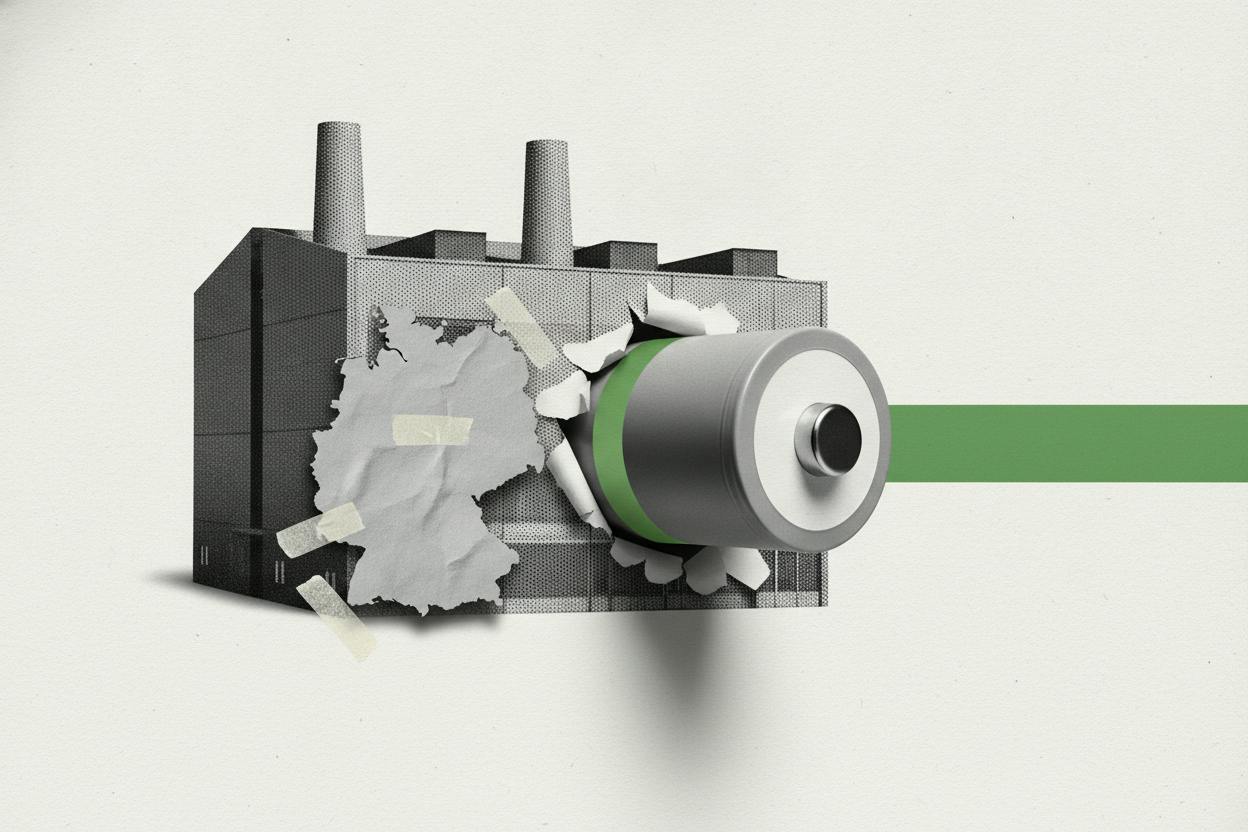
Tesla has laid out a timeline for building battery cells at its factory in Gruenheide, Germany, saying the site should begin full cell production by the middle of 2027. The target was shared by Andre Thierig, a senior director at the electric-vehicle maker, speaking at an industry conference in Berlin, according to Reuters.
Thierig said construction work tied to the cell project is already finished, and the site has started making battery components. Full cell manufacturing is the next step, with the company aiming for mid-2027 to get there.
The update matters because it shows Tesla moving further into a part of the EV business that has historically been dominated by specialist suppliers, mostly in Asia. Battery cells are the single most expensive component in an electric car, so making them in-house can shape both costs and supply reliability.
Why Tesla wants to build its own cells
A battery cell is the basic building block of an EV pack. It stores energy and largely determines how far a car can travel, how fast it charges and how much the vehicle costs to build. For years, most automakers bought cells from large manufacturers rather than making them.
Tesla has been trying to change that. Bringing cell production in-house is meant to give the company more control over its supply chain, reduce reliance on outside suppliers and, over time, lower costs per vehicle. That logic applies across the industry: automakers that control more of the battery pipeline are less exposed to shortages, shipping delays and price swings in raw materials.
Gruenheide, located near Berlin, is Tesla's main European manufacturing hub and its first large-scale plant on the continent. Adding cell production there would keep more of the value chain close to where the cars are assembled, rather than shipping finished cells from overseas.
The company has also been working on its own cell designs and manufacturing methods, part of a broader effort to make batteries cheaper and more efficient. Those efforts have taken time to scale, and timelines in this area have shifted before.
What it means for investors
For everyday investors, the headline is less about a single date and more about direction. A mid-2027 start would put Tesla closer to its long-stated goal of vertical integration in batteries, which analysts generally view as a potential long-term cost advantage if it works at scale.
But the timeline is also a reminder of how long these projects take. Battery cell manufacturing is capital-intensive and technically demanding, and companies in this position often face delays as they move from pilot lines to full output. Investors will likely watch for concrete milestones: whether component production ramps smoothly, whether the mid-2027 target holds, and whether the cells reach the quality and volume needed for vehicles.
There is also a competitive backdrop. European policymakers have pushed to build more battery capacity locally, and several automakers and suppliers are racing to stand up plants across the region. Progress at Gruenheide feeds into that wider effort to reduce Europe's dependence on imported cells.
For Tesla specifically, in-house cells could matter for margins over time. If the company can produce cells at a lower cost than buying them, that supports profitability per vehicle. If the ramp is slow or expensive, it can weigh on results in the near term. That trade-off is central to how investors assess the project.
The news landed alongside only modest moves in consumer exchange-traded funds and other large names, suggesting the market treated the update as incremental rather than a major shift. That reaction is typical for long-dated manufacturing plans, where the financial impact is spread over years rather than quarters.
Tesla has made other product and strategy moves recently, including plans to retire the Cybertruck to free up room for its Cybercab, and it has drawn attention for regulatory developments such as Finland approving its assisted driving after naming and speed adjustments. Those stories, like the battery plan, reflect a company juggling multiple long-term bets at once.
Investors should also keep the wider EV picture in mind. Demand growth in some markets has cooled from its earlier pace, and competition from lower-cost rivals has intensified. In that environment, cost control — including battery costs — becomes more important, not less.
For now, the key takeaway is simple: Tesla has put a marker down for European cell production. Whether it hits that marker, and what it costs to get there, is what will matter for the stock over the next few years.