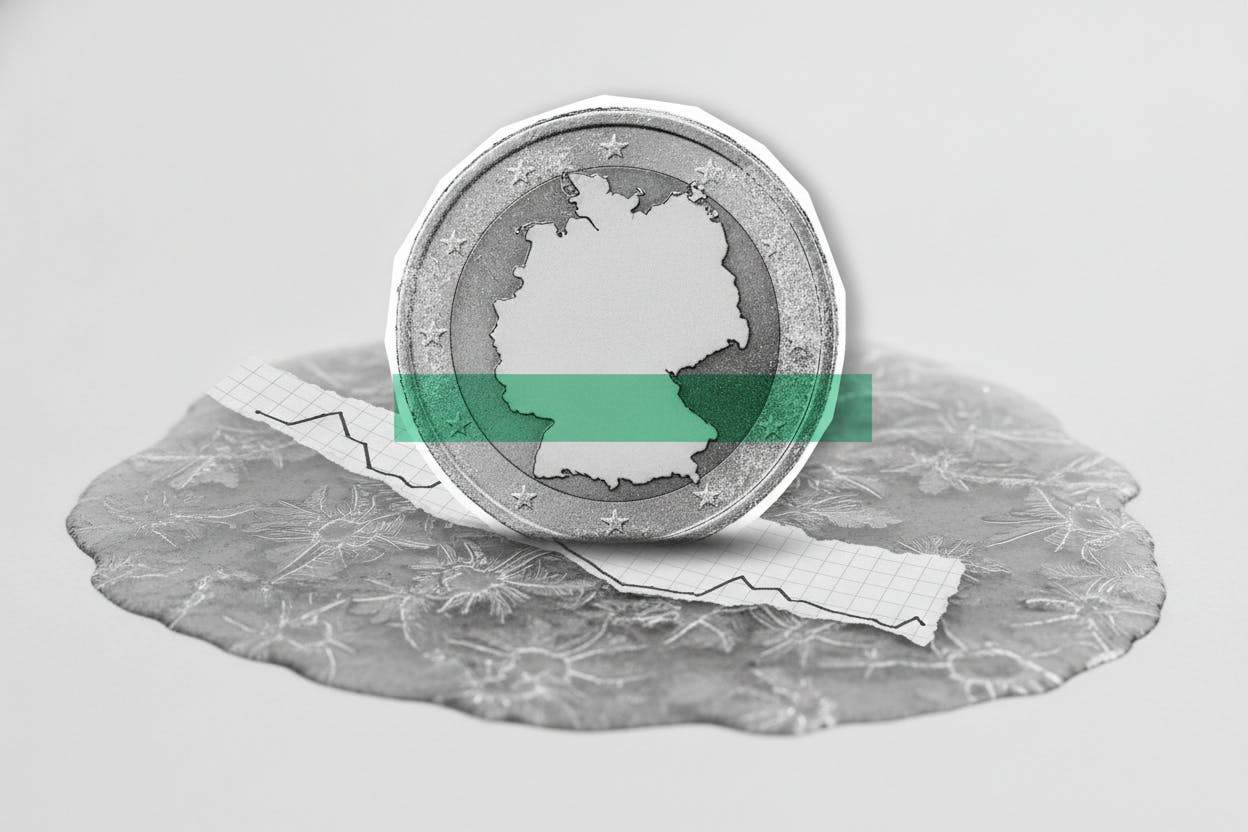
Early data from four major German states indicates that inflation cooled in June, offering a promising sign for Europe's largest economy and setting the stage for Tuesday's national reading. The state-level figures, released Monday, showed slower price growth in Bavaria, North Rhine-Westphalia, Baden-Wuerttemberg, and Lower Saxony, which together account for a significant share of Germany's economic output.
Bavaria's inflation rate ticked down to 2.5% from 2.6% in May, while North Rhine-Westphalia and Baden-Wuerttemberg both slowed to 2.1% from 2.4%. Lower Saxony also eased to 2.5% from 2.7%. These state releases often act as a preview for Germany's national harmonized inflation rate, a standardized measure used to compare countries across the European Union.
What's Driving the Cooling?
The slowdown in price growth comes amid a broader trend of easing inflation across the euro zone, as energy prices have moderated and supply chain disruptions have eased. Germany, which has been particularly sensitive to energy price shocks due to its reliance on Russian gas, has seen inflation fall from double-digit highs in late 2022.
Economists polled by Reuters expect the national harmonized inflation rate to cool to 2.5% in June, down from 2.8% in May. If confirmed, that would bring inflation closer to the European Central Bank's 2% target, though it remains above that level. The ECB cut interest rates in June for the first time in five years, signaling confidence that the inflation fight is progressing, but officials have stressed that further easing will depend on incoming data.
The state data also comes as euro zone bond yields have slid, reflecting reduced inflation fears. Oil prices have fallen to near four-month lows, which has helped ease cost pressures across the region.
What It Means for Investors
For everyday investors, cooling inflation is generally positive news. Lower inflation reduces the pressure on central banks to keep interest rates high, which can boost stock and bond prices. When inflation falls, the real value of fixed-income investments like bonds increases, and stocks often benefit from lower borrowing costs for companies.
However, investors should be cautious about reading too much into one month's data. Inflation can be volatile, and the state figures are preliminary. The national reading on Tuesday will provide a clearer picture, and markets will be watching closely for any surprises.
The data also has implications for the European Central Bank's next moves. If inflation continues to ease, the ECB may feel more comfortable cutting rates further, which could support European equities and bonds. Conversely, if inflation proves sticky, the ECB may hold off on additional cuts, which could weigh on markets.
Investors should also consider the broader context. While German inflation is cooling, other economies face different dynamics. For example, South African inflation expectations have jumped after an oil shock, pressuring the South African Reserve Bank. And in Japan, bond yields have risen as the yen plunges, stoking inflation fears. These divergent trends highlight that inflation is not a one-size-fits-all story.
What to Watch Next
The key event for markets this week is Tuesday's national German inflation reading. If it confirms the cooling trend, it could reinforce expectations for further ECB rate cuts later this year. Investors will also be watching the euro zone-wide inflation data due later in the week, as well as any commentary from ECB officials.
Beyond inflation, investors should keep an eye on other economic indicators, such as consumer confidence and industrial production, to gauge the health of the German economy. The country narrowly avoided a recession earlier this year, and a sustained easing of inflation could help support a recovery.
For now, the early state data offers a reason for cautious optimism. But as always, investors should focus on the long-term trends rather than reacting to every data point. Diversification and a clear investment strategy remain the best tools for navigating uncertain times.