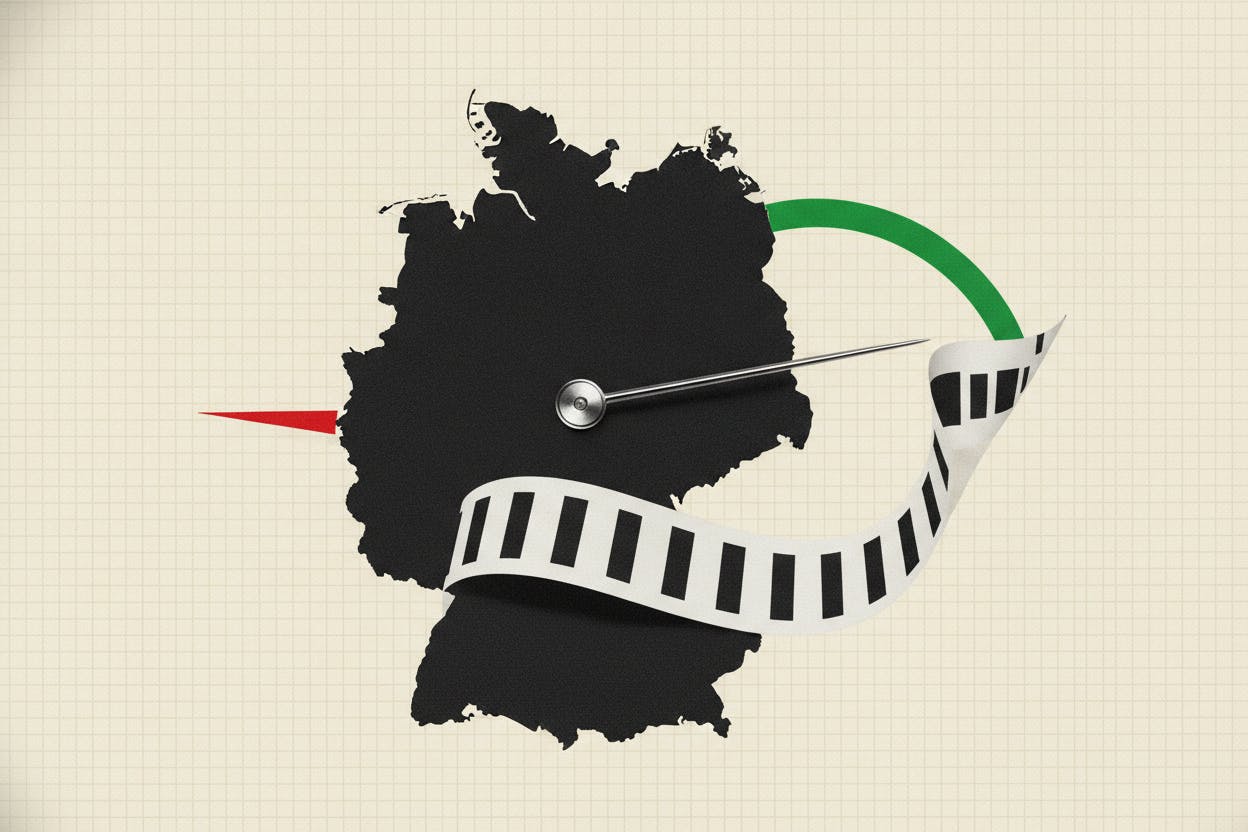
Germany's private sector returned to growth in July, according to a key business survey, offering a glimmer of hope for Europe's largest economy. But the recovery comes with a warning: rising energy costs are starting to squeeze companies again.
The Composite Flash Purchasing Managers' Index (PMI) rose to 51.2 in July, up from 49.5 in June, crossing the critical 50-point threshold that separates expansion from contraction. The data, compiled by S&P Global, marks the first expansion in months after a period of stagnation.
Manufacturing Leads the Charge
The rebound was driven primarily by the manufacturing sector, which has been under pressure for much of the past year. The manufacturing PMI climbed to 52.2 from 50.3, with output posting its strongest increase in roughly four and a half years. This suggests that factories are seeing a pickup in orders and production, a positive sign for an economy that relies heavily on industrial output.
The services sector also contributed to the overall expansion, though at a more modest pace. The composite reading, which combines both manufacturing and services, indicates that the recovery is broad-based but still fragile.
Germany's PMI performance mirrors trends seen elsewhere in Europe and Asia. France's business activity neared growth in July, with its PMI hitting 49.6, though it remained just below the expansion threshold. Meanwhile, Japan's factory growth held strong in July, though services slowed amid Middle East risks.
The Energy Cost Cloud
Despite the positive headline, the survey revealed a worrying undercurrent: rising energy prices are beginning to creep back into companies' cost bases. This is a familiar pain point for German manufacturers, which were hit hard by the energy crisis following the war in Ukraine. Higher energy costs can squeeze profit margins, reduce competitiveness, and dampen the recovery momentum.
The PMI data showed that input costs rose at a faster pace in July, driven largely by energy. If this trend continues, it could force companies to raise prices or absorb the costs, both of which have implications for inflation and consumer spending.
This energy risk is not unique to Germany. Australia's private sector growth hit a 2026 high in July, but confidence lagged, partly due to similar cost pressures. The global economic recovery remains uneven, with energy prices acting as a common headwind.
What It Means for Investors
For everyday investors, the PMI data is a useful barometer of economic health. A reading above 50 suggests that businesses are expanding, which typically supports corporate earnings and stock market performance. Germany's return to growth is a positive signal for European equities and for companies with exposure to the German economy.
However, the rising energy costs are a red flag. Investors should watch for how companies in energy-intensive sectors—such as chemicals, automotive, and heavy manufacturing—manage these pressures. If energy prices continue to climb, it could weigh on profit margins and slow the recovery.
The PMI data also has implications for the European Central Bank (ECB). A strengthening economy could give the ECB more room to keep interest rates steady or even consider future hikes if inflation picks up again. Conversely, if energy costs stall the recovery, the ECB may need to maintain a more accommodative stance.
For now, the July PMI offers cautious optimism. Germany's economy is showing signs of life, but the energy cost cloud means the road ahead is far from clear. Investors should keep an eye on upcoming inflation data and corporate earnings reports for further clues on the sustainability of this rebound.