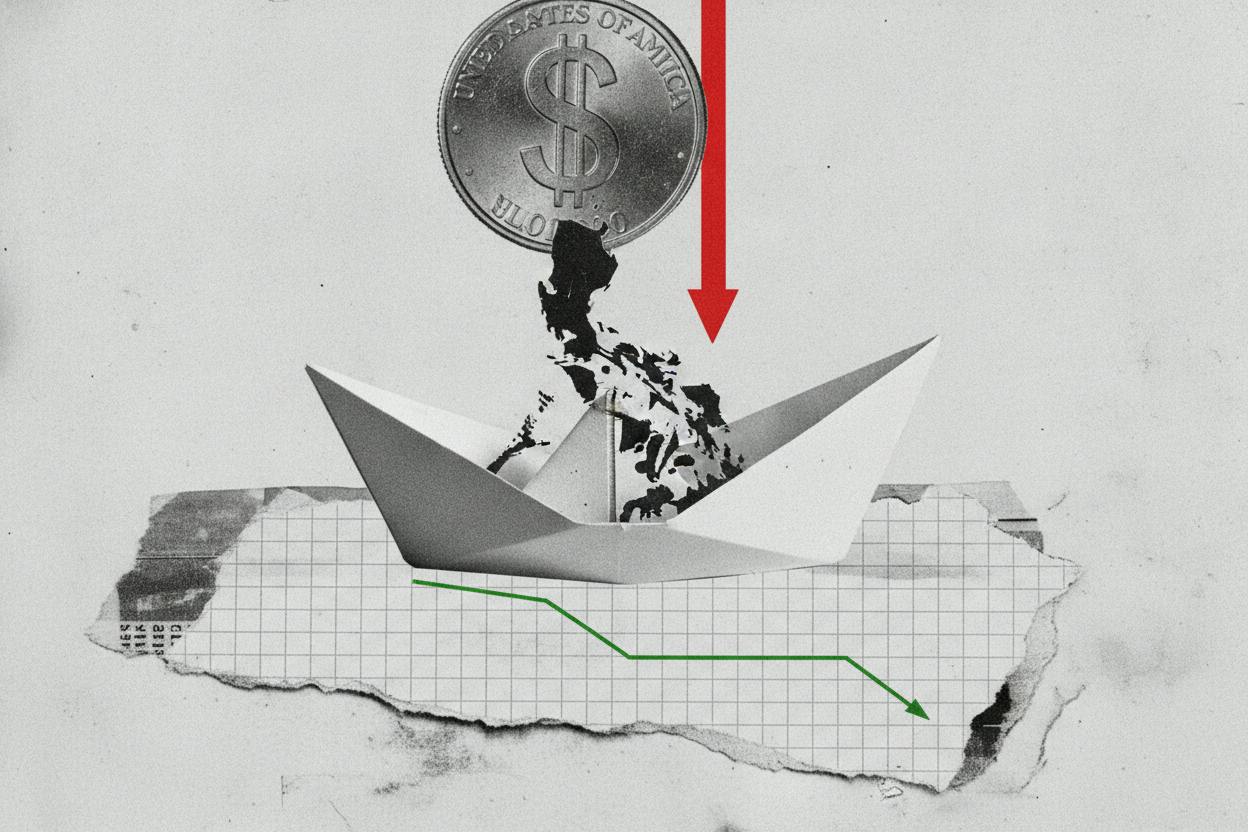
A hotter-than-expected US inflation report has rattled global markets, sending the dollar higher and pushing many emerging Asian currencies lower. The Philippine peso bore the brunt, sliding to a record 63.09 per dollar, its weakest level ever.
The data, which showed US consumer prices rising faster than analysts had forecast, forced investors to rethink the path for the Federal Reserve. Many now see a greater chance that the central bank will deliver another interest-rate hike sooner than previously expected. That shift in expectations has been a key driver of the dollar's recent strength.
Why a stronger dollar hurts emerging markets
When US interest rates are expected to stay higher for longer, global investors tend to move money into dollar-denominated assets, which offer relatively attractive yields. That flow of capital away from emerging markets puts downward pressure on their currencies.
For countries like the Philippines, a weaker currency can have several knock-on effects. It makes imports more expensive, which can feed into domestic inflation. It also raises the cost of servicing dollar-denominated debt for companies and the government, since those repayments become pricier in local currency terms. For everyday investors, this can translate into higher prices at the pump and in the grocery aisle, as well as volatility in local stock and bond markets.
The peso's slide is part of a broader trend across the region. Other Asian currencies have also come under pressure, though the peso has been among the hardest hit. The Philippine central bank has historically stepped in to smooth excessive volatility, but its ability to defend the currency is limited if the dollar keeps climbing.
What this means for investors
For investors with exposure to emerging Asian markets, the key takeaway is that the inflation story in the US remains the dominant force shaping global asset prices. Until there is clearer evidence that US price pressures are cooling, the dollar is likely to stay firm, and that will continue to weigh on emerging-market currencies and assets.
This dynamic is not limited to currencies. It has also been hitting equity markets across Asia. In related coverage, we've seen how hot US inflation hit Asian tech stocks, with South Korea's KOSPI index dropping 5.6%. Similarly, Japan's Nikkei plunged nearly 5% as AI-related shares were caught in the selloff. Even Chinese tech shares slid as rate worries resurfaced.
For investors holding dollar-denominated bonds or funds focused on emerging markets, the current environment calls for caution. Currency risk can amplify losses when the dollar strengthens. On the other hand, a weaker local currency can make a country's exports more competitive, which could benefit some companies in the long run.
The situation is fluid. Markets will be watching upcoming US economic data and any signals from the Fed about its next move. As we've noted in our coverage of the Fed's Beige Book, inflation pressures remain persistent across the US economy, suggesting that the central bank may not be done with rate hikes just yet.
For now, the peso's record low is a stark reminder of how interconnected global markets are. A single inflation report in Washington can ripple through to currency markets in Manila, affecting the purchasing power of millions. Investors should keep an eye on the dollar's trajectory and the Fed's policy path, as these will likely continue to drive emerging-market asset prices in the coming weeks.