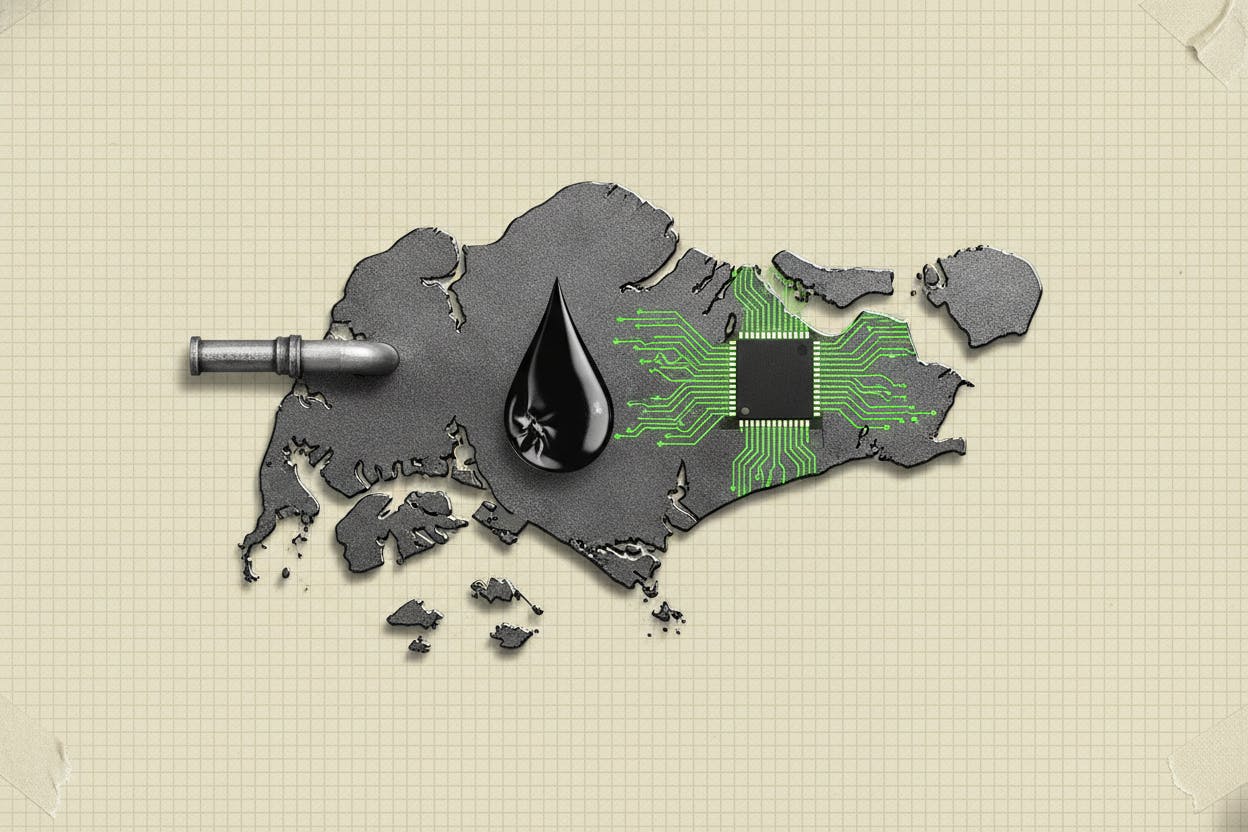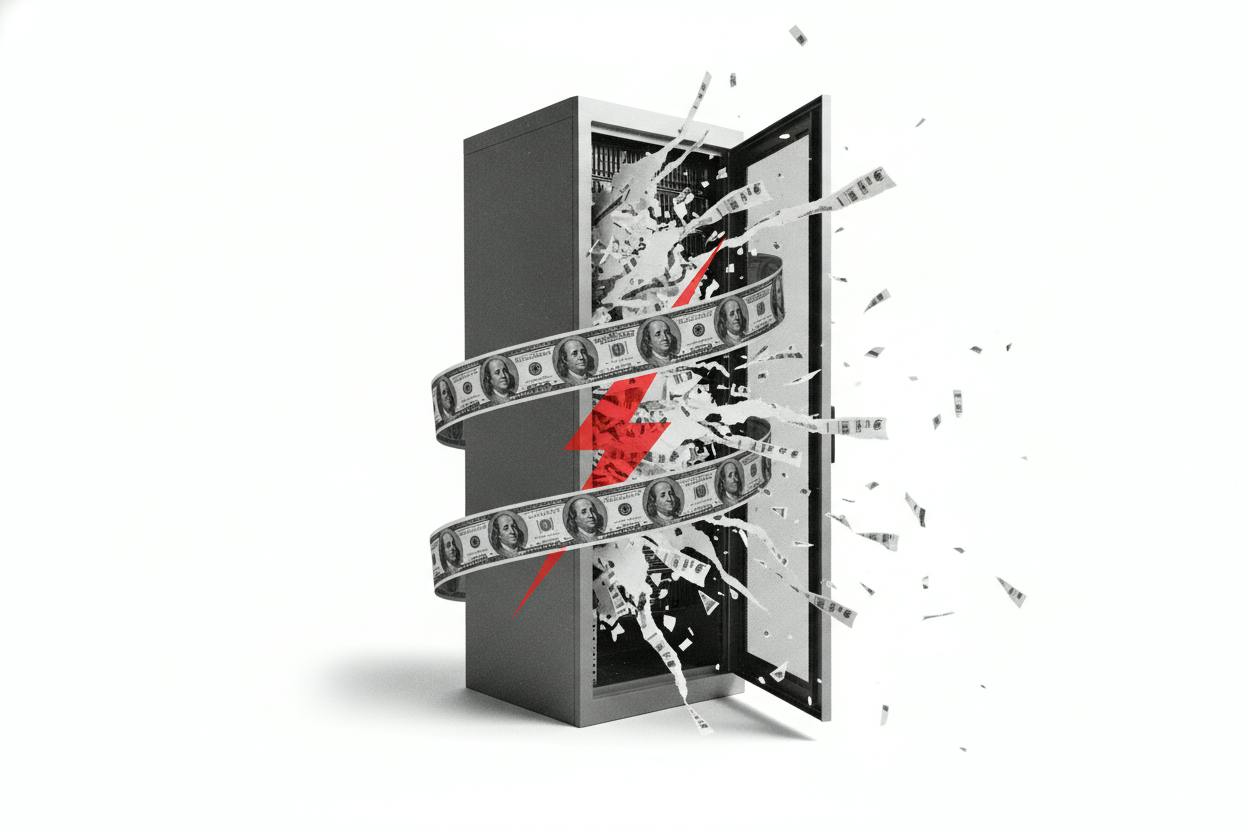
The International Monetary Fund is flagging a new kind of risk to the financial system: artificial intelligence that makes cyberattacks faster to launch and harder to contain. Speaking at the Sibos 2026 conference in Miami, IMF First Deputy Managing Director Dan Katz said AI is accelerating what he called the speed, frequency and breadth of vulnerability discovery — the process of finding weaknesses in software and systems.
The concern is not just that more bugs get found. It is that the gap between a flaw being discovered and being exploited is shrinking, giving defenders less time to patch systems before attackers strike. In finance, where transactions settle in seconds and confidence is everything, that compressed timeline matters far more than it does in most other industries.
Why shared infrastructure raises the stakes
Katz pointed to a structural feature of modern finance: banks, exchanges, payment networks and newer "tokenized" systems — digital representations of assets like bonds or deposits that trade on blockchain-style rails — increasingly run on the same underlying technology. That means the same handful of cloud providers, software vendors and connectivity networks sit beneath a large share of the financial system.
That concentration is efficient and has driven down costs, but it also creates single points of failure. If one widely used vendor or cloud region is compromised, the fallout does not stay contained to a single firm. It can cascade across many institutions simultaneously, which is precisely the kind of correlated event that turns a technical incident into a market event.
Investors have seen smaller versions of this before. When a major technology provider suffers an outage or a widely used software component is found to have a critical flaw, the disruption tends to hit many companies at once rather than one. Katz's warning is that AI could make those episodes more frequent and more severe.
The debt-funded AI spending angle
There is a second thread to the IMF's concern. A large share of the current build-out in AI — data centers, chips, networking and the software layered on top — is being financed with borrowed money. The IMF has separately cautioned that debt-funded AI spending could rattle markets if the returns fail to materialize on the timeline investors expect.
Combine heavy borrowing with concentrated technology infrastructure and you get a system where a cyber event could do double damage. A breach could disrupt operations at multiple firms at once, and it could also shake confidence in the very AI investments that lenders and shareholders have funded. In that scenario, an operational incident becomes a credit and valuation story too.
It is worth being clear about what Katz did and did not say. He did not predict a specific attack, name a vulnerable company or put a number on potential losses. The warning is about the shape of the risk: faster exploitation, shared plumbing and leveraged spending all pointing in the same direction.
What it means for investors
For ordinary investors, the practical takeaway is not to sell anything or buy anything on the back of this warning. It is to understand that cyber risk is now a market risk, not just an IT problem. That has a few implications worth keeping in mind.
- Concentration cuts both ways. Companies that benefit from shared cloud and software infrastructure also inherit shared vulnerabilities. A diversified portfolio still carries hidden common exposure through the technology stack.
- Cyber spending is becoming defensive capex. Firms in this position often increase budgets for security, monitoring and redundancy. That can pressure near-term margins but may reduce the odds of a costly incident.
- Watch disclosure and regulation. Regulators have been pushing for faster reporting of material breaches. Clearer disclosure could help markets price this risk, but it also means incidents become visible quickly — and share prices can react before the full picture is known.
- Tokenized systems deserve scrutiny. Newer blockchain-based market infrastructure is often built on a small number of code bases and service providers, which can amplify the impact of a single flaw.
Investors will likely watch a few things from here: how quickly regulators and standard-setters respond to the IMF's framing, whether banks and exchanges disclose more about their reliance on shared vendors, and whether the AI build-out continues to be funded heavily with debt. Related developments, such as AI being deployed to speed up cyber threat response, show the same tools cutting both ways — attackers and defenders are racing on the same technology.
The broader backdrop matters too. With central banks still managing inflation and rate paths — as seen in debates like the BOJ's hints at faster rate hikes — markets are already sensitive to shocks. A cyber event that hits multiple institutions at once would arrive in an environment where investors have less appetite for surprises, not more.
None of this is a reason to panic. It is a reason to treat cyber resilience as part of the fundamental picture when assessing financial companies, technology providers and the infrastructure they all depend on.