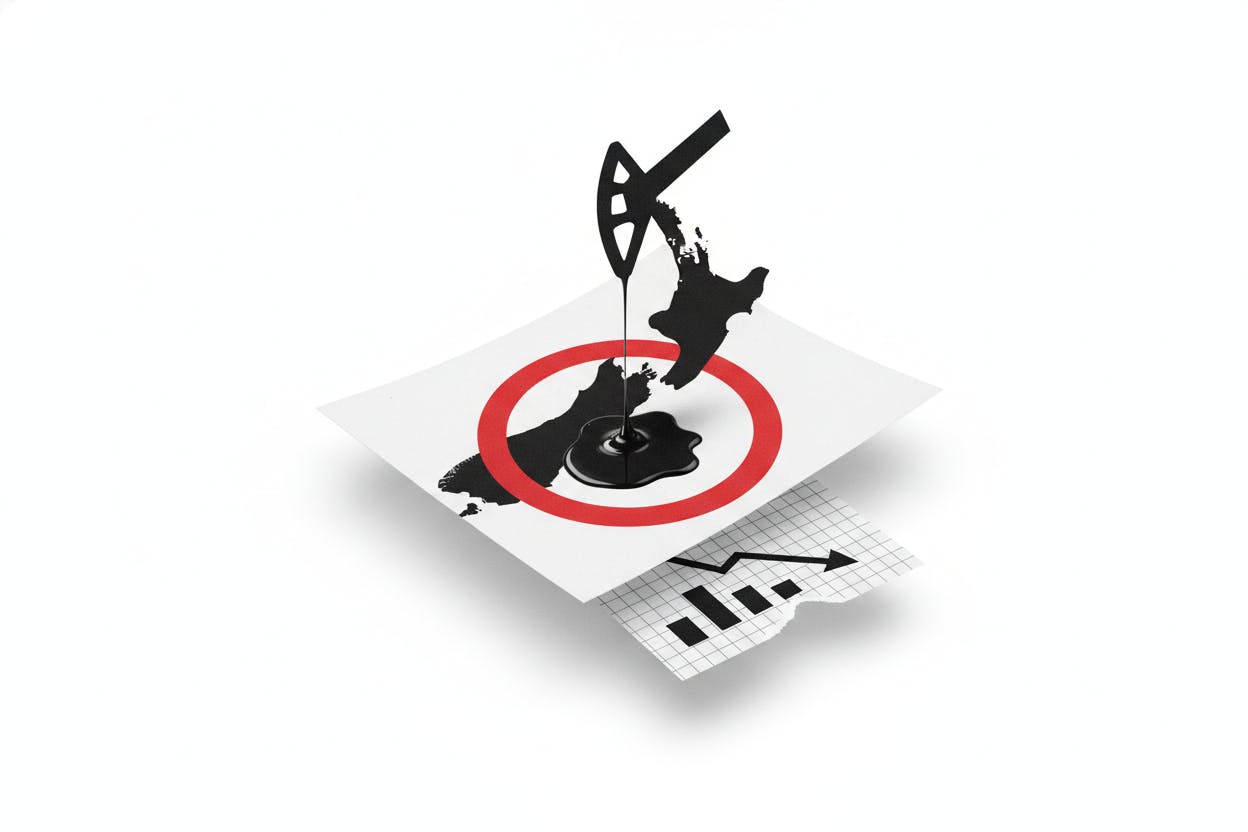
The International Monetary Fund (IMF) has delivered a sobering assessment of New Zealand's economic outlook, warning that a surge in oil prices linked to the Middle East conflict has derailed the country's early-2026 recovery. The fund now expects the economy to contract in the second quarter of 2026, a sharp reversal from earlier hopes of sustained growth.
In its latest Article IV mission report, the IMF noted that New Zealand had begun to regain momentum after a prolonged period of weakness. However, higher fuel costs are now squeezing household budgets and injecting fresh uncertainty into the outlook. The fund still forecasts growth of 2.0% for the full year 2026 and 2.7% in 2027, but the near-term picture has darkened.
Oil Shock and Inflation Pressures
The primary culprit is the jump in global oil prices, which has been driven by escalating tensions in the Middle East. For a small, trade-dependent economy like New Zealand, higher energy costs quickly feed through to consumer prices and dampen spending power. The IMF expects inflation, which stood at 3.1% year-on-year in the first quarter of 2026, to temporarily climb to around 4% in mid-2026. That would keep price growth above the Reserve Bank of New Zealand's (RBNZ) target range of 1-3% until the end of the year, with a return to the midpoint not expected until the second half of 2027.
This creates a difficult balancing act for the RBNZ. The central bank had been expected to continue cutting interest rates to support the economy, but the IMF advises it to gradually “withdraw accommodation” — meaning it should stop keeping policy extra-supportive — and move toward a broadly neutral interest-rate setting by the end of 2026. The fund also urges the RBNZ to remain flexible if price pressures persist.
What It Means for Investors
For everyday investors and households, the IMF's warning signals a period of awkward economic conditions. Growth is set to soften, but inflation is likely to stay uncomfortably high, limiting the central bank's ability to cut rates quickly. If the RBNZ eases too soon, it risks turning a fuel-driven price spike into a more entrenched inflation problem.
That has direct implications for anyone with a mortgage or a small business loan. Banks typically price refinancing and short-term business loans based on their own funding costs and expectations for where the RBNZ is headed. With inflation expected to stay above target through year-end, borrowers rolling over loans in late 2026 could still face elevated interest rates, even if the broader economy has already cooled.
The IMF also backed the broad shape of New Zealand's 2026 budget, but urged the government to rebuild fiscal buffers as growth improves and to continue pushing reforms that lift productivity and ease housing shortages. These structural issues have long weighed on the economy's potential, and the oil shock only adds to the urgency.
Broader Market Context
The oil-price shock hitting New Zealand is part of a global trend. Recent volatility in energy markets has affected economies worldwide, with some seeing sharp swings in currency and bond markets. For instance, India's markets have been stabilizing after the oil shock, with the rupee rebounding and foreign inflows returning. Meanwhile, oil prices have plunged toward their worst quarter since 2020 on supply hopes and Iran talks, showing how quickly sentiment can shift.
For New Zealand, the IMF's forecast underscores the fragility of the recovery. While the setback is expected to be brief, the combination of a Q2 contraction and sticky inflation will test policymakers and investors alike. The key question is whether the RBNZ can navigate this tricky period without causing unnecessary pain for borrowers or allowing inflation to become entrenched.
As always, investors should watch for updates from the RBNZ and keep an eye on global oil prices, which will remain a wildcard for the New Zealand economy in the months ahead.