Global investment firm KKR is looking to sell Central Tank Terminal, a Japanese company that stores and moves liquid cargo like refined oil and chemicals. According to a Reuters report, several major infrastructure investors are circling the asset, including MBK Partners, Actis, and Bain Capital. The deal could value the business at more than $600 million, including debt.
Central Tank Terminal operates storage facilities at key Japanese ports such as Kawasaki, Yokohama, Nagoya, Osaka, Kobe, Hiroshima, and Moji. It also has a South Korean subsidiary, Central Terminal Korea. KKR bought the company in 2021 from Macquarie Infrastructure and Real Assets, an infrastructure investment manager. The sale process is still in its early stages, and no final decision has been made.
What Is Central Tank Terminal?
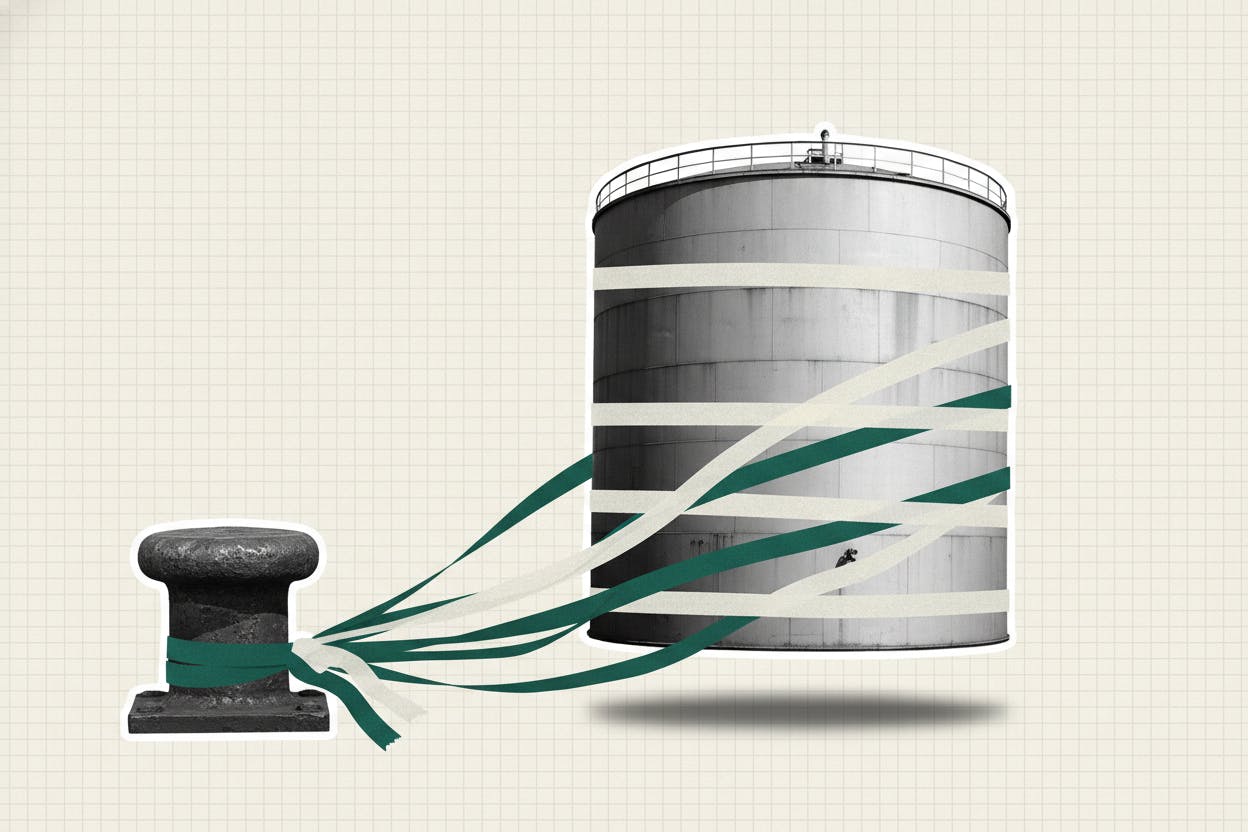
Central Tank Terminal is what is known as midstream infrastructure. It sits between the producers of oil, gas, and chemicals and the end users. The company owns and operates tank terminals that store products like gasoline, diesel, jet fuel, and industrial chemicals. These facilities are often located near major ports, allowing ships to load and unload cargo efficiently.
This type of business tends to generate steady, long-term cash flows because customers sign contracts to use the storage space. The value of such assets often depends on the stability of those contracts and the strategic location of the terminals. For investors like MBK Partners, Actis, and Bain Capital, acquiring Central Tank Terminal would give them a foothold in Japan's energy and chemical logistics market.
Why Are Bidders Interested?
Infrastructure assets like tank terminals are attractive to private equity firms and infrastructure funds because they provide predictable revenue. The demand for storage of oil and chemicals is relatively stable, even when the broader economy slows down. Japan is a major importer of crude oil and refined products, so port-side storage is essential for the country's energy security.
The potential valuation above $600 million reflects the size and quality of the asset. KKR likely sees an opportunity to cash in on the strong demand for infrastructure investments. Similar deals have been happening globally, as investors seek assets that can generate steady returns in an environment of higher interest rates. For example, Kuwait Petroleum recently pushed bidders to form consortiums for a $7 billion pipeline stake, showing the appetite for energy infrastructure.
KKR itself has been active in other infrastructure areas. The firm has also explored insurer partnerships to tap Europe's pension risk transfer market, indicating a broader strategy to recycle capital into different opportunities.
What It Means for Investors
For everyday investors, the sale of Central Tank Terminal is a reminder that infrastructure assets can be valuable investments. Companies that own and operate essential facilities like storage terminals, pipelines, and ports often generate steady cash flows, which can support dividends or share buybacks. However, these assets are typically owned by private equity firms or large institutional investors, not directly by retail investors.
Investors who want exposure to this sector can look at publicly traded infrastructure funds or companies that own similar assets. For example, Enterprise Products Partners is a large US-based midstream company that has been benefiting from wider margins in natural gas liquids. While the Japanese market is different, the same principles apply: stable demand, long-term contracts, and strategic locations.
The sale process also highlights the ongoing interest in Japanese assets from global investors. Japan's economy has been showing signs of recovery, and the weak yen has made Japanese companies cheaper for foreign buyers. This could lead to more M&A activity in the country, which may affect stock prices of companies in related sectors.
What to Watch Next
The bidding process for Central Tank Terminal is still ongoing. The final sale price and the winning bidder will depend on how much value the bidders see in the asset. If the deal goes through at a price above $600 million, it could set a benchmark for similar infrastructure assets in Japan.
Investors should also watch for any regulatory approvals, as Japan's government has been scrutinizing foreign ownership of critical infrastructure. However, since the bidders are all experienced infrastructure investors, this is unlikely to be a major hurdle.
In the broader context, the sale of Central Tank Terminal is part of a trend where private equity firms are selling assets they acquired a few years ago, taking advantage of strong demand from infrastructure funds. This could mean more deals in the pipeline, which may create opportunities for investors in related sectors.