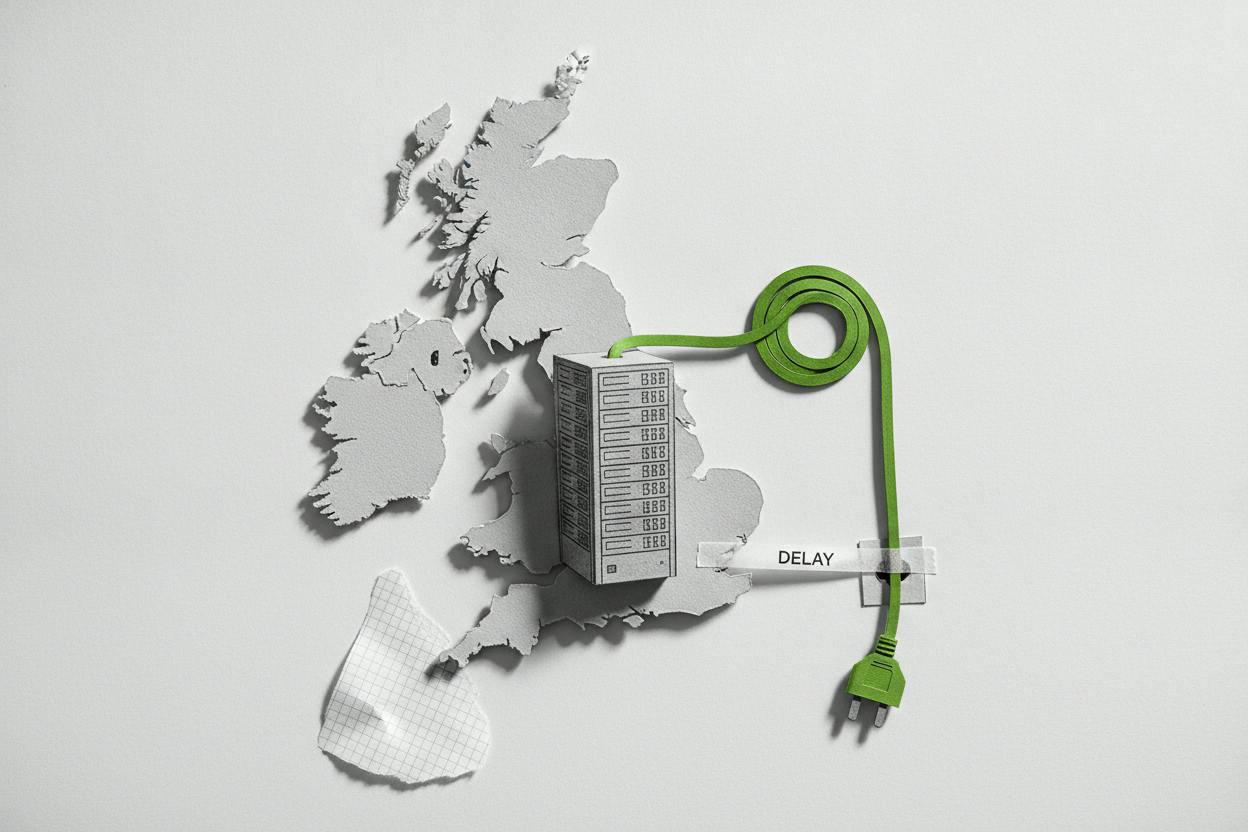
AI cloud company Nebius trimmed the top end of its 2026 revenue outlook after some third-party data-center capacity was delayed into early 2027, sending its shares down 16% on Thursday. The company now expects 2026 revenue of $3.0 billion to $3.2 billion, down from a previous range that topped out at $3.4 billion.
The revision reflects a common headache in the AI infrastructure boom: even as demand for computing power soars, the physical data centers that house the chips aren't always ready on time. Nebius had planned to lease space from outside providers, but some of that capacity will now arrive later than expected.
What happened
Nebius, which provides cloud services for AI workloads, said the delay affects a handful of third-party sites. CEO Arkady Volozh stressed that the capacity isn't canceled—just pushed back. He added that the company's own data-center construction is on track or ahead of schedule.
At the same time, Nebius raised its 2026 capital spending forecast to about $27 billion, up from earlier plans. That increase reflects the company's aggressive build-out of its own infrastructure, even as it waits for outside capacity to come online.
The combination of lower revenue expectations and higher spending is a double hit for investors, which explains the sharp selloff. Nebius is still growing quickly, but the market is now pricing in a more expensive and slower path to that growth.
Why data-center delays matter
Data centers are the physical backbone of AI. They require massive amounts of power, cooling, and specialized chips, and building them takes years. Many AI companies, including Nebius, rely on a mix of their own facilities and leased space from third-party providers to meet demand.
When a third-party site slips, the company can't simply flip a switch elsewhere. The delay can push back customer deployments and revenue, even if the underlying demand remains strong. This is a growing theme across the AI sector, as the AI data-center boom shifts risk into private credit's shadows, with lenders increasingly exposed to construction and operational hiccups.
For Nebius, the delay is a timing issue rather than a demand problem. Volozh's comments suggest the company still expects to use that capacity eventually—just later than originally planned.
What it means for investors
For everyday investors, the key takeaway is that AI infrastructure companies face real execution risks, even when the long-term story looks intact. Nebius's revenue guidance cut is a reminder that growth forecasts can be sensitive to supply-side delays, not just demand.
The raised spending forecast also highlights the capital intensity of the AI cloud business. Nebius is committing billions to build out its own data centers, which could pressure cash flow in the near term. Investors will be watching whether that spending translates into revenue growth once the delayed capacity comes online.
Nebius's situation is not unique. Other companies in the AI supply chain have also trimmed outlooks due to capacity or demand issues, such as Applied Aerospace cutting its 2026 outlook and Corteva slashing its profit outlook. The pattern underscores how supply-chain and timing issues can ripple across industries.
For those holding Nebius shares, the 16% drop is a sharp reminder of volatility. The company's core business—providing cloud computing for AI—remains in high demand, but the market is now more cautious about the pace of expansion.
Looking ahead, investors will likely focus on two things: when the delayed third-party capacity actually comes online, and whether Nebius's own data-center build-out stays on schedule. Any further slippage could pressure the stock again, while positive updates could restore confidence.
As always, it's important to remember that one quarter's guidance change doesn't define a company's long-term prospects. But it does highlight the risks of investing in capital-intensive, fast-growing sectors like AI infrastructure.