New Zealand motorists got a second straight month of relief at the pump in June, as petrol and diesel prices fell from May levels. But the bigger picture is less comforting: fuel costs are still sharply higher than a year ago, and the knock-on effects are likely to keep showing up in household bills for months to come.
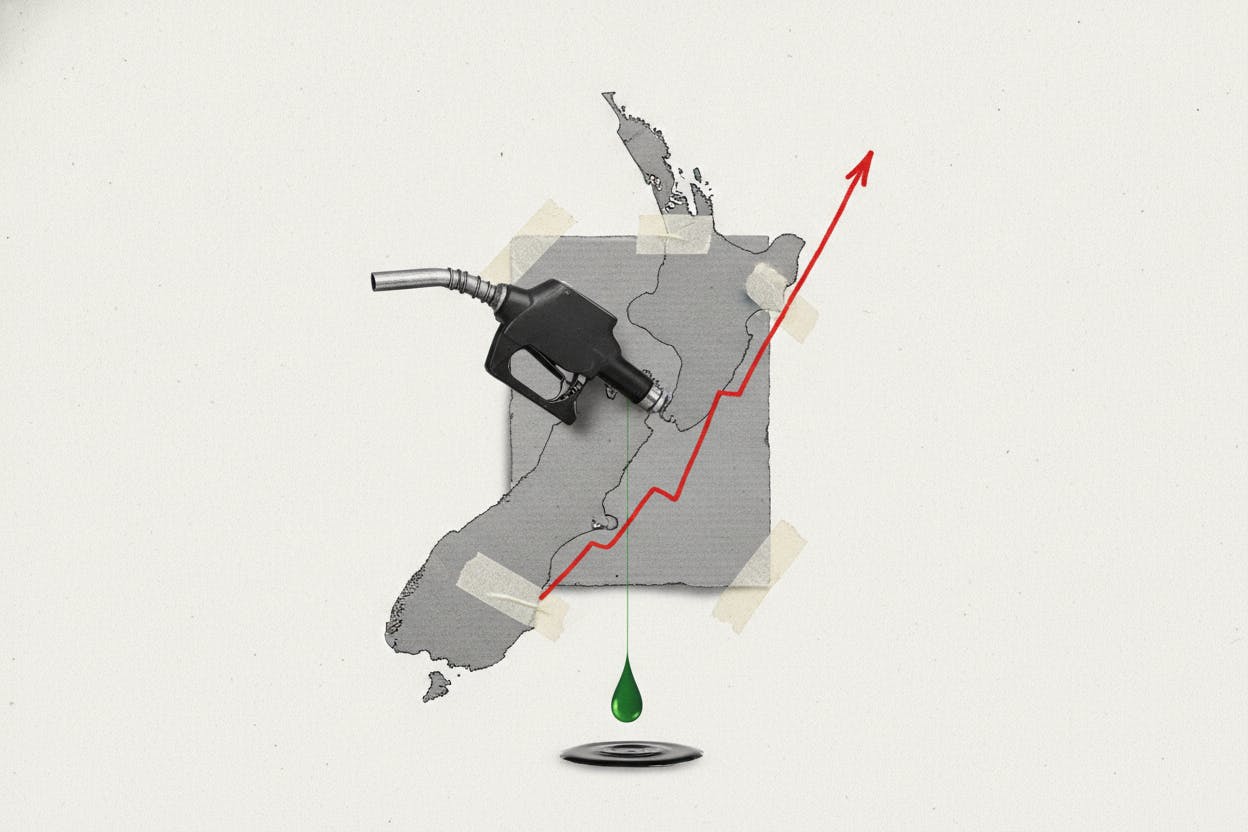
According to data from Stats NZ, petrol prices dropped 4.2% in June compared with May, while diesel fell 12%. That follows a similar decline in May, offering some respite after a prolonged period of high fuel costs. However, compared with June last year, petrol is still up about 24% and diesel is up about 57%.
Why diesel matters more than you think
Diesel is the workhorse fuel of New Zealand's economy. It powers most of the country's trucking fleet, delivery vans, buses, farm machinery and many commercial vehicles. So when diesel prices spike, the cost of moving goods around the country rises too.
That's why a 12% monthly drop in diesel, while welcome, doesn't immediately translate into lower prices on supermarket shelves. Transport companies typically adjust their fuel surcharges and long-term delivery contracts on a lagged schedule. Businesses that have absorbed higher running costs for months may not pass on savings right away, especially if they expect prices to bounce back.
The same logic applies to petrol. Even though the monthly decline helps household budgets directly at the pump, the broader inflationary pressure from fuel remains. And with global oil markets still volatile, there's no guarantee the downward trend will continue. Recent moves in oil prices have been mixed, with traders weighing supply risks and demand signals. For context, oil prices have dipped recently as traders assess the real risk of disruption in the Strait of Hormuz, a key chokepoint for global crude shipments.
Other costs keep climbing
Fuel isn't the only thing getting more expensive. Stats NZ's selected price indexes also showed that food prices rose 0.6% from May, driven by a 2.3% increase in fruit and vegetables and a 0.4% rise in grocery food. Utility bills edged higher too, with electricity up 0.4% and gas up 0.9%.
Travel costs were mixed. Domestic airfares fell 4.1% in June, offering some relief for holidaymakers, but international airfares rose 1.2%, reflecting ongoing demand and capacity constraints in global aviation.
The combination of high fuel, food and utility costs means many households are still feeling squeezed, even if the monthly fuel data looks better. For investors, this is a reminder that inflation pressures can be sticky, especially when they come from inputs like diesel that affect a wide range of industries.
What it means for investors
For everyday investors, the key takeaway is that monthly data can be misleading. A couple of down months at the pump doesn't mean the inflation problem is solved. The annual figures show that fuel costs remain elevated, and that has implications for company earnings, consumer spending and central bank policy.
Companies that rely heavily on transport — such as logistics firms, food producers and retailers — may continue to face margin pressure even if fuel prices ease temporarily. On the other hand, energy producers and fuel retailers could benefit if prices stay high. But investors should be cautious about reading too much into short-term price moves.
Broader commodity markets also offer context. For instance, palm oil prices have fallen recently, while rubber prices are showing mixed signals, partly due to oil-driven dynamics. These trends highlight how interconnected global commodity markets are, and how shifts in one area can ripple through to others.
For New Zealand specifically, the fuel price data will be watched closely by the Reserve Bank as it assesses inflation pressures. If fuel costs stay high, that could keep overall inflation above target for longer, potentially influencing interest rate decisions. That matters for mortgage holders, savers and anyone with investments in bonds or rate-sensitive stocks.
In short, the June fuel price drop is good news for drivers, but it's not yet a signal that the cost-of-living crisis is over. The annual numbers tell a more sobering story, and the effects will take time to work through the economy.