New Zealand's inflation continued to run hot in the second quarter, with consumer prices rising 4.1% from a year earlier, according to data from Statistics New Zealand. The figure came in above economists' expectations and kept inflation firmly above the Reserve Bank of New Zealand's (RBNZ) 1%-3% target band.
Fuel Costs Drive the Surge
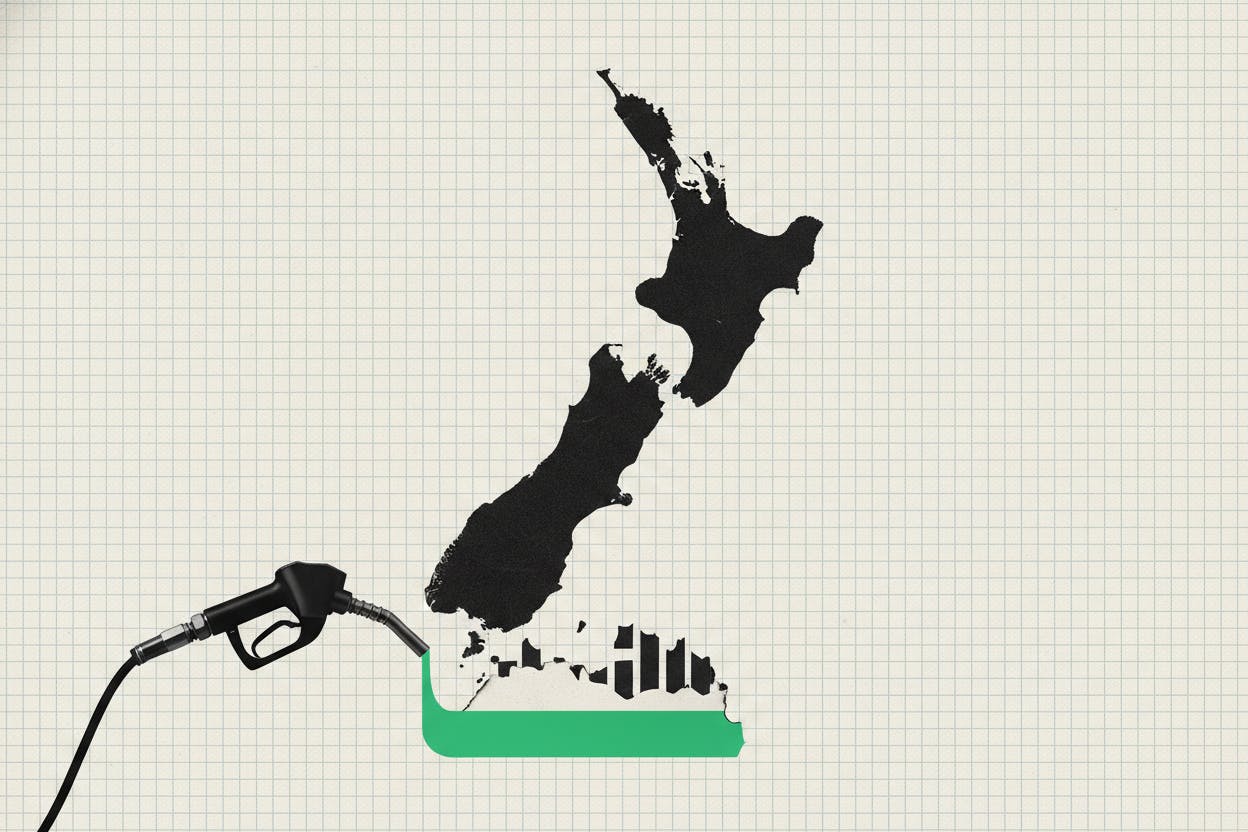
The main culprit behind the stubbornly high inflation was energy prices. Petrol jumped 27.5% year-on-year, while diesel surged a staggering 71.1%. Statistics New Zealand noted that without these fuel price increases, annual inflation would have been just 2.9% in the 12 months to June 30—within the RBNZ's target range.
On a quarterly basis, prices rose 1.5%, also slightly above what forecasters had predicted. The fuel spike isn't just a pain at the pump—it has broader implications. Higher transport and freight costs can ripple through the economy, pushing up prices for goods that rely on shipping and delivery. That's exactly the kind of second-round effect central bankers worry about when they assess inflation persistence.
What This Means for the RBNZ
The RBNZ has been battling inflation for over a year, raising interest rates aggressively to cool demand. While headline inflation has come down from its peak of 7.3% in mid-2022, the latest data suggests the path back to the target band remains bumpy. The central bank's next policy decision will be closely watched, as markets will be pricing in the possibility of further rate hikes if inflation doesn't ease soon.
Investors should note that New Zealand is not alone in facing sticky inflation driven by energy costs. Similar dynamics have played out in other economies, such as Canada, where inflation eased to 2.8% in June but core pressures remained persistent. The global oil market remains volatile, and any further spikes could complicate central banks' efforts to bring inflation under control.
Investor Implications
For everyday investors, the key takeaway is that inflation is still a force to be reckoned with in New Zealand. Higher interest rates could weigh on economic growth and corporate profits, particularly in rate-sensitive sectors like housing and consumer discretionary. On the flip side, energy stocks and commodities may benefit from sustained high oil prices.
Bond markets are also likely to react. If the RBNZ signals a more hawkish stance, treasury yields could climb as investors adjust their rate expectations. That would affect everything from mortgage rates to the valuation of growth stocks, which are more sensitive to higher discount rates.
Gold, often seen as a hedge against inflation, has also been influenced by oil-driven inflation fears. Recent data showed gold holding above $4,000 as investors weighed the risk of further rate hikes. While gold can provide some portfolio protection, it's not a guaranteed inflation hedge, especially in a rising rate environment.
What to Watch Next
Investors should keep an eye on the RBNZ's next monetary policy statement for clues on how the central bank plans to respond. Also watch for any signs that fuel price pressures are easing or spreading to other parts of the economy. The global oil market remains a wildcard, with geopolitical tensions and supply constraints keeping prices elevated.
For now, the message is clear: New Zealand's inflation fight is not over, and the road back to the target band may be longer than hoped. That means continued uncertainty for markets, and a need for investors to stay diversified and focused on the long term.