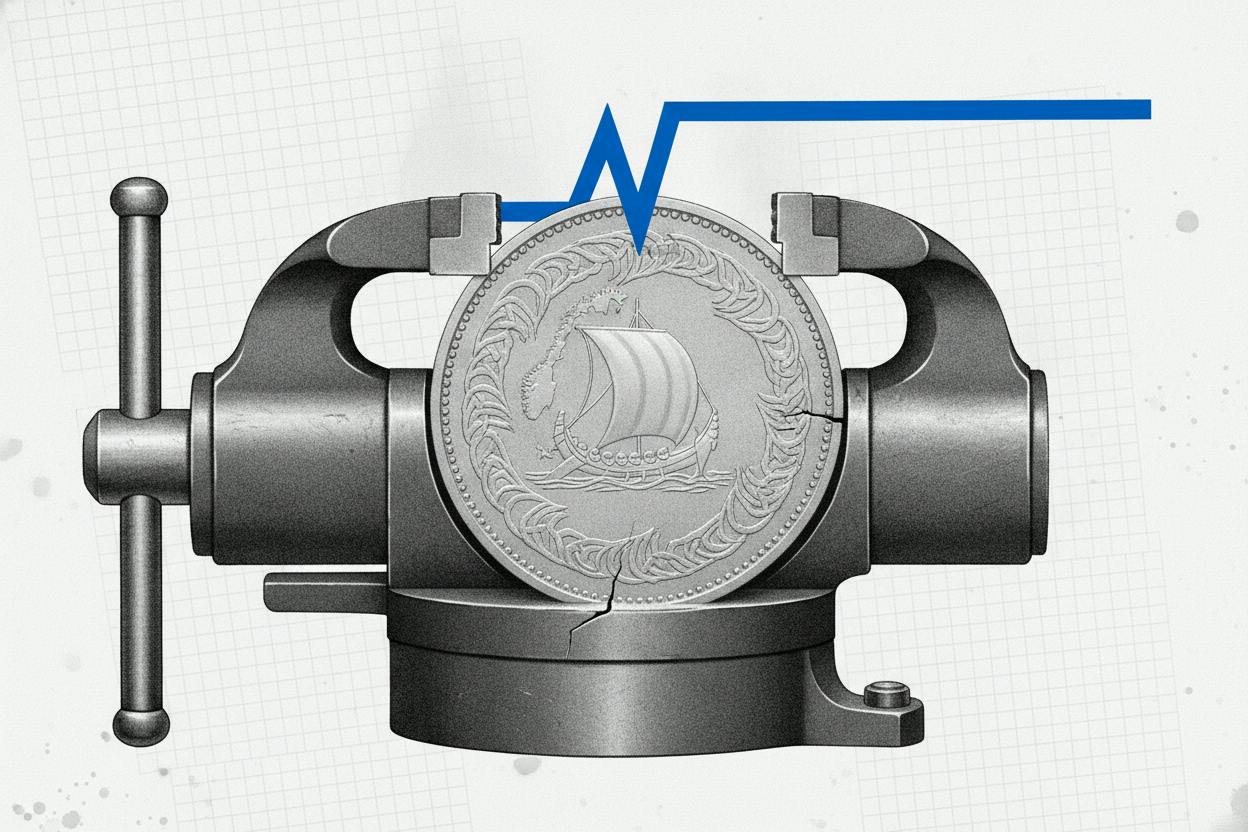
Norway's central bank, Norges Bank, kept its key policy rate at 4.50% on [date], a decision that was more finely balanced than the headline suggests. The bank also warned that it stands ready to raise rates again if inflation does not continue to cool toward its 2% target.
The decision comes after a period of aggressive tightening that has lifted borrowing costs across the Norwegian economy. The 4.50% rate is the result of a series of hikes, including a 25-basis-point increase at the previous meeting. Now, with inflation easing but still above target, the bank is signaling that it is not yet ready to declare victory.
Why the decision was a close call
Heading into the meeting, economists were divided. A Reuters poll showed a split between those who expected a hike and those who expected a hold. That uncertainty reflects the delicate balance Norges Bank is trying to strike: cool inflation without tipping the economy into a downturn.
Norway's underlying inflation has eased in recent months, but it remains above the central bank's 2% goal. Governor Ida Wolden Bache said rates will probably need to stay “elevated for a time,” and that the committee is “prepared” to tighten further if price pressures prove sticky.
This is a familiar story for central banks around the world. Many are wrestling with the same question: how long to keep rates high enough to tame inflation, without overdoing it and causing unnecessary economic pain. Norway's situation is unique in some ways—its oil and gas wealth gives the economy a cushion—but the core challenge is universal.
What this means for investors
For everyday investors, the key takeaway is that interest rates in Norway are likely to stay higher for longer than many had hoped. That has implications for a range of assets.
- Bonds: Higher rates typically push bond yields up and prices down. If Norges Bank hikes again, Norwegian government bonds could see further pressure.
- Stocks: Companies that rely heavily on borrowing, such as real estate and consumer discretionary firms, may face higher financing costs. On the other hand, banks often benefit from wider interest margins.
- Currency: A higher rate, or the expectation of one, can support the Norwegian krone. A stronger krone can affect exporters, making their goods more expensive abroad.
Most economists still believe 4.50% will end up being the peak of this cycle. But the central bank's hawkish tone suggests that the risk of another hike is real. Investors should watch upcoming inflation data closely—if it comes in hot, another increase becomes more likely.
Global context
Norway is not alone in this position. Central banks across the globe are grappling with similar decisions. For example, the Reserve Bank of Australia is expected to keep hiking despite a housing slump, and the Federal Reserve's rate path continues to weigh on stock markets. Even in Japan, where rates have been ultra-low for decades, bond yields are hitting multi-decade highs as global rates surge.
This global tightening cycle is a reminder that the era of cheap money is over, at least for now. For investors, that means being more selective about where to put money. High-quality companies with strong balance sheets and pricing power are often better positioned to weather higher rates than highly leveraged ones.
What to watch next
The next key data point will be Norway's inflation figures. If they show a clear downward trend, the central bank may be able to hold rates steady for the rest of the year. If not, another hike could be on the table.
Investors should also keep an eye on the krone. A weaker currency can import inflation, making it harder for Norges Bank to reach its target. Conversely, a stronger currency can help cool price pressures.
For now, the message from Oslo is clear: rates are high, and they are likely to stay high. That's a reality investors will need to factor into their decisions, whether they hold Norwegian assets or are simply watching the global rate picture.