Oil prices fell below $70 a barrel on Tuesday after Reuters reported that tanker traffic was picking up again through the Strait of Hormuz, easing fears of an immediate supply squeeze. The move marks a sharp reversal from recent weeks, when geopolitical tensions had pushed crude prices higher on worries that shipments through the critical waterway could be disrupted.
What Happened
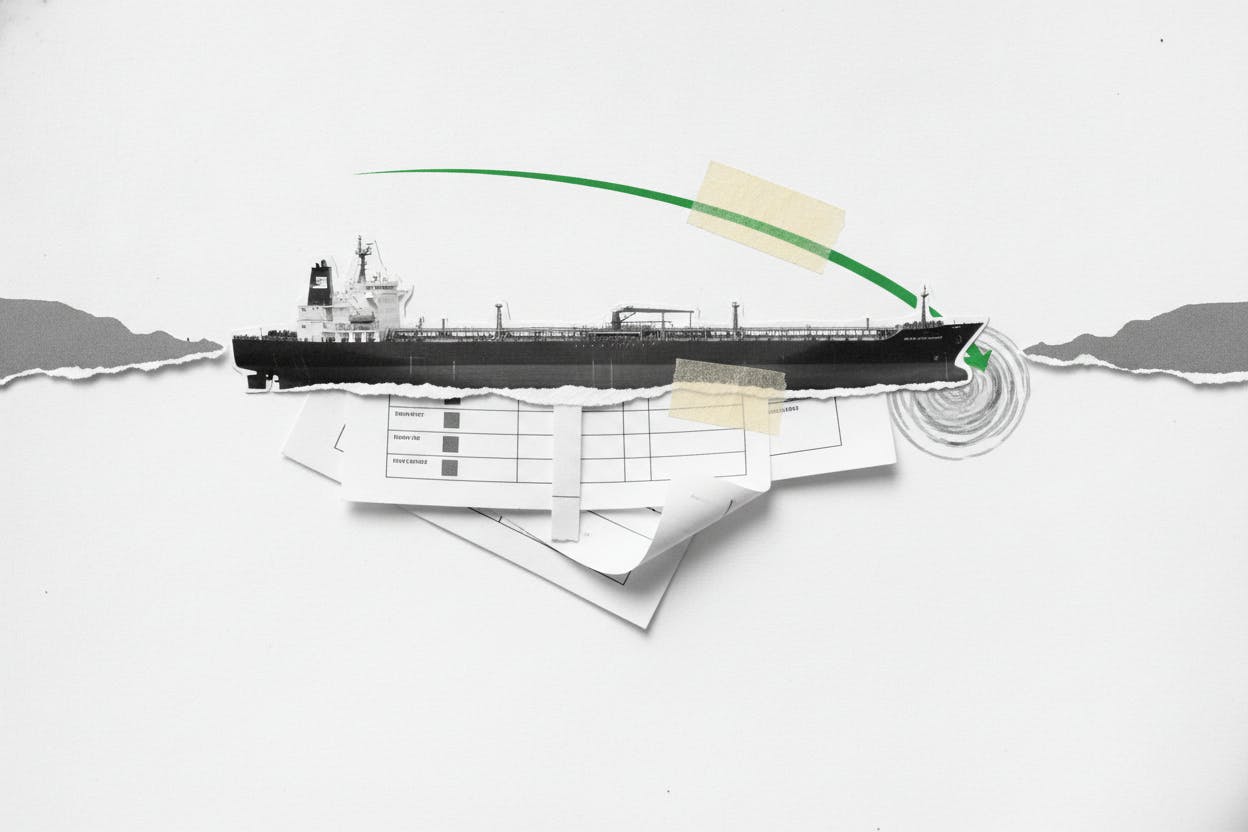
According to Reuters, three previously stranded tankers carrying about 5 million barrels of crude have now left the Strait of Hormuz. The resumption of shipping traffic has shifted market sentiment, with traders now treating the return of Iranian supply as a matter of weeks rather than months. This change is already showing up in physical markets: cargoes are clearing at discounts in several regions, a sign that buyers feel less urgency to pay a premium for immediate delivery.
The news comes as US crude inventories, which include commercial stocks and the Strategic Petroleum Reserve, fell to 743.3 million barrels—the lowest level since 1984. However, gasoline and distillate stockpiles rose, suggesting that the tightness is concentrated in crude supplies rather than refined products.
Why It Matters for Investors
For everyday investors, the key takeaway is that the oil market is rapidly repricing. When spot barrels sell at discounts and traders pull forward expectations of Iranian supply returning, it signals that today's tightness is easing. This often hits the futures curve first: the premium on near-term contracts shrinks, time spreads narrow, and the curve can flatten toward contango—a situation where later prices are higher than near ones.
A flatter curve changes behavior. It reduces the penalty for holding inventories and makes it less attractive for traders to bet on ongoing shortages by holding near-dated positions. So even with US crude stocks near a multi-decade low, the next signal to watch is whether time spreads keep weakening or snap back on fresh disruptions.
Investors should also keep an eye on energy stocks, which have tumbled as oil prices dropped. The broader market is now swinging away from a 'war risk' mindset toward a 'demand concern' one, which could pull prices down across the board as supply meets steady demand.
The Bigger Picture
The reopening of the Strait of Hormuz is a major shift in how the world's oil gets traded. On June 18th, 25 commercial vessels crossed the strait—the highest number since mid-April and a huge jump from the 'zero verified outbound movements' just 72 hours earlier. The surge in traffic tells you the market now treats Iranian supply as a 'weeks, not months' story, rather than a faraway risk.
This fits a wider trend: multinational companies are rethinking where they make their products to keep supply chains running smoothly, which softens the blow of geopolitical shocks. The oil market is now pricing in a more stable supply outlook, but the catch is that geopolitics can flip quickly. US-Iran messaging on nuclear inspections remains inconsistent, so a calmer shipping picture isn't the same as a settled deal.
For a deeper dive into how this affects energy stocks, see our earlier coverage: Oil Prices Slide as Tankers Clear Strait of Hormuz, US Authorizes Iranian Sales.
What to Watch Next
Investors should monitor two things. First, whether time spreads continue to weaken or snap back if new disruptions emerge. Second, the trajectory of US crude inventories—while they are at multi-decade lows, the rise in gasoline and distillate stockpiles suggests that the tightness may be easing. If the reopening of the strait proves temporary, prices could spike again. But for now, the market is betting on a more comfortable supply picture.
For context on how this fits into broader market moves, check out our report on New Zealand Stocks Edge Higher as Brent Crude Slips to $72.