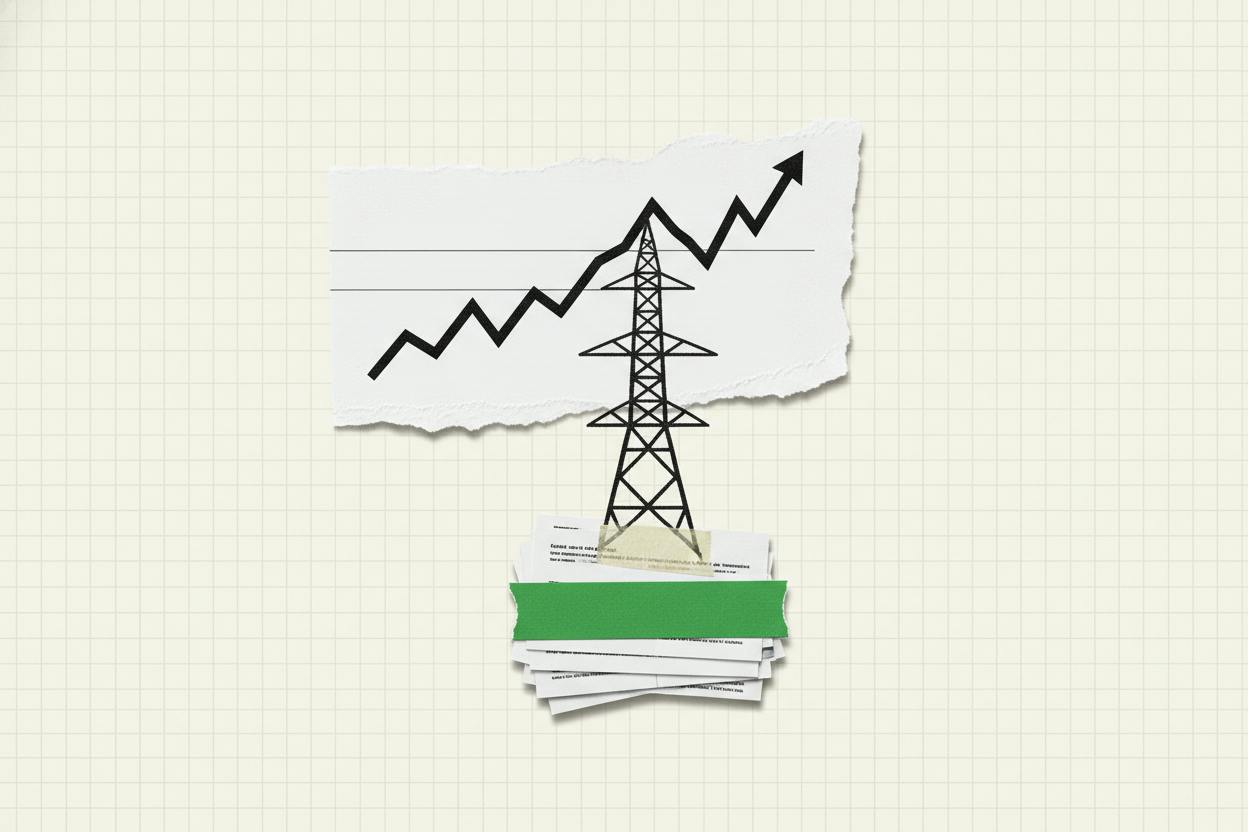
Oil prices surged about 6% on [day], with Brent crude briefly touching $109.97 a barrel, sending shockwaves through global markets. The jump, driven by escalating conflict risks near the Strait of Hormuz and other key shipping lanes, pushed government bond yields to fresh highs and knocked stock markets lower.
For everyday investors, the move is a reminder of how interconnected energy prices, inflation, and interest rates have become. When crude spikes, it raises the cost of fuel, transport, and goods, which can keep inflation stubbornly high. That, in turn, forces central banks to consider keeping interest rates elevated for longer to cool price pressures.
Why oil is climbing
The latest surge is tied to rising tensions in the Middle East, particularly around the Strait of Hormuz, a narrow waterway through which a significant share of the world's oil travels. Any threat to shipping there raises fears of supply disruptions, and markets are now pricing in a higher risk premium.
This isn't the first time oil has topped $100 in recent weeks. Tanker attacks near the strait have already stoked supply fears, and US-Iran tensions have kept the region on edge. The latest 6% jump suggests investors see the situation as increasingly precarious.
When oil prices climb this sharply, the immediate effect is on inflation expectations. Energy is a major input in almost everything, from gasoline to plastics to shipping costs. If oil stays elevated, it could push headline inflation higher, undoing some of the progress central banks have made in bringing it down.
Bond yields hit fresh highs
The bond market reacted swiftly. Government bond yields, which move inversely to prices, rose to new highs as investors adjusted their expectations for interest rates. In the UK, 10-year gilt yields hit 5.295%, the highest since 2007, as oil topped $100. Similar moves were seen across other major economies, with eurozone bond yields pausing near 15-year highs ahead of the European Central Bank's decision.
Higher bond yields are a double-edged sword. On one hand, they reflect expectations of stronger growth or higher inflation. On the other, they raise borrowing costs for governments, businesses, and consumers. For stock investors, higher yields make bonds more attractive relative to equities, which can weigh on stock prices.
What it means for investors
For the average investor, the key takeaway is that oil's rise is not just an energy story—it's a macro story. If oil stays above $100, it could mean:
- Higher inflation: Energy costs feed into consumer prices, potentially keeping inflation above central bank targets.
- Higher interest rates for longer: Central banks may need to keep rates elevated to combat inflation, which could slow economic growth.
- Pressure on stocks: Higher rates and inflation can squeeze corporate profit margins and make bonds more competitive with stocks.
Some sectors may benefit from higher oil prices, such as energy producers, but others—like airlines, shipping, and manufacturing—could see costs rise. UAE stocks diverged as Brent topped $100, reflecting the mixed impact across regions and industries.
Investors should also watch the currency impact. Higher oil prices can strengthen the US dollar, which puts pressure on emerging market currencies. The Ghana cedi and Uganda shilling have already faced fresh dollar pressure, and more could follow.
Looking ahead
The immediate focus will be on whether oil prices can hold above $100 and whether tensions in the Strait of Hormuz escalate further. Any disruption to shipping there could send prices even higher, with broader implications for global inflation and monetary policy.
Central banks, including the Federal Reserve and the European Central Bank, will be watching closely. If oil-driven inflation persists, they may be forced to keep rates higher for longer, which could weigh on economic growth and corporate earnings.
For now, the message from markets is clear: oil is back as a major driver of financial conditions, and investors should brace for more volatility in both bonds and stocks.