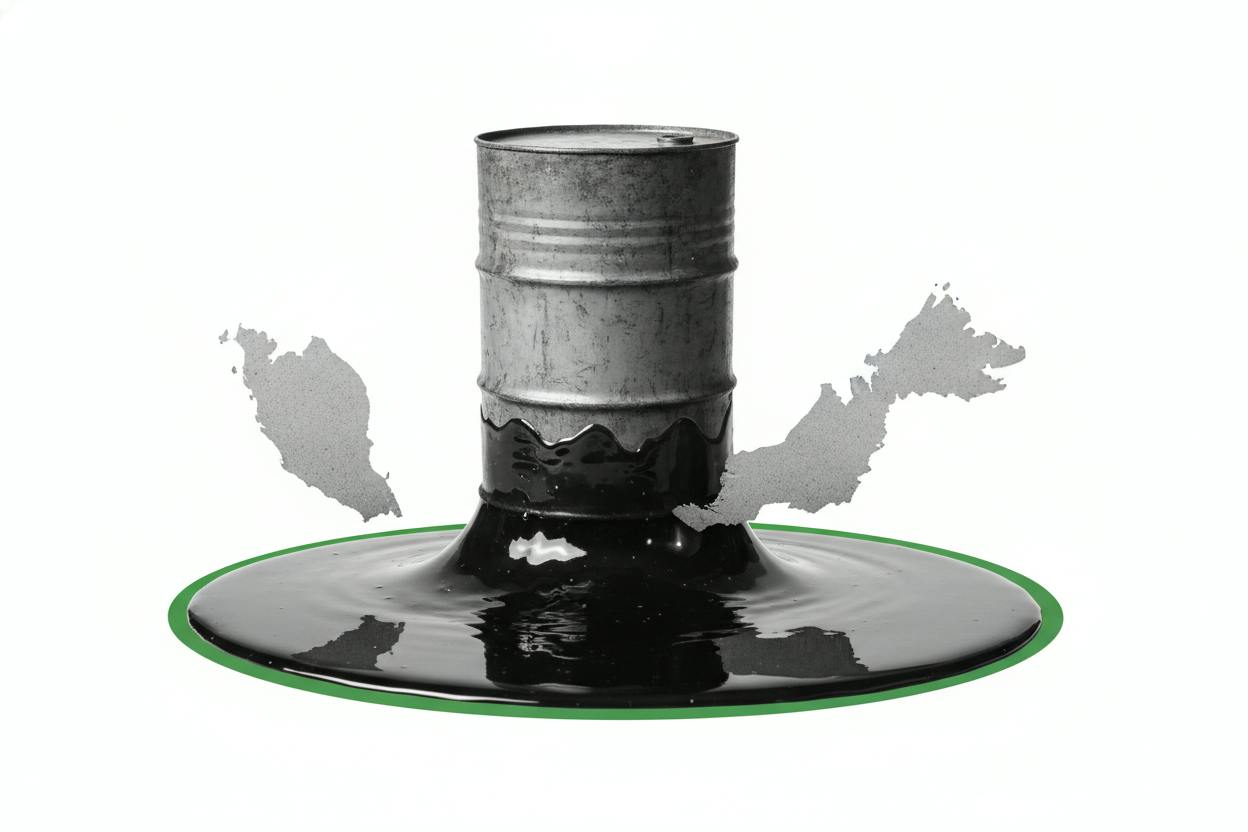
Malaysian palm oil futures edged higher again on Tuesday, extending a recent run of gains as rising crude oil prices and a softer ringgit provided support. The benchmark November contract on Bursa Malaysia Derivatives rose 0.45% to close at 4,872 ringgit per metric ton, according to Reuters.
The move comes amid a backdrop of elevated energy prices, with crude oil climbing after attacks on Saudi Arabian energy infrastructure left a key pipeline offline. That has kept supply-disruption worries front and center in the oil market, and those concerns are spilling over into the vegetable oils complex.
Why crude oil matters for palm oil
Palm oil and crude oil are more connected than many casual observers might think. The link runs through biodiesel. When petroleum diesel becomes more expensive, biodiesel becomes more competitive as an alternative fuel. Palm oil is a key feedstock for biodiesel, particularly in major producers like Indonesia and Malaysia, so traders tend to price in extra demand for palm oil when crude prices climb.
That dynamic has been a recurring theme in recent weeks. As Brent crude topped $107 amid shipping risks in the Red Sea, palm oil futures have repeatedly drawn strength from the energy complex. The current rally in crude, driven by the Saudi infrastructure attacks, is the latest example of that correlation playing out.
It's worth noting that the relationship isn't always one-to-one. Palm oil prices are also influenced by supply and demand fundamentals in the edible oils market, including weather conditions in Southeast Asia, export policies in Indonesia and Malaysia, and demand from major buyers like India and China. But when crude moves sharply, it often sets the tone for palm oil trading.
The ringgit factor
A softer ringgit also lent support to palm oil futures on Tuesday. Because palm oil is priced in ringgit, a weaker currency makes it cheaper for foreign buyers, potentially boosting demand. That can push prices higher in local currency terms even if the dollar-denominated price stays flat.
The ringgit has been under pressure as the US dollar has strengthened, partly on expectations that the Federal Reserve will keep interest rates higher for longer. That dynamic has been a recurring theme in global markets, with oil near $100 and Fed hike bets keeping pressure on risk assets and emerging market currencies.
For palm oil, a weaker ringgit is often seen as a mild positive, as it can stimulate export demand. But it also reflects broader economic conditions that can affect investor sentiment across commodities.
What it means for investors
For everyday investors, the move in palm oil futures is a reminder of how interconnected global markets are. Energy prices, currency movements, and agricultural commodities all feed into each other in ways that can affect everything from the cost of food to the performance of companies that use palm oil as an input.
Palm oil is used in a wide range of products, from cooking oil and margarine to cosmetics and cleaning agents. When palm oil prices rise, companies that rely on it as a raw material may see their profit margins squeezed, unless they can pass on the higher costs to consumers. That could show up in higher grocery bills or in the earnings reports of consumer goods companies.
On the other hand, higher palm oil prices can be a boon for producers and exporters, particularly in Malaysia and Indonesia, which account for the vast majority of global palm oil production. Plantation companies listed on stock exchanges in those countries, as well as in Singapore and elsewhere, could see their shares benefit from a sustained rally in palm oil prices.
Investors should also keep an eye on the broader energy market. If crude oil continues to climb, palm oil could keep riding that wave. But if oil prices reverse, palm oil could quickly give back its gains, as it has done in the past.
The recent crude rally boosting biodiesel appeal is a key factor to watch. Any further escalation in the Middle East or disruptions to oil supply could push crude higher, with knock-on effects for palm oil. Conversely, a de-escalation or a drop in oil prices could remove that support.
For now, the market is focused on the immediate drivers: crude oil prices, the ringgit's trajectory, and the ongoing supply situation in the energy sector. As crude nears $100 and the ringgit weakens, palm oil futures are likely to remain sensitive to those forces.
It's also worth remembering that palm oil is a volatile commodity, and futures trading involves significant risk. For most everyday investors, the direct impact of palm oil futures is likely to be felt through the prices of goods they buy, rather than through direct trading. But understanding the dynamics can help make sense of market headlines and the broader economic picture.
As always, it's important to consider your own financial situation and risk tolerance before making any investment decisions. This article is for informational purposes only and does not constitute financial advice.