Poland's central bank has revised its inflation outlook upward, citing an energy price shock and a weaker domestic currency that are making imported fuel and energy more expensive. Despite the higher path, the bank's governor has kept the door open to a possible interest rate cut later this year.
What the NBP's New Forecast Shows
The National Bank of Poland (NBP) now expects consumer price inflation to average 2.9% this year, before easing to 2.7% in 2027 and 2.2% in 2028. That is a slightly higher trajectory than the bank projected in March, reflecting fresh pressures from global energy markets and currency movements.
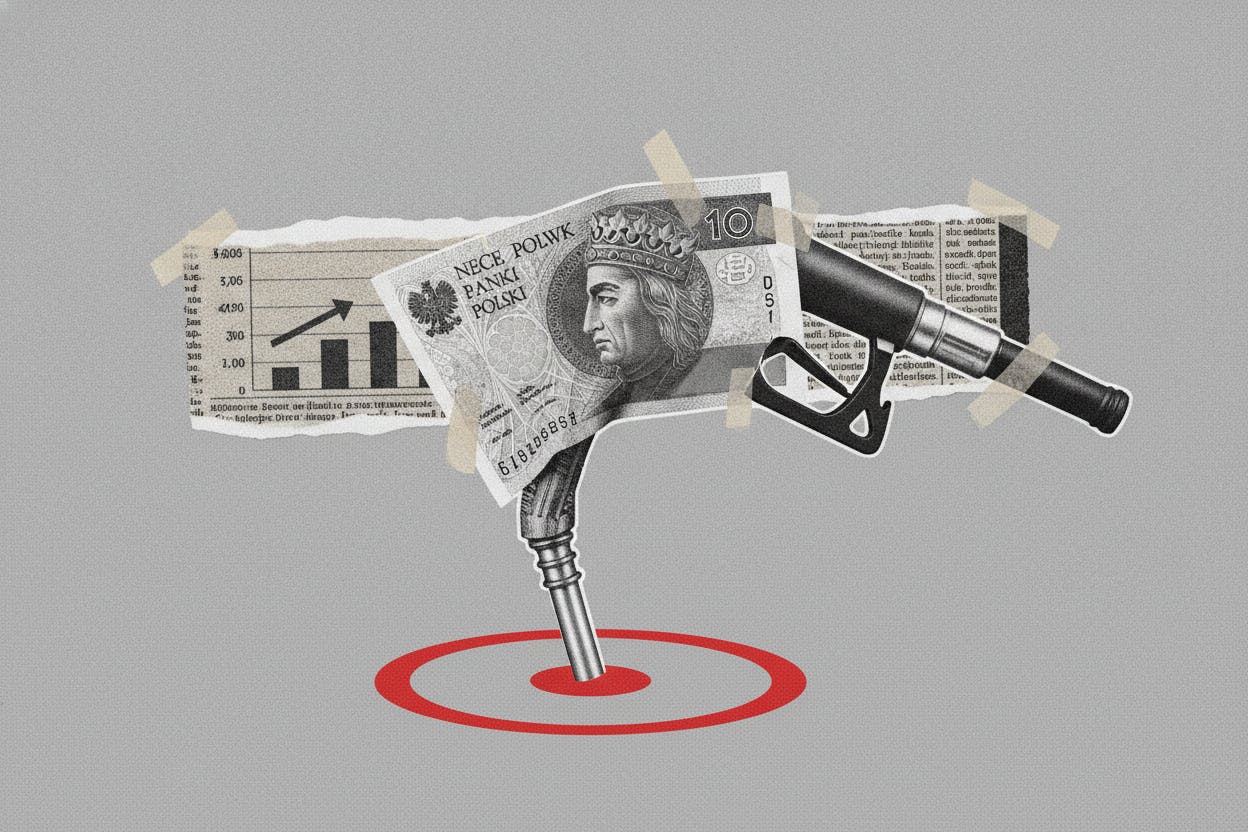
The bank attributed the revision to two main forces: disruptions in oil markets linked to the ongoing conflict in the Middle East, and a softer zloty, which raises the cost of imported fuel and energy. These factors have pushed up household energy bills and transportation costs, feeding into the broader inflation picture.
At the same time, the NBP trimmed its growth forecast slightly, acknowledging that the same headwinds could weigh on economic activity. The conflict's trajectory remains a key uncertainty for both inflation and growth.
Governor Hints at a Possible Rate Cut
Despite the higher inflation forecast, NBP Governor Adam Glapinski surprised markets by floating the possibility of a 25 basis-point interest rate cut after the summer. That would bring the main policy rate down from its current level, which stands at 5.75%.
Glapinski's comment suggests the central bank sees the current inflation spike as temporary and expects price pressures to fade enough to allow for looser policy later in the year. However, the bank has not committed to any specific timing, and the decision will depend on incoming data.
The governor's hint comes at a time when several central banks around the world are grappling with similar dilemmas. For example, Mexico's inflation dropped to 3.37% in June, easing pressure on Banxico to cut rates, while Peru held its rate at 4.25% for the tenth straight meeting as inflation risks linger. In Asia, Japan's wholesale inflation accelerated in June, raising the prospect of further rate hikes there.
What This Means for Investors
For everyday investors, the NBP's revised forecast and the governor's rate-cut hint create a mixed picture. On one hand, higher inflation erodes the real return on savings and fixed-income investments. On the other, a potential rate cut could lower borrowing costs for businesses and consumers, potentially boosting economic activity and corporate earnings.
Investors holding Polish government bonds should watch the central bank's next moves closely. If the NBP does cut rates, bond prices typically rise, but inflation expectations could also push yields higher. The zloty's weakness adds another layer of complexity for those with exposure to Polish assets, as a softer currency can boost export competitiveness but also raise import costs.
For equity investors, sectors sensitive to domestic demand, such as retail and construction, could benefit from lower rates. However, energy-intensive industries may face continued margin pressure from higher fuel costs. The broader lesson is that Poland's inflation story is far from settled, and the central bank is walking a tightrope between supporting growth and containing price pressures.
Broader Context: Central Banks in a Tight Spot
The NBP's situation is not unique. Central banks across emerging and developed economies are wrestling with stubborn inflation, geopolitical shocks, and currency volatility. The energy price spike from the Middle East conflict has added a new layer of uncertainty, forcing many to revise their forecasts upward.
Poland's experience also echoes that of other countries where inflation has proven stickier than expected. Taiwan's central bank recently raised its 2026 inflation forecast after a Q2 CPI overshoot, while Egypt's central bank held rates as inflation signals diverged.
The key takeaway for investors is that inflation remains a global challenge, and central bank policies will continue to diverge based on local conditions. Poland's potential rate cut would mark a shift toward easing, but it is conditional on inflation staying within the target range.
What to Watch Next
Investors should monitor upcoming inflation data from Poland, as well as developments in global energy markets and the zloty's exchange rate. The NBP's next policy meeting will be closely watched for any change in tone or action. If the energy shock fades and the currency stabilizes, the case for a rate cut will strengthen. If not, the bank may have to hold steady or even consider tightening.
For now, the NBP is signaling that it sees light at the end of the tunnel, but the path remains uncertain. Everyday investors would do well to stay informed and avoid making big bets based on a single hint from a central banker.