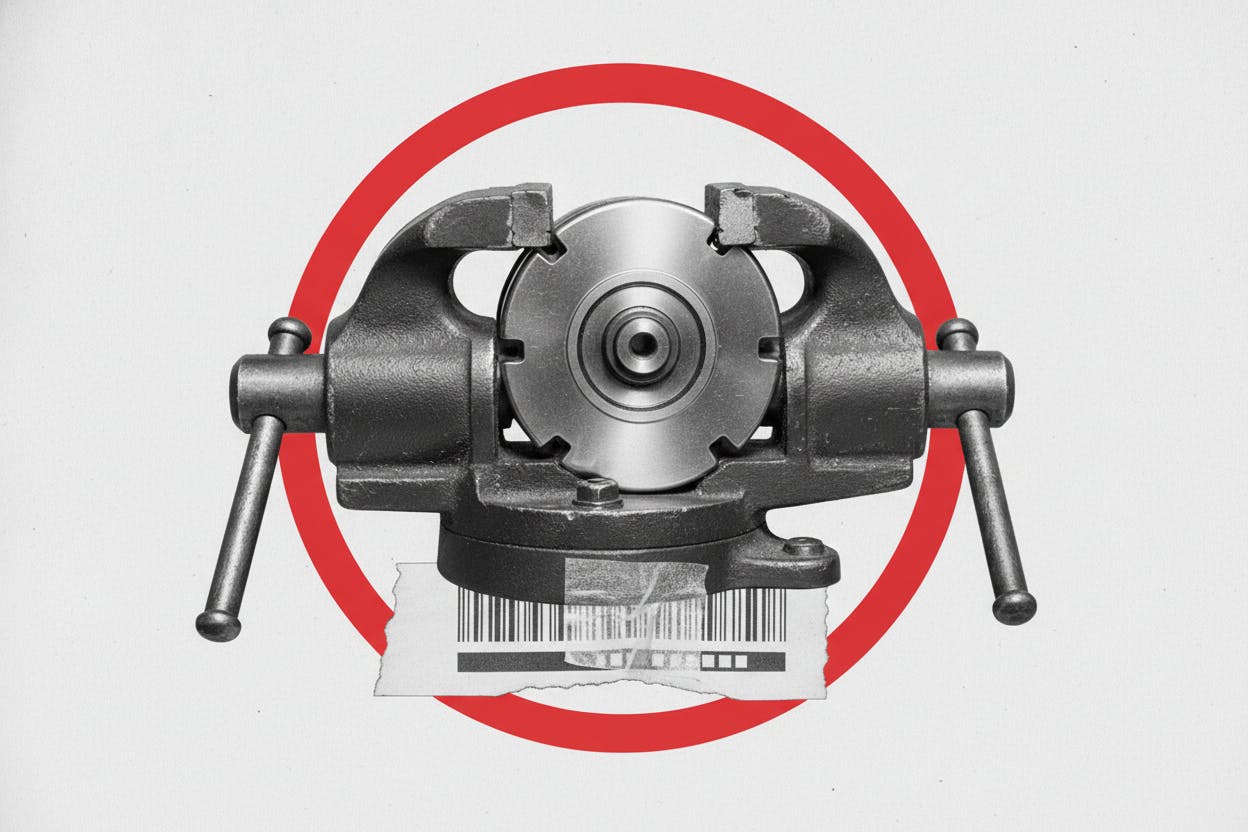
Japanese manufacturers are grappling with a sharp increase in the cost of rare earth materials, a critical input for everything from electric motors to sensors. A survey by Nikkei, based on data from supply chain firm Resilire, found that procurement costs for these materials rose an average of 22% over the past year. The jump is largely attributed to China tightening its export controls on rare earths, which are essential for high-tech manufacturing.
What Are Rare Earths and Why Do They Matter?
Rare earth elements are a group of 17 metals used in small quantities but with outsized importance. They are found in magnets for electric vehicle motors, wind turbines, hard drives, and consumer electronics like smartphones. They are also critical for defense technologies and advanced robotics, a sector where Japan is investing heavily—as seen in our coverage of Japan's $2.4 billion bet on humanoid robots.
China dominates global rare earth production and processing, controlling roughly 60% of mining and 90% of refining. This gives Beijing significant leverage over supply, and recent export restrictions have sent prices higher. The Nikkei survey of 400 Japanese manufacturers found the impact was widespread: about a third of companies reported cost increases of 20% to 29%, while roughly a fifth saw rises of 10% to 19%.
How Companies Are Responding
The survey reveals a troubling picture for corporate profitability. Only a small fraction of manufacturers said they could pass most of the higher costs on to customers. Instead, more than 40% absorbed over half of the increase themselves, and over 10% could not pass on any of the cost at all. This is a classic margin squeeze scenario, especially in competitive markets where raising prices risks losing orders.
Some companies may try to mitigate the impact by redesigning products to use fewer rare earths, switching to alternative materials, or negotiating longer-term supply contracts. But these are slow fixes. In the near term, the pressure is likely to show up in weaker gross margins and more cautious earnings guidance. This dynamic is reminiscent of other supply chain shocks, such as those seen during the Strait of Hormuz tensions, which led to hedge funds betting against manufacturers.
What It Means for Investors
For investors, the 22% rare earth cost jump is a margin story before it is a pricing story. When input costs rise and pass-through is limited, the first impact is typically on profitability. Companies that rely heavily on rare earths—such as those in the automotive, electronics, and robotics sectors—may see their earnings forecasts come under pressure. Japan's robotics giants, like Fanuc and Yaskawa, which are being courted by Nvidia for AI applications (as reported in Nvidia courts Japan's robot giants), could be particularly exposed.
If companies cannot fully offset the cost shock, the pressure may eventually feed into consumer prices as gradual "catch-up" increases. This could contribute to a stickier form of goods inflation, rather than a one-off spike. Such a scenario would be closely watched by the Bank of Japan, especially as other inflation risks, like rising oil prices, have already caused Japan's long bonds to wobble.
Investors should monitor how manufacturers address this challenge. Those with pricing power or diversified supply chains may fare better, while others could see their margins erode. The broader market, including the Nikkei, has already shown sensitivity to cost pressures, as seen in recent chip stock declines despite strong earnings.
The Bigger Picture
The rare earth cost increase is part of a larger trend of supply chain disruptions and geopolitical tensions affecting global manufacturing. Japan, as a major producer of high-tech goods, is particularly vulnerable. The country's efforts to secure alternative sources and develop recycling technologies may help in the long run, but for now, the immediate impact is a squeeze on corporate profits and a potential headwind for the broader economy.
As always, investors should stay informed about how these dynamics evolve. The next few quarters will reveal whether Japanese manufacturers can adapt or whether the cost pressures will lead to more significant market movements.



