India's central bank is considering new rules that would restrict private equity (PE) firms from holding controlling stakes in more than one non-bank lender, a move that could reshape the ownership structure of the country's shadow banking sector.
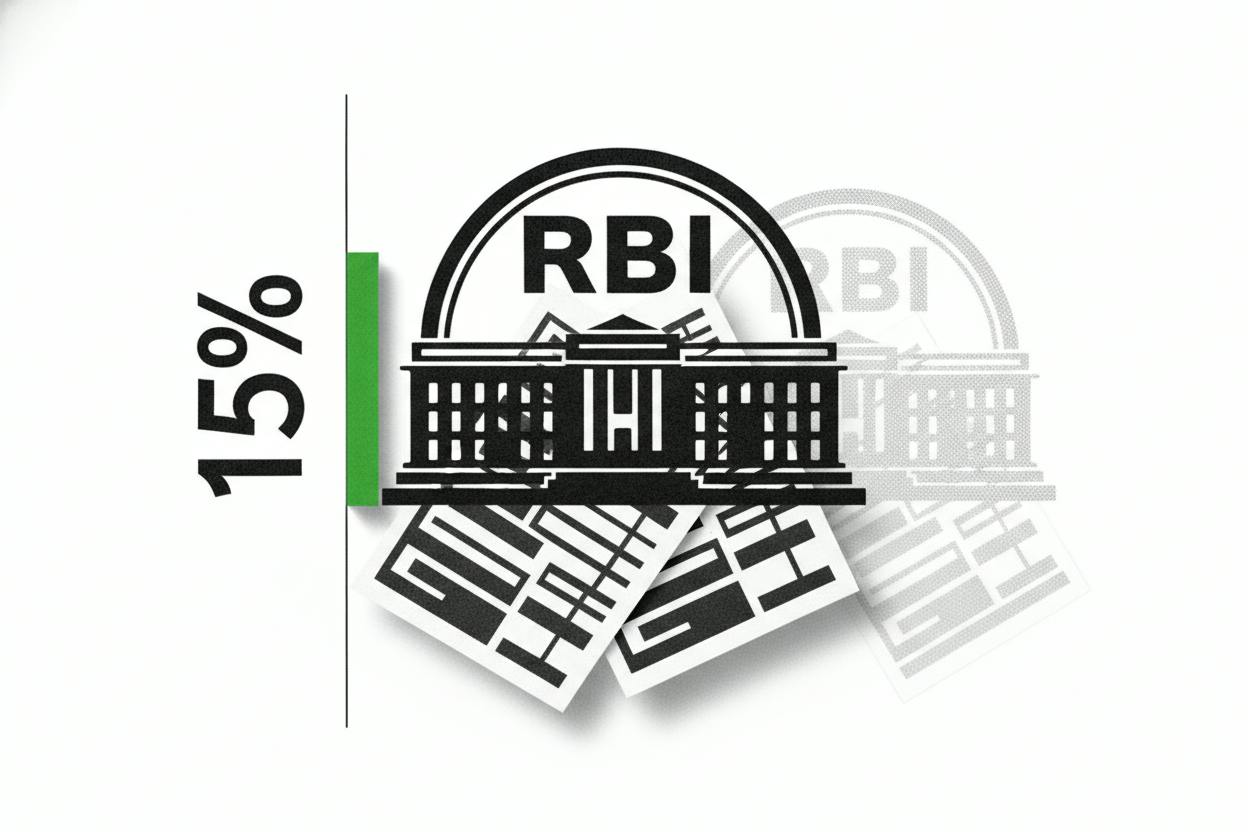
The Reserve Bank of India (RBI) is reportedly weighing a proposal that would prevent PE firms from having control over multiple non-bank financial companies (NBFCs), while also encouraging them to keep their stakes at 15% or less. The idea is to limit the influence any single investor can have over the sector, which plays a crucial role in providing credit to millions of Indians.
Why the RBI is stepping in
The RBI's concern is rooted in financial stability. If a large PE group or its affiliates runs into trouble, the stress could quickly spread across all the NBFCs it controls, turning an investor-specific problem into a broader credit crisis. NBFCs are not banks, but they lend money to individuals and businesses, often in areas where traditional banks are less active. A failure in this sector could have ripple effects on the wider economy.
In India, 'control' is not just about owning a majority stake. Even a smaller shareholding can be considered controlling if it comes with rights such as appointing directors or shaping key policies. The proposed rule would likely target such arrangements, forcing PE firms to choose between having a significant say in one NBFC or taking a more passive, minority role in several.
The 15% threshold is notable because it is often seen as the line between a passive investment and one that gives an investor meaningful influence. By nudging PE firms toward stakes of 15% or less, the RBI would be signaling that it wants these investors to act more like financial backers than operators.
What this means for the sector
Private equity has been a major source of capital for India's NBFCs, which have grown rapidly in recent years. Many of these firms have used PE money to expand their lending books, especially in areas like microfinance, consumer loans, and small business credit. If the RBI's proposal becomes reality, it could slow down that flow of capital, as PE firms may be less willing to invest if they cannot have a controlling hand.
At the same time, the rule could encourage consolidation. PE firms that already control multiple NBFCs might be forced to sell some of their holdings, potentially opening the door for new investors or for existing players to expand. This could lead to a more concentrated but potentially more stable sector.
The RBI's move is part of a broader effort to tighten oversight of the shadow banking industry, which has faced several high-profile failures in recent years. The central bank has been pushing for better governance and risk management across NBFCs, and this proposal would be another step in that direction.
What it means for investors
For everyday investors, the key takeaway is that the RBI is trying to make the financial system safer. If the rules go through, it could reduce the risk of a sudden collapse in a major NBFC, which would be good news for anyone with money in bank deposits, mutual funds, or even directly in NBFC stocks.
However, there could be short-term volatility. PE firms that are forced to reduce their stakes might sell shares, putting pressure on NBFC stock prices. Investors should watch for any announcements from the RBI and pay attention to how individual companies respond.
The proposal is still in the discussion stage, and the RBI has not yet issued a formal draft. It is likely to seek feedback from industry participants before finalizing any rules. That means there is still time for the details to change, and for the industry to lobby for a softer approach.
In the meantime, investors should keep an eye on the broader Indian financial sector, which has been attracting strong interest from foreign investors. The Indian stock market has been buoyed by foreign buying, and any regulatory changes could affect sentiment. Also, the recent MSCI index review boosted India's weight, which could bring more global money into the country's financial stocks.
For those holding NBFC shares, the key is to stay informed. The RBI's proposal is a reminder that regulation can change the investment landscape quickly. As always, diversification and a long-term view are your best defenses against uncertainty.