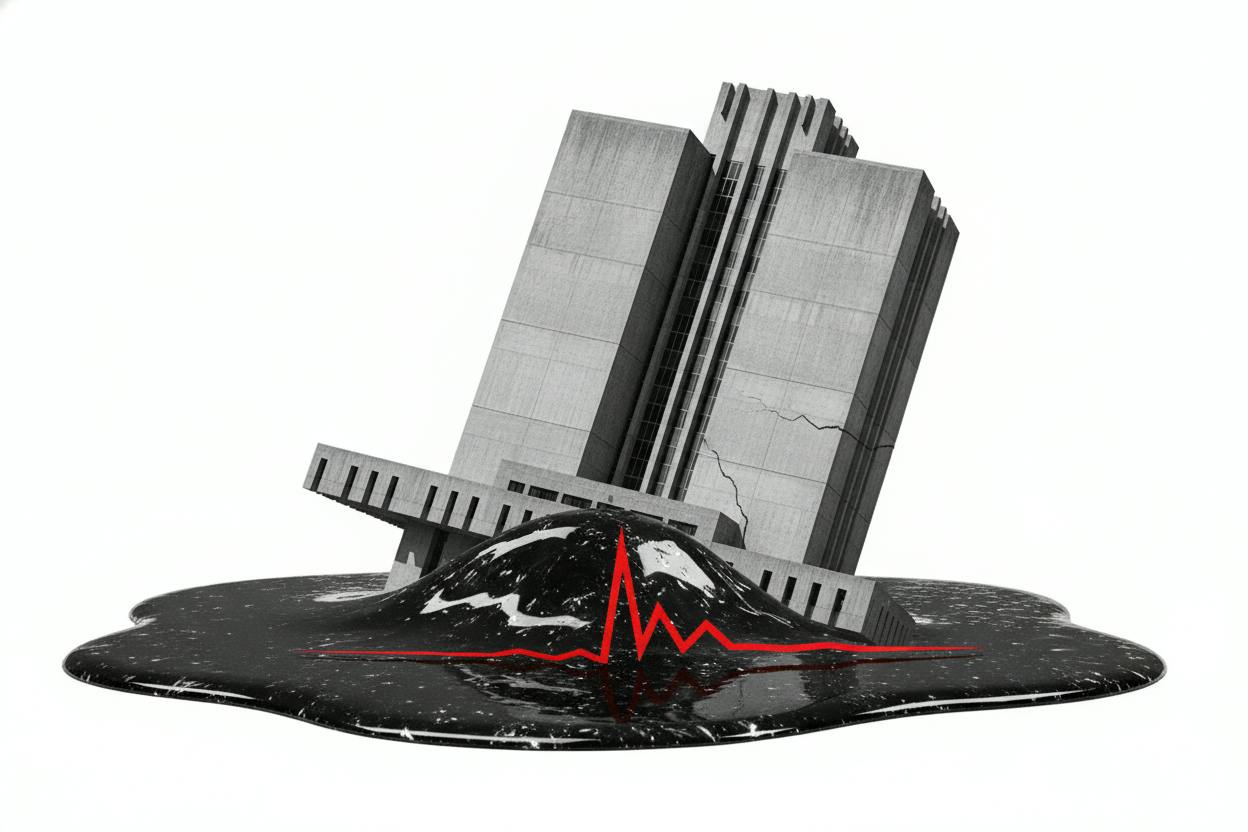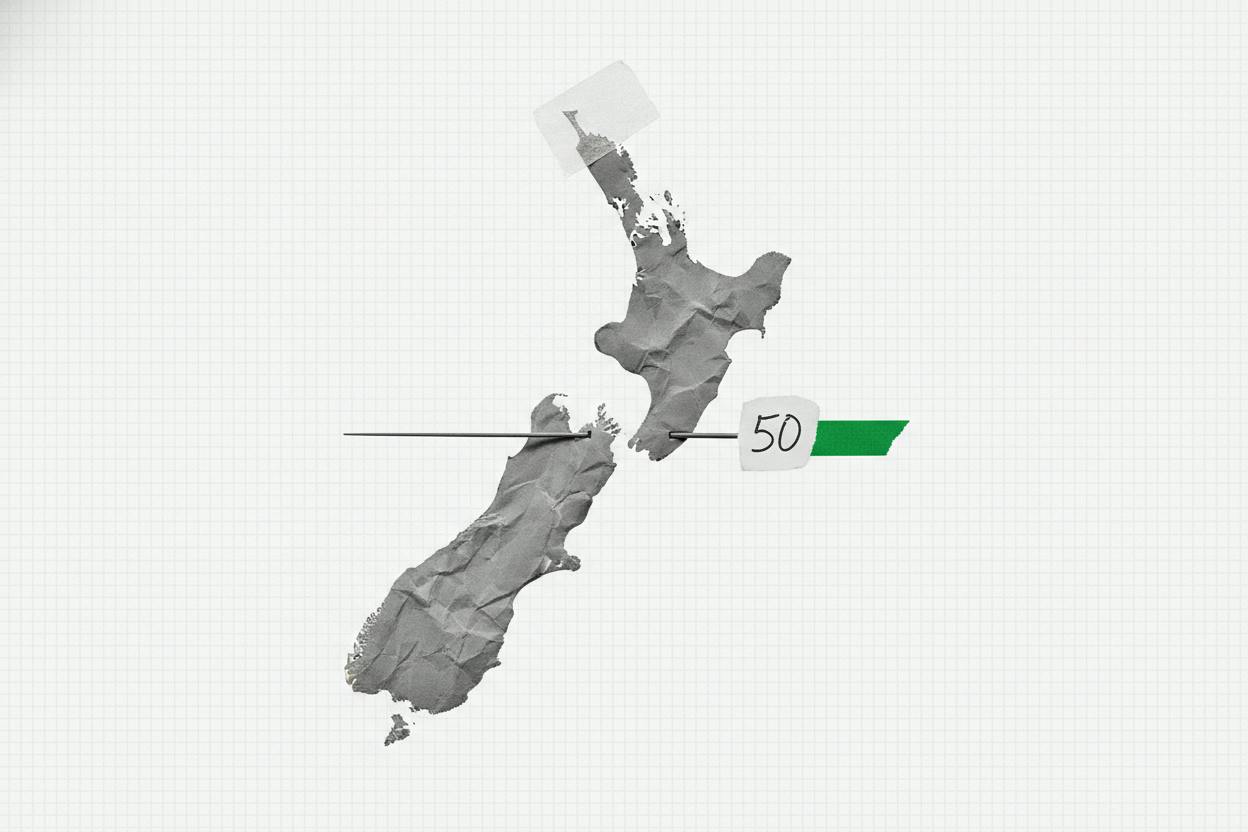
The Reserve Bank of New Zealand (RBNZ) delivered a widely expected quarter-point rate hike on Wednesday, lifting its official cash rate to 2.75%. But the central bank struck a notably cautious tone, saying any further increases would be gradual as it weighs what it called “significant downside risks” to the economy.
The decision marks the latest step in a global cycle of monetary tightening, as central banks from Washington to Wellington grapple with inflation that has proven stickier than many hoped. For New Zealand, the challenge is balancing the need to cool price pressures against the risk of stalling an economy that is already showing signs of strain.
What the RBNZ did and why
The 25-basis-point increase was in line with market expectations, and the accompanying statement offered little in the way of surprises. The bank noted that inflation remains above its 2% midpoint target, and that some economic activity has shown signs of improvement. But it also flagged that the outlook is clouded by “significant downside risks,” a phrase that suggests policymakers are wary of overtightening.
The key detail for markets was the updated forecast track for the official cash rate. The RBNZ left its projected path almost unchanged, penciling in a peak of around 2.81%. That implies only one more modest hike—or possibly none—before the tightening cycle comes to a halt. In effect, the bank is signaling that it wants to keep the brakes on, but not slam them.
This is a delicate balancing act. Raise rates too aggressively and you risk tipping the economy into recession and pushing unemployment sharply higher. Raise them too slowly and inflation could become entrenched, forcing even more painful action later. The RBNZ’s language suggests it believes the current pace is about right, and that further moves will be data-dependent.
Why this matters for investors
For everyday investors, the RBNZ’s decision is a reminder that central bank policy remains the single biggest driver of asset prices. When rates rise, borrowing costs go up, which tends to weigh on housing, consumer spending, and corporate profits. Higher rates also make bonds more attractive relative to stocks, which can put pressure on equity valuations.
New Zealand’s rate path is also closely watched by global investors because it is often seen as a bellwether for other small, open economies. The RBNZ was among the first central banks to start hiking in this cycle, and its willingness to pause or slow down could signal that other central banks, including the U.S. Federal Reserve, may also be nearing the end of their tightening campaigns.
Indeed, the Fed has been wrestling with similar questions. A senior Fed official recently warned that rates may need to rise further if inflation stays sticky, underscoring the uncertainty that still surrounds the global outlook.
For investors with exposure to New Zealand assets—whether through kiwi dollar holdings, local bonds, or stocks—the key takeaway is that the central bank is now in a “wait and see” mode. That could mean a period of relative stability for interest rates, but it also leaves the economy vulnerable to shocks, as recent weakness in New Zealand stocks has shown.
What to watch next
The RBNZ’s next move will depend heavily on incoming data. Inflation figures, employment numbers, and housing market trends will all be scrutinized for signs that price pressures are easing or that the economy is slowing more sharply than expected. The bank has made clear it is prepared to act if needed, but it is equally prepared to hold steady if the data warrants.
For investors, the broader lesson is that central banks are navigating a narrow path. The era of ultra-low rates is over, but the era of aggressive hikes may also be drawing to a close. That means portfolio decisions should be made with an eye toward resilience, rather than betting on a single direction for rates.
As always, it’s important to remember that central bank decisions are just one piece of the puzzle. Corporate earnings, geopolitical events, and shifts in consumer behavior all play a role in shaping market outcomes. But for now, the RBNZ’s cautious tone is a signal that the global tightening cycle may be losing momentum—and that could have implications far beyond New Zealand’s shores.