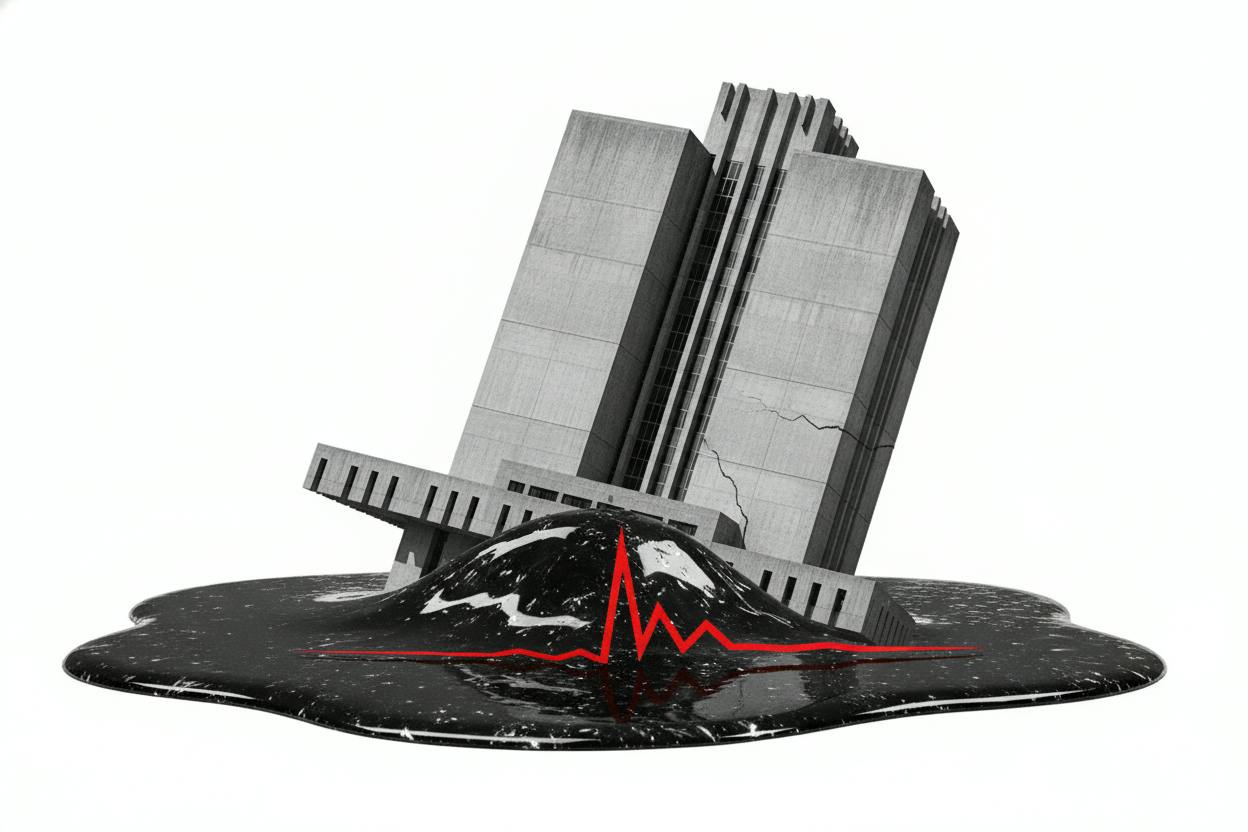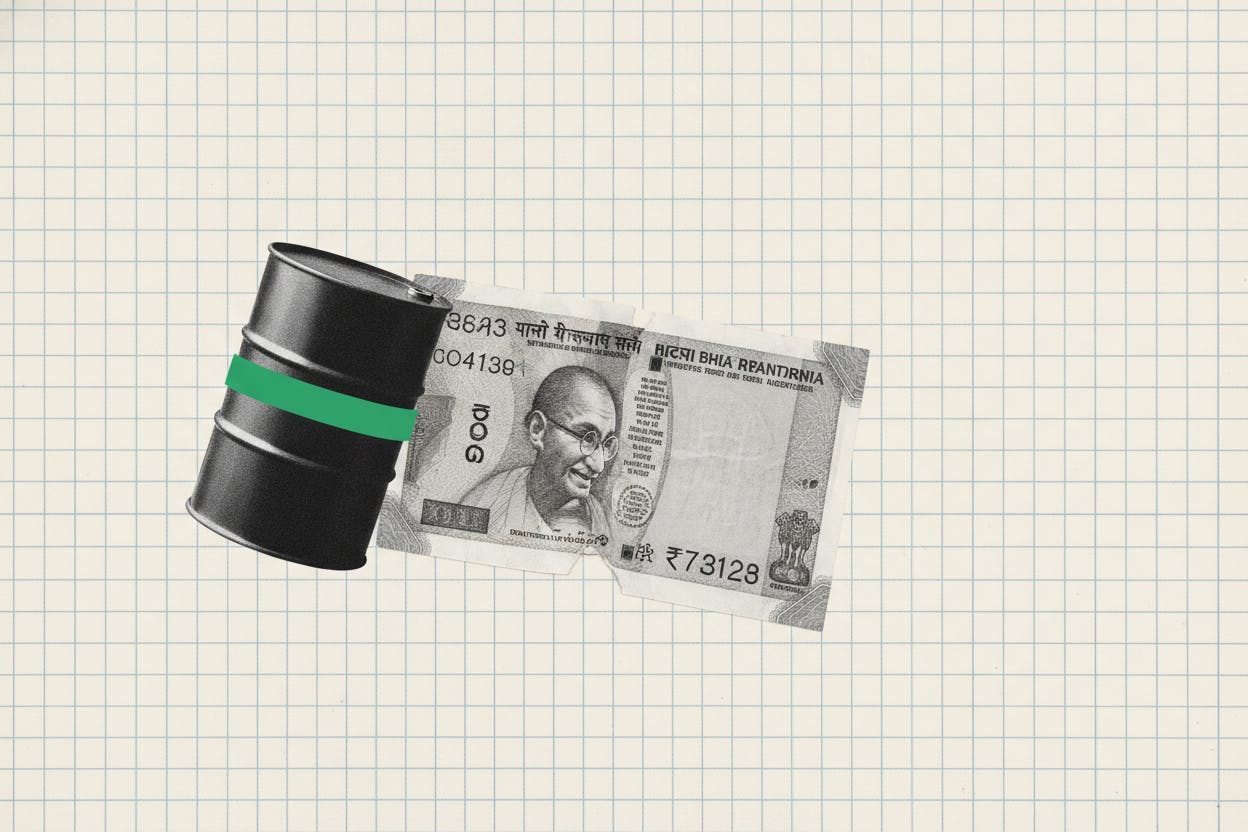
The Indian rupee slid through the closely watched 96-per-dollar level on Tuesday, as crude oil prices climbed to a one-month high following the United States' decision to reinstate a naval blockade on Iranian shipping through the Strait of Hormuz, according to Reuters.
The currency's decline reflects a familiar vulnerability for the world's third-largest oil consumer: India imports nearly 90% of its crude oil, so any spike in global energy prices quickly translates into a higher dollar demand. That, in turn, widens the country's current-account deficit—the broadest measure of trade in goods and services—and puts downward pressure on the rupee.
Oil Shock Hits Broader Markets
The ripple effects extended beyond the currency market. India's benchmark Nifty 50 stock index fell 0.5%, while the yield on the 10-year government bond rose, as investors priced in the risk of higher inflation and the possibility that the central bank may need to raise interest rates to defend the rupee.
Higher oil prices feed directly into India's consumer price index, since fuel costs affect everything from transportation to food production. A weaker rupee compounds the problem by making imported goods more expensive in local currency terms.
This latest move comes after the rupee had rallied in June to around 94.15 per dollar, supported by government measures designed to attract foreign capital. Those steps included incentives for foreign-currency deposits and tax breaks for overseas buyers of Indian government debt, as well as a temporary ceasefire that improved sentiment. But once those tailwinds faded, the currency drifted in a 94.50–95.50 range until renewed Middle East tension pushed oil prices higher again.
Global Pressure, Not Local Fixes
DBS, a Singapore-based bank, warned that oil could remain volatile and elevated, keeping pressure on what it called "oil-sensitive" Asian currencies. A stronger US dollar—often driven by expectations of higher American interest rates—can add another layer of strain just as India's import bill is rising.
ANZ economist Dhiraj Nim argued that this episode looks different from 2013, when India faced a similar currency crisis. Back then, the pressure was largely homegrown, driven by domestic policy missteps that policymakers could directly address. Today, the pressure is global: tighter dollar conditions combined with a jump in imported energy costs. Measures that encourage inflows may steady nerves, but they rarely change the big picture.
"Unlike 2013, India can't policy-fix an $84.8 oil shock on its own," Nim said, referring to the current price level.
What It Means for Investors
For everyday investors, the rupee's slide past 96 per dollar matters beyond India's borders. The currency often trades as part of a broader "oil-sensitive Asia" basket alongside Indonesia's rupiah and Thailand's baht. When oil surges, all three tend to weaken together, which can create wider trading ranges and higher costs for hedging currency risk.
Investors holding Indian stocks or bonds should be aware that a weaker rupee can reduce the dollar-denominated returns on those assets. For example, if the rupee falls 2% against the dollar, a US-based investor in Indian equities would see their returns reduced by that same amount, even if the local stock price stays flat.
On the flip side, companies that earn revenue in dollars—such as IT services firms—can benefit from a weaker rupee, since their export earnings become more valuable in local currency terms. That dynamic was evident in recent earnings reports, as seen in LTTS's revenue rise of 11.5%, where a weaker rupee helped offset a tech spending slowdown.
The broader oil story remains the key variable. The US blockade on Iranian shipping through the Strait of Hormuz—a chokepoint through which about 20% of the world's oil passes—has already sent crude prices surging. Oil jumped 9.7% on the initial announcement, and further gains could keep the rupee under pressure.
India's government has said its current measures should be enough to cover a projected balance-of-payments gap through the fiscal year ending March 2027. But as Tuesday's move showed, global forces can quickly overwhelm local policy efforts. Investors should watch oil prices, the dollar index, and any further US actions in the Middle East for clues on where the rupee heads next.