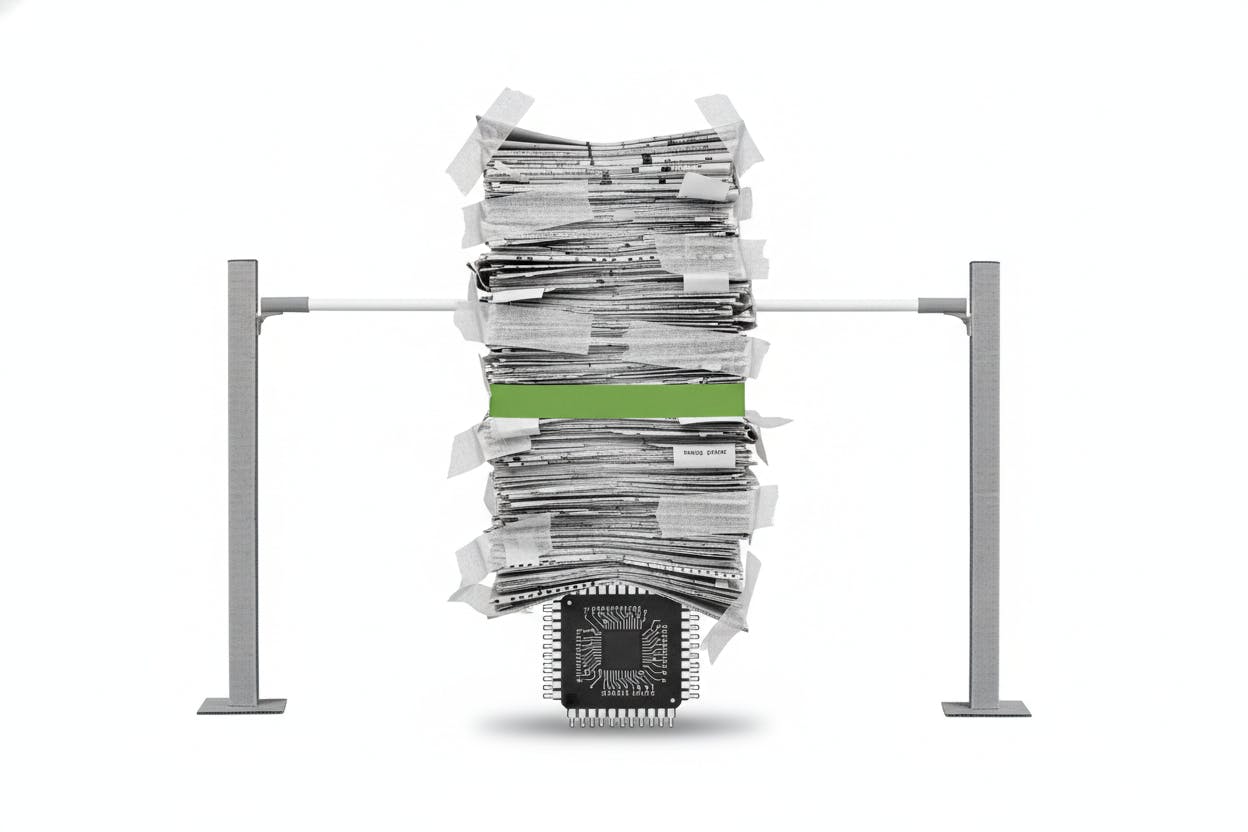
US stocks have climbed to fresh highs in 2026, driven by rising profit expectations that have pushed the S&P 500 up 9% so far this year. But as the second-quarter earnings season kicks off, the question on every investor's mind is whether companies can deliver on the increasingly ambitious forecasts that have fueled the rally.
Wall Street began the year expecting solid but unspectacular growth. Then first-quarter results came in hot: S&P 500 earnings rose 29.4% versus the 14.4% analysts had penciled in at the start of April, according to LSEG IBES data. That strong performance prompted a rapid upward revision to forecasts for the rest of 2026.
Rising Expectations Raise the Bar
For the second quarter, analysts now expect S&P 500 profits to grow 23.4% from a year earlier, up sharply from the 15.2% growth expected when the year began. The biggest jumps are concentrated in technology, where AI-related spending continues to lift demand, and in energy and materials, where higher oil prices earlier in the quarter improved the arithmetic.
Even with the index up 9% in 2026 and year-ahead earnings estimates up 21%, the S&P 500's forward price-to-earnings ratio (forward P/E) has actually slipped to 20.1 from 22.2 at the end of 2025, per LSEG Datastream. The forward P/E measures what investors are willing to pay today for expected profits over the next 12 months. A declining ratio suggests that while optimism is high, investors want more proof before they pay up further.
That dynamic means that simply meeting estimates may not feel good enough. If guidance doesn't reinforce the growth story, stocks could face a double hit: lower expected earnings and a compressed valuation multiple as investors decide those profits are less predictable.
What It Means for Investors
At 20.1 times forward earnings, the S&P 500's valuation bar looks higher than it did at 22.2 times in late 2025. That's because fast upward revisions quietly raise what counts as a good quarter. When analysts upgrade numbers, the stock often rerates, so the next catalyst has to be an actual earnings beat or notably strong guidance.
If results come in a touch light, prices can fall for two reasons at once: expected earnings drop, and the forward P/E compresses as investors decide those profits are less predictable. That tends to mean bigger single-stock swings and wider gaps between sectors through Q2 reporting.
AI-linked areas like semiconductors can be especially sensitive because their growth assumptions are aggressive and sentiment can flip quickly. As Reuters noted when strong earnings from Samsung Electronics still coincided with a broader selloff in chip stocks, the market's tolerance for disappointment is low in high-expectation sectors.
For everyday investors, this earnings season is a reminder that rising forecasts don't automatically translate into rising stock prices. The market is now demanding proof. Companies that beat expectations and raise guidance may be rewarded, while those that merely meet the numbers could see their shares stagnate or fall.
Globally, similar dynamics are playing out. In Europe, UBS raised its STOXX 600 target to 690 on resilient earnings and AI optimism, while in Asia, chip stocks rallied in Korea as the earnings season got underway. In India, stocks edged higher as TCS results kicked off reporting there.
Key Sectors to Watch
Technology remains the engine of earnings growth, with AI-related spending driving demand for semiconductors, cloud services, and data center infrastructure. Energy and materials sectors also stand to benefit from higher oil prices earlier in the quarter, though those tailwinds may fade if crude prices soften.
Consumer-facing sectors face a more mixed picture. PepsiCo beat revenue forecasts but reported slowing North America snack sales as household budgets tighten, highlighting the pressure on discretionary spending. Meanwhile, Seven & i lifted its profit forecast on strong US gasoline revenue and a weak yen, showing how currency and commodity factors can create winners even in a cautious environment.
Financial results are also starting to trickle in. AEON Financial Service saw Q1 profit soar 106% and raised its dividend, while Berenberg expects Repsol to beat Q2 forecasts on strong refining margins. These early reads suggest the earnings season could deliver surprises on both the upside and downside.
For investors, the key takeaway is that the bar has been raised. With the S&P 500's forward P/E at 20.1, the market is pricing in a lot of good news. The next few weeks will reveal whether the optimism is justified or whether the rally has gotten ahead of reality.



