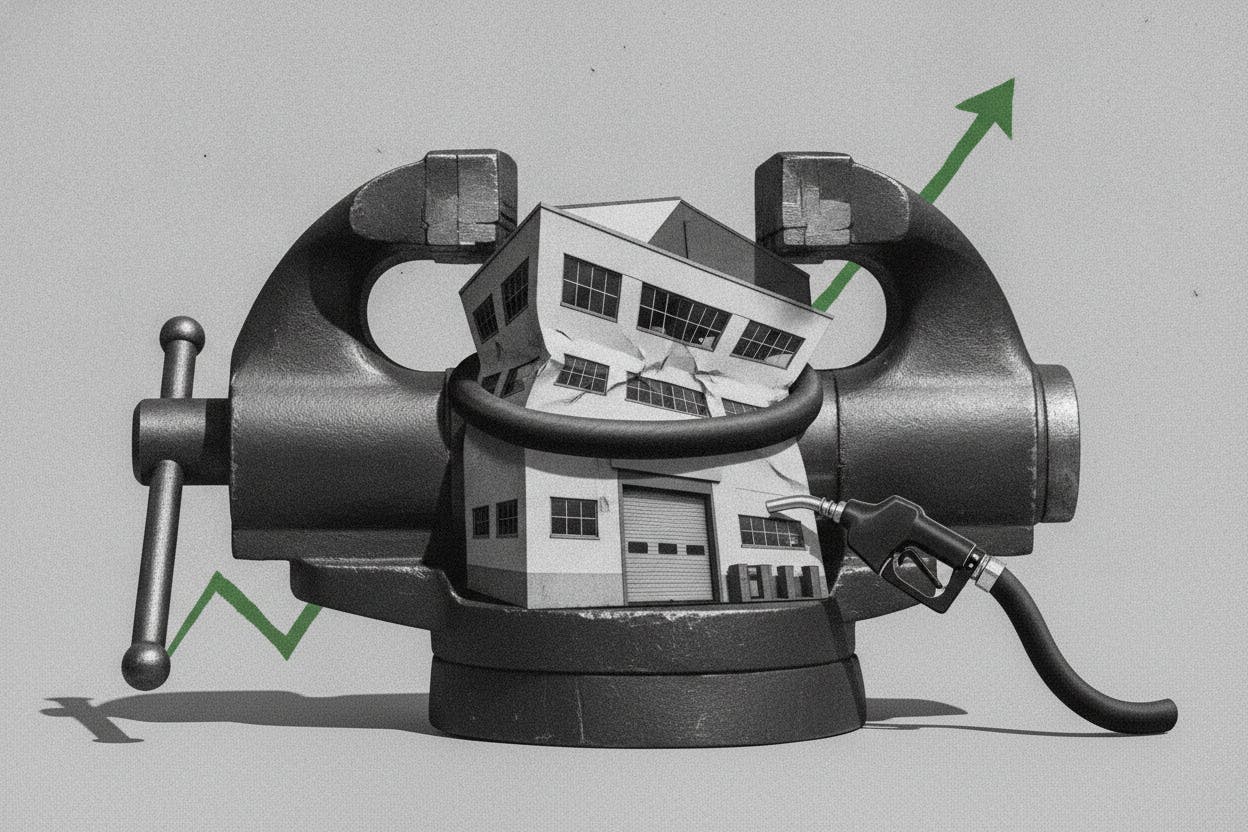
A closely watched survey from S&P Global revealed that Spain's manufacturing sector contracted in June, as the Purchasing Managers' Index (PMI) dropped to 49.7. A reading below 50 signals contraction, meaning factory activity shrank compared to the previous month. The decline was driven by weakening orders and rising costs linked to the ongoing Iran war, which forced firms to raise prices.
What the PMI Data Shows
The manufacturing PMI is a key indicator of economic health in the factory sector, based on surveys of purchasing managers at hundreds of companies. It tracks new orders, production, employment, supplier deliveries, and inventories. A reading of 49.7 indicates a slight contraction, a reversal from the expansion seen in previous months.
The survey highlighted that new orders weakened in June, a sign that demand from both domestic and international customers is cooling. At the same time, input costs rose sharply due to disruptions tied to the Iran war, which has affected energy prices and supply chains. Spanish manufacturers responded by raising their selling prices, passing some of the cost burden onto buyers.
Broader Economic Context
Spain's economy has been navigating a mix of challenges, including high inflation and geopolitical tensions. The Iran war has added a layer of uncertainty, particularly for energy-dependent industries. Spain imports a significant portion of its energy, and conflict in the Middle East has pushed up oil and gas prices, squeezing margins for manufacturers.
This contraction in Spain's factory sector contrasts with other regions. For example, Japan's factories posted their best quarter in over a decade with a PMI of 54.8, highlighting divergent global manufacturing trends. Meanwhile, global markets have been lifted by AI stocks, even as rate hike bets resurface, as noted in our coverage of AI stocks lifting global markets.
What It Means for Investors
For everyday investors, the contraction in Spain's manufacturing sector is a signal that the economy may be losing momentum. A weakening factory sector can lead to slower economic growth, lower corporate profits, and potentially higher unemployment. Companies that rely on Spanish manufacturing, such as those in the automotive, machinery, and consumer goods sectors, could see their earnings pressured.
The rise in prices charged by manufacturers also suggests that inflation pressures remain sticky, which could complicate the European Central Bank's (ECB) efforts to control inflation. If the ECB keeps interest rates higher for longer to combat inflation, that could weigh on stock and bond markets across Europe.
Investors should watch for further PMI data in the coming months to see if this contraction deepens or if the sector rebounds. A sustained downturn could prompt the ECB to reconsider its rate path, potentially leading to rate cuts that would boost bond prices but signal economic weakness.
Looking Ahead
The next key data point will be the July manufacturing PMI, due in early August. If the index falls further, it would confirm a deepening contraction. Conversely, a move back above 50 would indicate a recovery. Also important are inflation reports and ECB policy statements, which will provide clues on how central bankers view the economic outlook.
In the meantime, investors may want to diversify their portfolios to reduce exposure to European manufacturing and consider sectors that are less sensitive to geopolitical shocks, such as healthcare or technology. However, as always, it's important to base decisions on individual risk tolerance and long-term goals.