Inflation in Sri Lanka's capital city picked up again in June, signaling that the central bank's path back to its 5% target remains bumpy. Colombo's consumer price index (CPI) rose 6.8% year-on-year, up from 5.5% in May, with food prices re-accelerating sharply.
What the Data Shows
Colombo's CPI is closely watched as an early indicator of where national inflation may head. The June reading showed food inflation jumping to 3.6% year-on-year from just 0.9% in May, while non-food inflation remained elevated at 8.4%, up from 7.8%. This suggests that everyday essentials and services are still getting pricier, even as some input costs begin to ease.
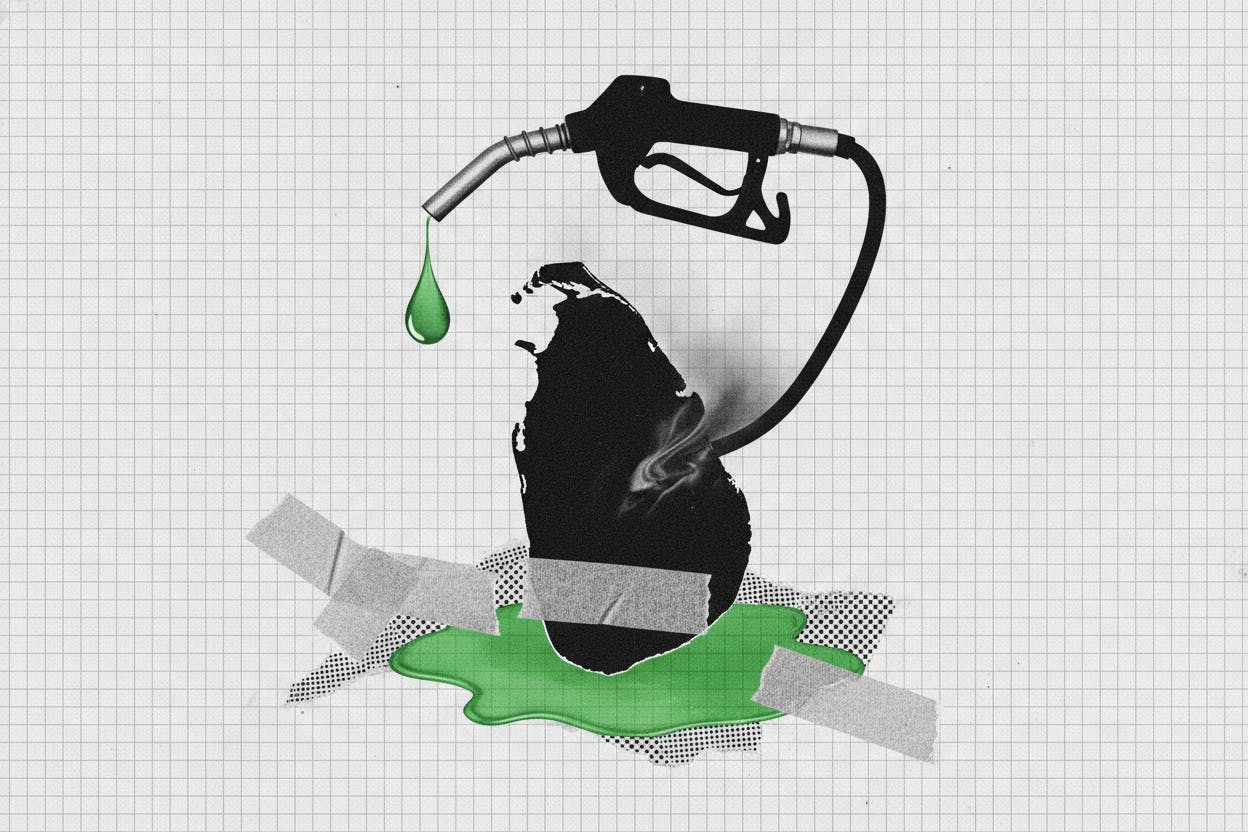
The uptick comes despite recent fuel price cuts. On Monday, diesel was reduced by 25 rupees and petrol by 20 rupees—roughly a 6% drop—after months of increases. Lower pump prices can reduce transport and distribution costs, but the effect on retail prices often takes time to materialize, and businesses are typically slower to pass on cost drops than increases.
Central Bank's Dilemma
The Central Bank of Sri Lanka (CBSL) has set a 5% inflation target and currently holds its policy rate at 8.75%. With its next decision due on July 22, the sticky inflation profile keeps policymakers cautious about loosening borrowing conditions too soon. If inflation doesn't move convincingly toward the target, the central bank is more likely to maintain a restrictive stance, which tends to filter through to the interest rates households see on loans and credit.
This dynamic is playing out globally as central banks grapple with persistent price pressures. For context, similar challenges are being seen elsewhere: South African inflation expectations jumped after an oil shock, while German inflation cooled in June, showing the varied pace of the global inflation fight.
What It Means for Investors
For everyday investors, the 6.8% inflation print could keep loan rates from falling quickly. Fuel costs are built into the cost of daily life—getting to work, moving food from farms and ports, and running delivery networks. So the recent fuel cuts should eventually take some pressure off grocery and commuting bills. But that relief often comes with a lag, and businesses don't always pass on cost drops immediately, especially when other inputs like wages, rent, and utilities are still rising.
June's jump in food inflation to 3.6% and still-high non-food inflation at 8.4% helps explain why prices can feel 'sticky' even when fuel gets cheaper. And if inflation doesn't move convincingly toward the CBSL's 5% target, the 8.75% policy rate is more likely to stay restrictive, which tends to filter through into the interest rates households see on loans and credit.
Investors should also watch how global commodity trends affect Sri Lanka. The recent drop in oil prices to near four-month lows has eased inflation fears in other regions, as seen in euro zone bond yields sliding. If fuel costs continue to decline, it could provide some relief to Sri Lanka's inflation outlook, but the path remains uncertain.
Looking Ahead
The CBSL's next policy decision on July 22 will be a key event. If inflation remains sticky, the central bank may hold rates steady, keeping borrowing costs elevated. Conversely, if fuel cuts and other factors start to bring inflation down, there could be room for easing later in the year. For now, the data suggests that Sri Lanka's inflation battle is far from over, and investors should brace for continued volatility in prices and interest rates.