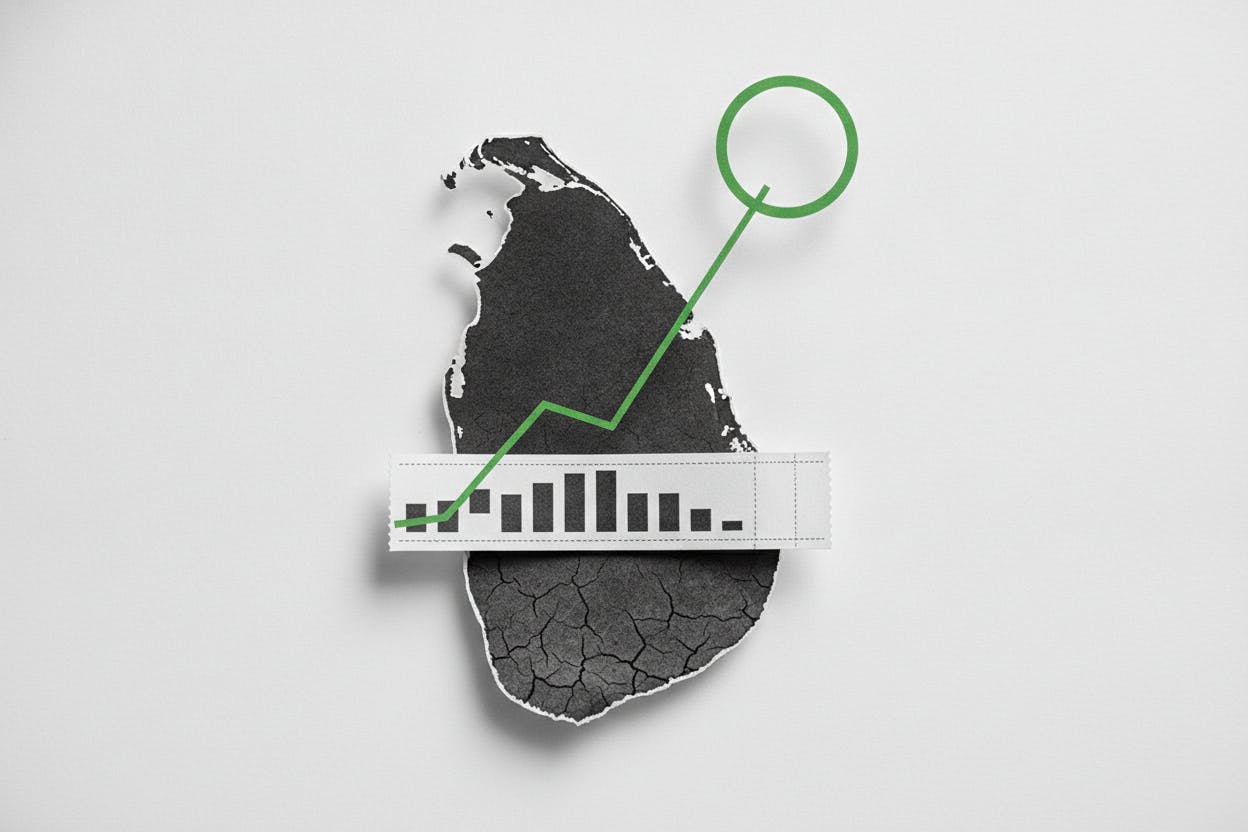
Sri Lanka's inflation rate in the capital, Colombo, ticked up again in August, reaching 8% on a year-over-year basis, according to the country's Statistics Department. That's up from 7.3% in July, marking a second consecutive monthly acceleration.
The main culprit: food prices, which have been climbing as an El Nino-linked drought hits agricultural output. For everyday Sri Lankans, that means higher costs for groceries and other essentials, squeezing household budgets.
Why inflation is stubbornly high
The central bank of Sri Lanka has set a target of 5% inflation, but the latest reading shows the economy is still far from that goal. The gap highlights the challenge policymakers face: bringing prices under control without choking off a fragile economic recovery.
El Nino, a natural climate pattern that warms parts of the Pacific Ocean, often disrupts weather across Asia. In Sri Lanka, it has brought drier conditions, hurting crops and pushing up food prices. This is a familiar story for the region—similar weather patterns have affected food inflation in other Asian economies this year.
The August figure also echoes trends seen elsewhere. For instance, German inflation also rose in August, missing forecasts, and Poland's hotter inflation has cooled hopes for rate cuts there. While each country has its own drivers, the global picture is one of sticky price pressures.
What this means for investors
For investors, the key takeaway is that Sri Lanka's central bank is unlikely to cut interest rates anytime soon. Higher inflation typically keeps monetary policy tight, which can support the currency but also weigh on economic growth.
If you're invested in Sri Lankan assets—whether local bonds, stocks, or the rupee—this inflation reading suggests continued volatility. The central bank's 5% target remains out of reach, and until food prices stabilize, the pressure will persist.
It's also worth watching how the broader Asian data plays out, as regional inflation trends can influence investor sentiment toward emerging markets like Sri Lanka.
Food prices: the main driver
Food inflation is particularly painful because it hits lower-income households hardest. When a large share of spending goes to food, a drought-driven price spike can quickly erode purchasing power.
The El Nino effect is not unique to Sri Lanka. Across Asia, weather disruptions have been a recurring theme, affecting agricultural supply chains. For Sri Lanka, the drought has compounded existing economic challenges, including a previous debt crisis and a struggling tourism sector.
What to watch next
Investors will be watching for the next inflation print to see if the trend continues. If food prices keep rising, the central bank may need to consider further rate hikes, which could slow growth but help anchor inflation expectations.
On the other hand, if the drought eases and food prices retreat, inflation could fall back toward the target, opening the door for more accommodative policy.
For now, the message is clear: Sri Lanka's inflation fight is far from over, and the path back to 5% will likely be bumpy.