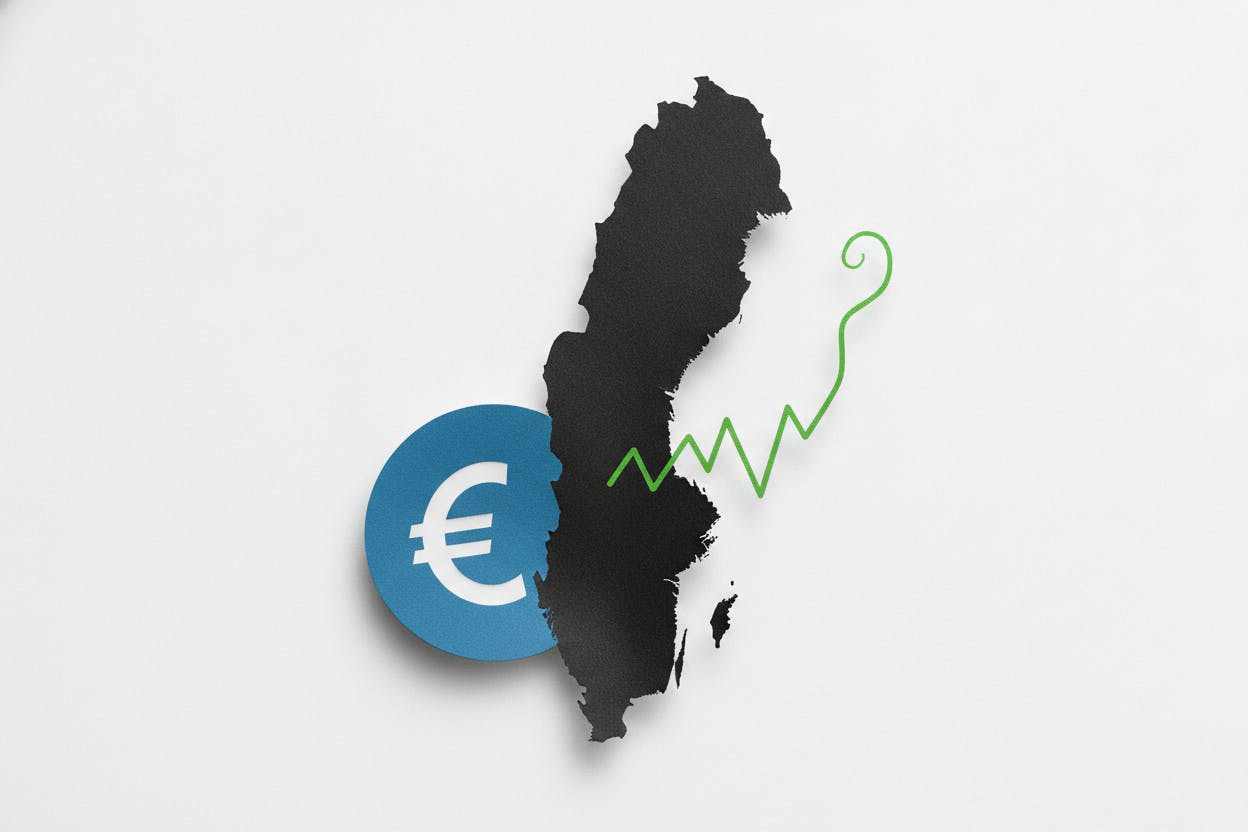
Sweden's central bank, the Riksbank, is facing a tricky balancing act after new data showed inflation cooling faster than expected. The country's preferred inflation measure, CPIF, rose just 0.7% in August, missing the 1.0% that economists had forecast. That might sound like good news for households, but it complicates the central bank's next move.
What is CPIF and why does it matter?
CPIF stands for Consumer Price Index with a fixed interest rate. It's the Riksbank's main gauge of inflation because it strips out the direct effect of changes in household mortgage rates, which can be volatile and distort the picture. For everyday investors, CPIF is the number that influences Swedish interest rates, which in turn affect everything from mortgage payments to the value of the krona.
The August reading suggests price pressures are easing more quickly than anticipated. That could give the Riksbank room to hold off on raising rates. But two other factors are pulling in the opposite direction.
The krona and growth complicate the picture
First, the Swedish krona has been weak. A softer currency makes imported goods more expensive, and those costs can eventually feed through to consumer prices. That's a classic inflation risk that central banks watch closely.
Second, Sweden's economy grew at a solid 3.3% annual pace in the second quarter. Strong growth can signal that demand is robust, which might push prices higher over time. When an economy is running hot, central banks often lean toward tighter policy to keep inflation in check.
So while the inflation miss points toward patience, the currency and growth data keep the door open for further rate hikes. The Riksbank has to weigh these competing signals.
What this means for investors
For investors, the key takeaway is that Sweden's interest rate path is far from certain. If the Riksbank decides to hike again, that could strengthen the krona but also slow economic activity. If it holds off, the krona might stay weak, but households and businesses could enjoy lower borrowing costs.
This uncertainty is not unique to Sweden. Central banks around the world are wrestling with similar dilemmas. In the United States, for example, upcoming inflation data could tip the Federal Reserve toward another hike. Meanwhile, Czech inflation is holding steady but rate-cut bets are fading as services prices remain sticky. These global trends show how sensitive markets are to any hint of policy shifts.
For those with exposure to Swedish assets, the message is to stay alert. Currency moves can have a big impact on returns for foreign investors, and interest rate decisions ripple through stocks and bonds. A weaker krona might benefit exporters, but it can hurt importers and consumers.
Looking ahead
The Riksbank's next policy meeting will be closely watched. Investors will look for any signals about whether the inflation miss is enough to pause, or whether the krona and growth data will push the bank to act. The central bank has a target of 2% inflation, so at 0.7%, price pressures are still well below that level. That suggests there is no urgent need to hike, but the bank may worry about future inflation if the krona stays weak.
In the meantime, Swedish households can enjoy some relief from lower inflation, but they should not assume that rates will stay put. The economic backdrop remains uncertain, and the Riksbank has shown it is willing to act when needed.
For investors, the broader lesson is that inflation data is never the whole story. Currency movements and growth figures matter just as much. Keeping an eye on all three can help you understand where central banks are headed.