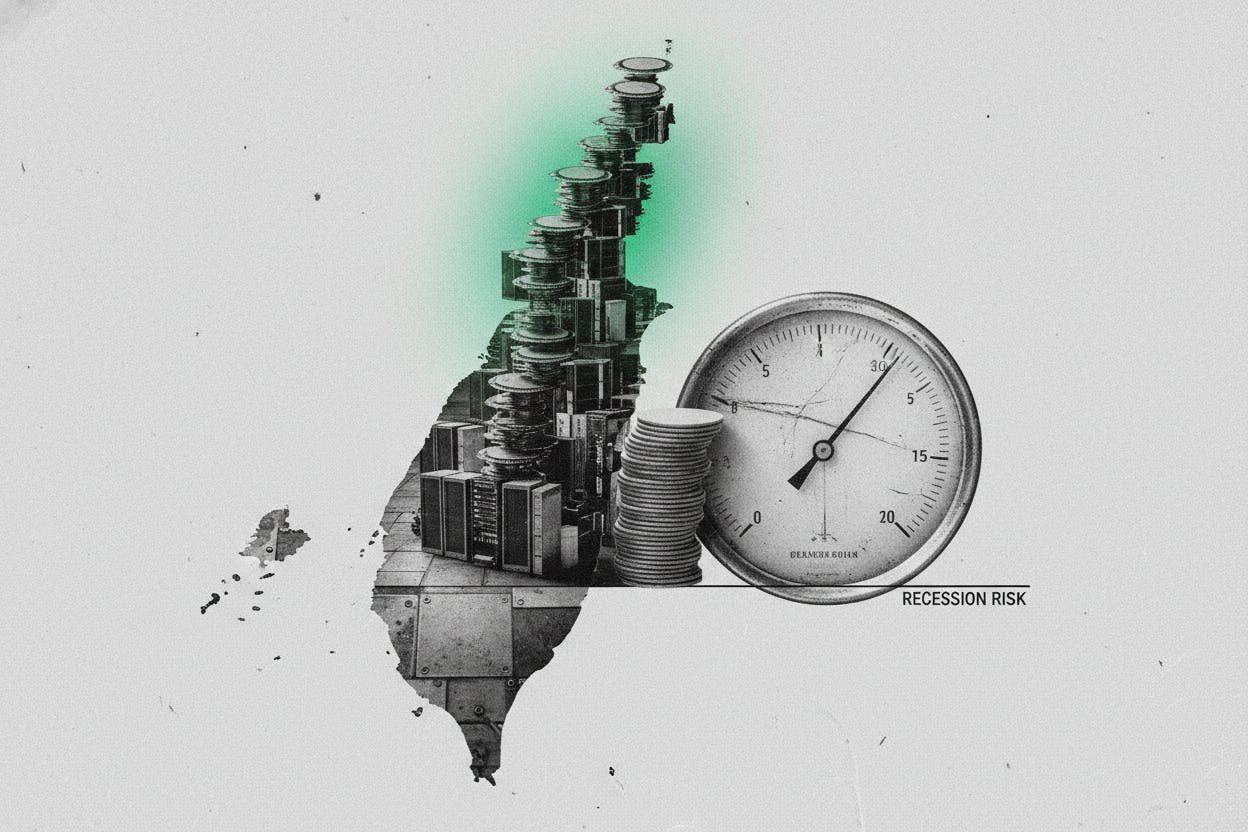
Taiwan's manufacturing sector showed renewed optimism in May, as a key confidence index climbed on the back of surging demand for AI-related semiconductors and a welcome drop in oil prices. The Taiwan Institute of Economic Research (TIER) reported its composite manufacturing index rose to 15.75, up from 14.03 in April, according to the Taipei Times.
The reading keeps the index in the so-called "green" zone, which signals stable business conditions rather than expansion or contraction. For everyday investors, this matters because Taiwan is a linchpin of the global tech supply chain—home to the world's largest contract chipmaker, TSMC, and hundreds of electronics component manufacturers.
What's Driving the Uptick
The improvement came from two key forces. First, demand for semiconductors and electronic components used in AI servers and data centers remained robust. Companies like Nvidia and AMD rely heavily on Taiwanese foundries to produce the advanced chips powering artificial intelligence applications, from chatbots to autonomous vehicles. That steady order flow has given factory managers more confidence about the months ahead.
Second, softer oil prices provided a tailwind. Crude oil costs have eased from earlier highs, lowering shipping and raw material expenses for manufacturers. This helps protect profit margins, especially for energy-intensive industries like petrochemicals and metals processing. The combination of strong revenue from chips and lower input costs created a favorable environment for factory sentiment.
Taiwan's manufacturing sector has been a bellwether for global tech demand. When Taiwanese factories are busy, it often signals that electronics supply chains worldwide are humming. The May index suggests that AI-related investment is still providing a meaningful boost, even as other parts of the global economy show signs of slowing.
What It Means for Investors
For investors, the TIER index is a useful leading indicator. A rising reading suggests that Taiwanese exporters—many of which are suppliers to Apple, Nvidia, and other tech giants—are seeing healthy order books. That can translate into stronger earnings reports in the coming quarters.
However, the index remains in the "green" zone, not the "red" zone that would signal overheating or rapid expansion. That suggests the recovery is measured rather than explosive. Investors should watch for further data points, such as export orders and industrial production figures, to confirm the trend.
The broader context is also important. Taiwan's economy is heavily export-dependent, and its factory activity often mirrors global demand. While AI-related orders are a bright spot, other sectors—like consumer electronics and automotive chips—have faced headwinds from slower spending in China and Europe. The May index suggests that AI is providing enough lift to offset some of those drags.
For comparison, other manufacturing economies have shown mixed signals recently. Japan's factories posted their best quarter in over a decade, while Australia's industry slump deepened. Taiwan's position as a key node in the AI supply chain gives it a unique advantage.
Looking Ahead
The TIER index is a composite measure that includes sub-indexes for output, new orders, and employment. The May reading suggests that all three components improved, though the report did not break out individual figures. Investors will want to see if the momentum continues into June and July, especially as the peak holiday season for electronics approaches.
Another factor to watch is oil prices. If crude continues to ease, it could provide further support for Taiwanese manufacturers. Conversely, any geopolitical disruption—such as tensions in the Middle East or supply chain issues—could reverse that benefit.
For now, the message from Taiwan's factories is cautiously optimistic. AI demand is real and durable, and it's helping to offset broader economic uncertainty. For investors with exposure to tech or emerging markets, this is a positive signal—but not one that guarantees smooth sailing ahead.