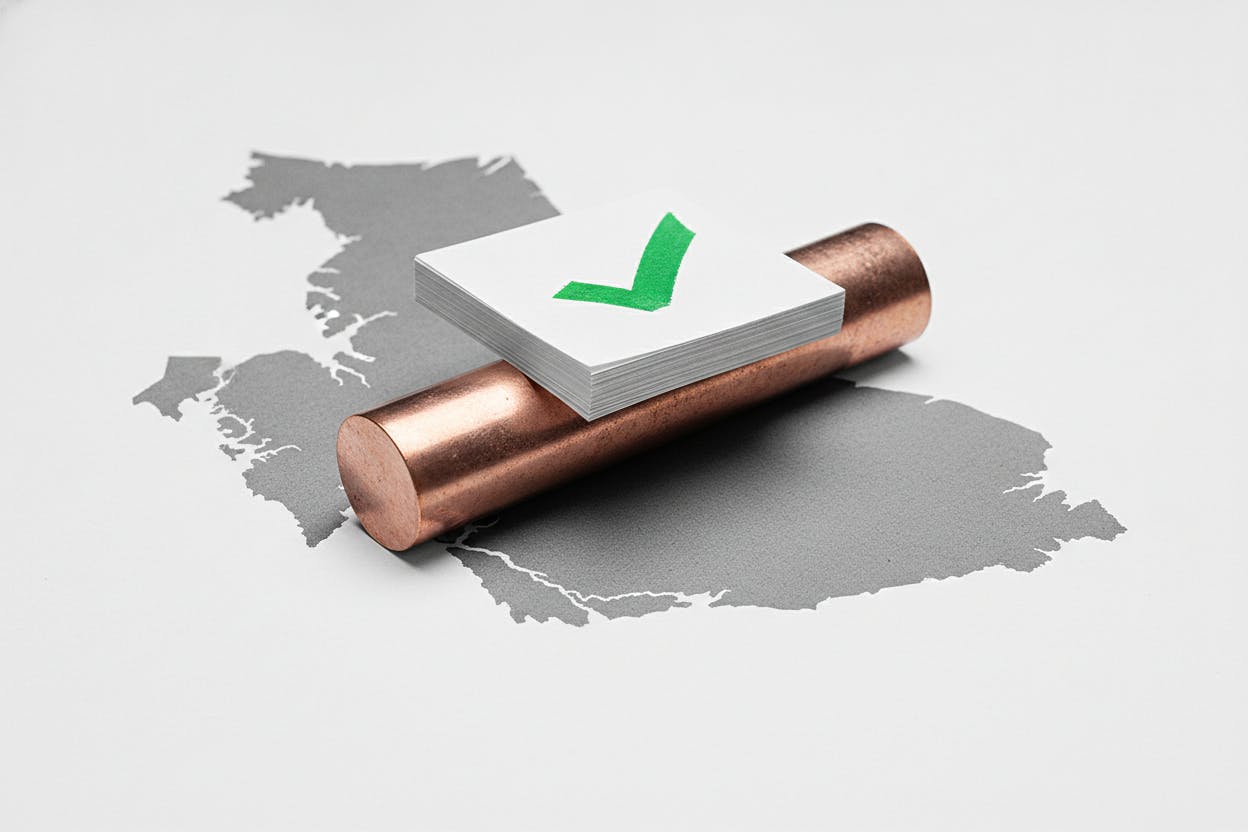
Trekor Metals, the Canadian mining company formerly known as Taseko Mines, has moved its Yellowhead copper project in British Columbia one step closer to potential development. On Tuesday, the company filed a detailed project description with the province's Environmental Assessment Office (BC EAO), a formal requirement that kicks off the next phase of the regulatory review process.
What Is a Detailed Project Description?
A detailed project description is essentially the developer's blueprint for what it wants to build. It outlines the location, scale, construction methods, and plans for managing environmental and community impacts. For a mining project like Yellowhead, this document is a critical early step in British Columbia's environmental assessment process, which can take years to complete.
Trekor says the description incorporates technical work completed so far, as well as feedback gathered from local communities and Indigenous groups. That engagement is important because environmental reviews in BC are less about checking boxes and more about balancing resource development with environmental protection and community interests.
Background on Yellowhead and Trekor
The Yellowhead copper project is located in south-central British Columbia, near Kamloops. Copper is a key metal for the global energy transition, used extensively in electrical wiring, renewable energy infrastructure, and electric vehicles. That demand backdrop has made copper projects increasingly attractive to investors, though development timelines remain long and uncertain.
Trekor Metals itself has a history in the region. The company was previously known as Taseko Mines, a name familiar to many Canadian mining investors. Taseko has been involved in other BC mining projects, including the Gibraltar copper-molybdenum mine. The rebranding to Trekor Metals reflects a strategic shift, but the Yellowhead project remains a core asset.
What This Means for Investors
For everyday investors, this news is a small but meaningful step in a very long process. Filing a detailed project description does not mean the mine will be built. It simply means the regulatory clock has started ticking on the environmental assessment. That process can take several years, and there is no guarantee of approval.
However, clearing this paperwork hurdle does reduce some uncertainty. It shows the company is actively advancing the project and engaging with regulators and communities. For investors who follow mining stocks, this is the kind of milestone that can gradually build confidence in a project's viability.
Copper prices have been volatile recently, but the long-term outlook remains supported by demand from electrification and renewable energy. That broader backdrop is why projects like Yellowhead attract attention, even if they are years away from production.
Investors should also keep an eye on the broader mining sector. Recent developments, such as Hot Chili securing a $15M royalty deal to advance its La Verde copper-gold project, show that copper projects are drawing financing despite challenging market conditions. Similarly, supply disruptions in Congo and Zambia highlight the fragility of global copper supply chains, which could benefit projects in stable jurisdictions like Canada.
What to Watch Next
The next major milestone for Yellowhead will be the BC EAO's decision on whether to accept the detailed project description and move to the formal environmental assessment phase. That decision could come in the coming months. If accepted, the company will then need to complete a full environmental impact study, which involves extensive technical analysis and public consultation.
Trekor will also need to secure financing for the project's development. Mining projects are capital-intensive, and the company's ability to raise funds will depend on copper prices, investor sentiment, and progress through the regulatory process.
For now, this filing is a positive signal that Trekor is serious about advancing Yellowhead. But investors should temper expectations: the road from project description to production is long, and many projects never make it. As always, diversification and patience are key when investing in early-stage mining companies.