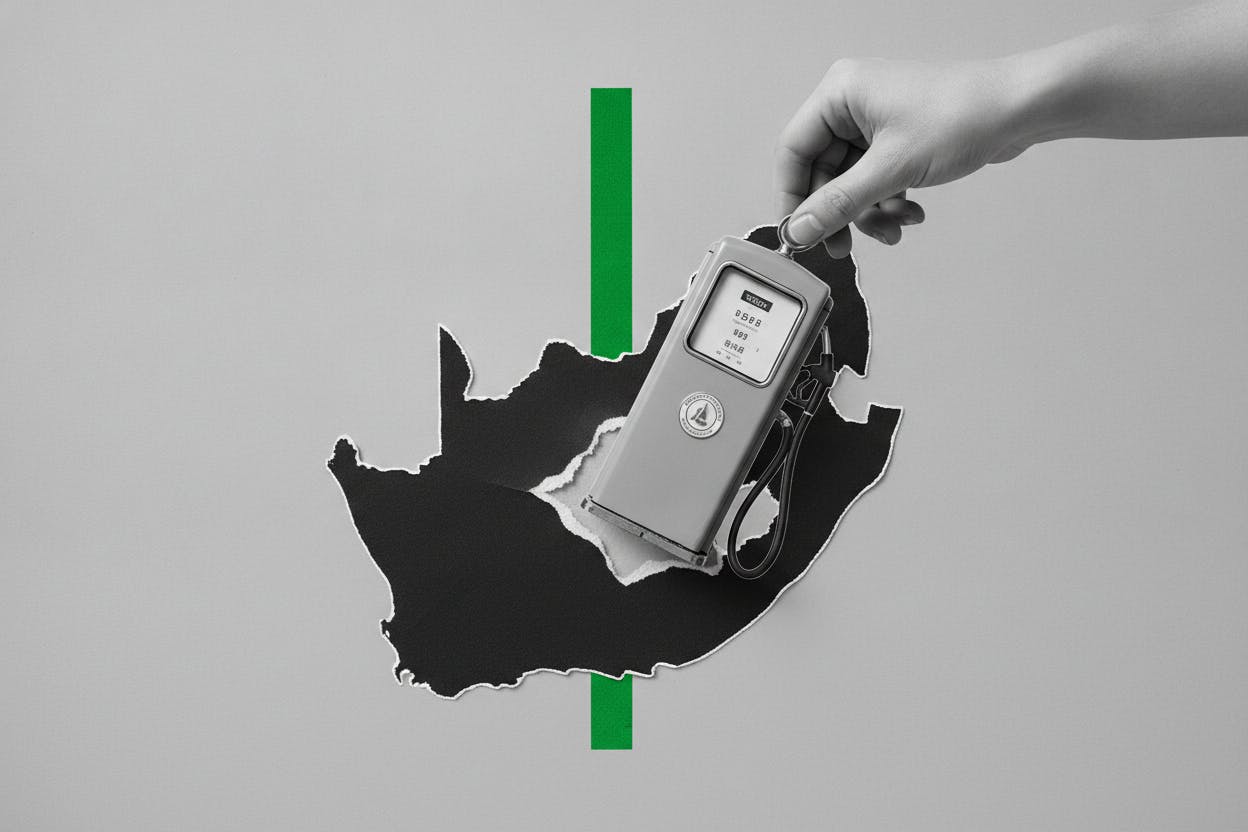
Energy stocks edged higher in pre-market trading on Tuesday as oil prices climbed and Shell announced a major portfolio move. West Texas Intermediate (WTI) crude rose to $69.30 a barrel, providing a tailwind for the sector. But the bigger story for Shell investors was the company's agreement to sell its downstream South Africa business to ADNOC Distribution for an implied enterprise value of $1 billion.
What the Shell-ADNOC Deal Means
Shell's sale covers its retail fuel stations, wholesale fuel distribution, and related logistics operations in South Africa. Downstream businesses like these typically generate steady, lower-growth earnings compared to the more volatile but higher-margin upstream production of oil and gas. By selling this unit, Shell is streamlining its portfolio, focusing on areas with higher returns.
The use of enterprise value in the deal is important for investors. Enterprise value includes debt and other liabilities, giving a clearer picture of what a buyer is paying for the entire operating business. This allows investors to compare the sale price against what public markets might value similar assets. If the price is seen as attractive, Shell can use the proceeds to reduce debt, fund share buybacks, or invest in higher-return projects like renewable energy or deepwater oil fields.
This deal is part of a broader trend in the energy sector, where companies are reshaping their portfolios to adapt to changing market conditions. For example, Vertex's $10B Crinetics buy and ADNOC's $1B Shell deal signal broad M&A activity, highlighting how both traditional oil majors and Middle Eastern national oil companies are repositioning.
Oil Prices and Energy Stocks
The rise in WTI crude to $69.30 provided a modest lift to energy shares. For large integrated oil companies like Shell, the daily stock price often moves in tandem with crude oil benchmarks. Higher oil prices improve expected cash flows from production and can support refining margins when demand is steady. However, this relationship is not always straightforward, as other factors like geopolitical tensions or inventory data can also drive sentiment.
Recent events have kept oil markets on edge. UAE stocks edged higher as oil rose on Strait of Hormuz missile reports, showing how supply disruption fears can quickly boost prices. Similarly, Malaysia stocks ended a winning streak as Middle East tensions rattled regional markets, underscoring the global impact of such risks.
What It Means for Investors
For Shell shareholders, the South Africa sale could change how the stock behaves. Downstream fuel retail tends to dampen volatility because demand for gasoline and diesel is relatively inelastic—drivers keep buying even when oil prices swing. By reducing that steadier piece of the mix, a larger share of Shell's earnings will come from upstream production and global oil prices. This could make Shell's stock more sensitive to crude price movements, potentially increasing its correlation with broad energy benchmarks like the Energy Select Sector SPDR Fund (XLE).
Investors should also watch how Shell deploys the proceeds. If the company uses the cash for share buybacks or debt reduction, it could boost earnings per share and improve financial flexibility. Alternatively, reinvesting in higher-return projects could drive long-term growth. The market will likely scrutinize Shell's next moves, especially as it navigates the energy transition.
For ADNOC Distribution, the deal expands its footprint in Africa, a region with growing fuel demand. This aligns with Abu Dhabi's broader strategy to invest in energy infrastructure globally, as seen in Abu Dhabi Royal Office invests $1.13 billion in LNG platform MidOcean Energy. The acquisition gives ADNOC a ready-made network of retail stations and wholesale customers, providing a stable cash flow stream.
Broader Market Context
Energy stocks have been a mixed bag this year, with oil prices fluctuating on concerns about global demand and supply disruptions. The sector's performance often hinges on macroeconomic data, such as jobs reports or inflation readings, which influence expectations for interest rates and economic growth. For instance, Indian stocks paused as the rupee jumped on offshore dollar selling, reflecting how currency moves can affect energy-importing nations.
As Shell reshapes its portfolio, investors will need to reassess the company's risk profile. The sale of the South Africa downstream business is a clear signal that Shell is prioritizing higher-return assets and simplifying its structure. Whether this pays off will depend on oil prices, execution, and the broader energy landscape.