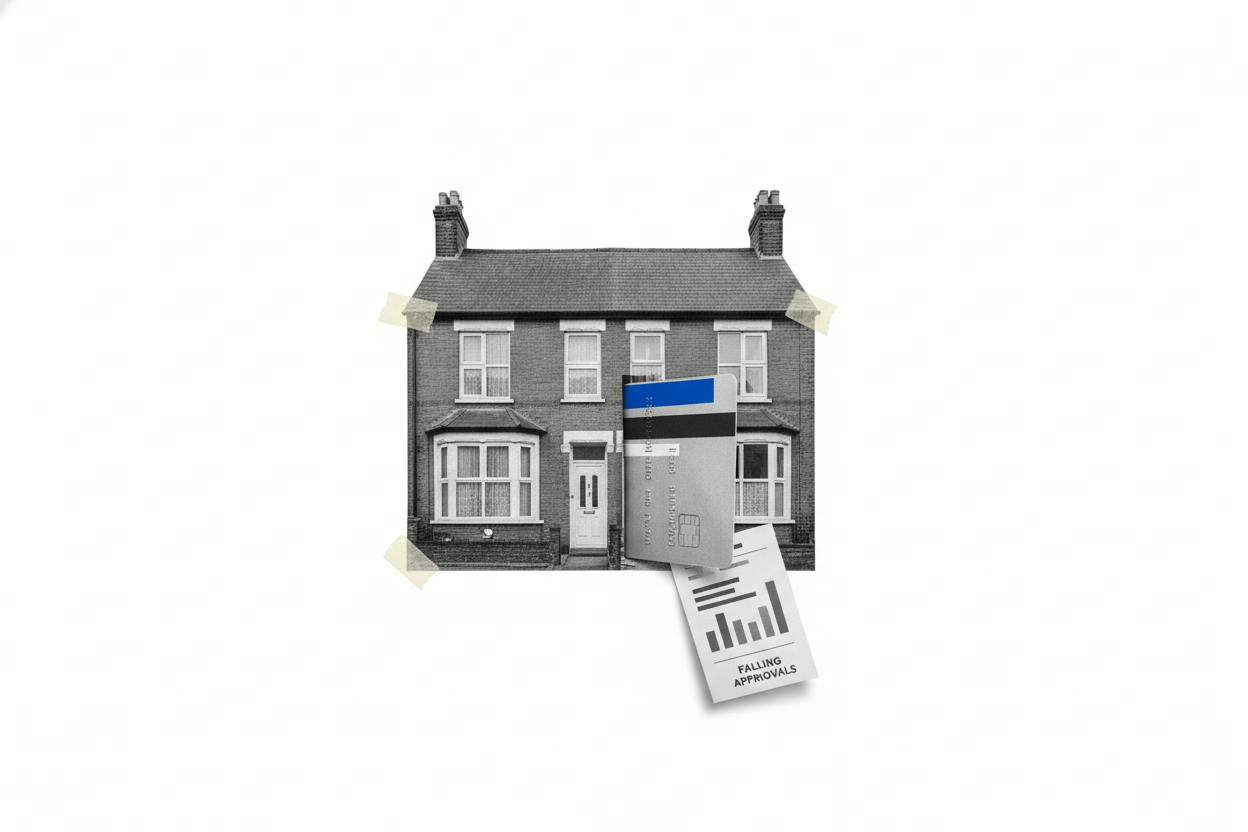
UK households leaned harder on credit in August, according to new Bank of England data, even as the housing market showed fresh signs of cooling. Net unsecured borrowing—which covers credit cards, overdrafts, and personal loans—rose by £2.464 billion, coming in well above economists' expectations. At the same time, mortgage approvals fell to their lowest level since December 2023, suggesting that while consumers are willing to borrow for day-to-day spending, they are more cautious about taking on big, long-term debt.
What the numbers show
The Bank of England's monthly money and credit report is a key gauge of how households are managing their finances. The £2.464 billion rise in unsecured borrowing is a notable jump, especially when set against the more subdued levels seen earlier in the year. Economists had expected a smaller increase, so the overshoot signals that consumers are increasingly turning to credit to fund purchases or bridge gaps in their budgets.
Mortgage approvals, meanwhile, tell a different story. The number of loans approved for house purchases—a leading indicator of future housing activity—dropped to its lowest level since December 2023. That points to a housing market that is losing momentum, as higher interest rates and affordability pressures continue to weigh on buyers.
Why the mixed picture?
On the surface, strong unsecured borrowing might look like a vote of confidence in the economy. But the reality is more nuanced. Rising credit card and personal loan use can reflect confidence, but it can also signal that households are struggling to make ends meet as the cost of living remains elevated. With wages growing only modestly and inflation still above the Bank of England's 2% target, many families may be relying on credit to maintain their spending levels.
The drop in mortgage approvals adds to the picture of a cautious consumer. Buying a home is a major financial commitment, and the recent period of high interest rates has made mortgages significantly more expensive than they were a few years ago. Even as the Bank of England has begun to cut rates from their peak, borrowing costs remain well above the ultra-low levels seen in the 2010s.
What it means for investors
For everyday investors, these figures offer a window into the health of the UK consumer—and by extension, the broader economy. Strong consumer spending has been a key driver of growth, but if that spending is increasingly funded by debt, it raises questions about sustainability. If households become overstretched, they may eventually cut back, which could hit retailers, banks, and other consumer-facing companies.
The housing market is also a bellwether. Falling mortgage approvals often precede weaker house prices, which can affect everything from construction firms to home improvement retailers. For investors with exposure to UK property or consumer stocks, these trends are worth watching.
On the positive side, the rise in unsecured borrowing could be a sign that consumers are confident enough to spend, even if they are using credit to do so. Banks and credit card companies may benefit from higher lending volumes, though they also face the risk of rising defaults if borrowers struggle to repay.
Broader context
The UK is not alone in seeing mixed signals from its consumers. Globally, central banks are navigating a delicate balance between taming inflation and supporting growth. In the US, for example, durable goods orders have held steady, while in Asia, factory output has been boosted by AI chip demand. These trends highlight how different economies are coping with similar challenges.
For UK investors, the key question is whether the Bank of England will continue to cut interest rates in the coming months. Lower rates would ease pressure on mortgage holders and could revive the housing market, but they might also encourage more borrowing and keep inflation elevated. The central bank's next moves will be closely scrutinised.
What to watch next
Investors should keep an eye on upcoming releases that will show whether this trend continues. The Bank of England's next money and credit report will reveal if the August surge in unsecured borrowing was a one-off or the start of a pattern. Similarly, housing market data from lenders like Nationwide and Halifax will show whether the drop in mortgage approvals is translating into lower house prices.
Also worth monitoring is the health of the wider financial system. As some investors bet against private credit amid rising defaults, the overall credit environment is under scrutiny. While the UK's mainstream banks are generally well capitalised, a sharp rise in consumer debt could eventually become a concern.
For now, the August data paints a picture of a consumer who is willing to borrow—but perhaps not to commit. That caution could shape the UK's economic outlook in the months ahead.