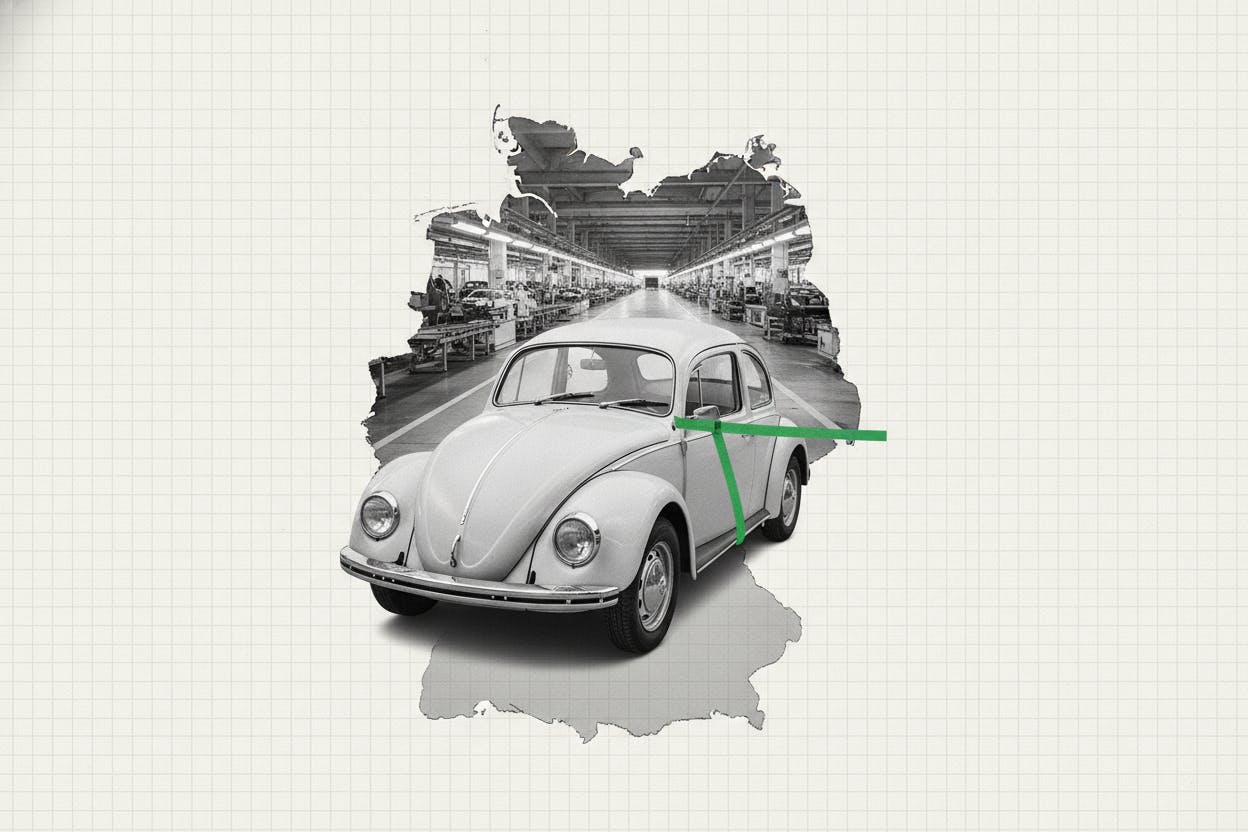
Volkswagen's home state of Lower Saxony is pushing back against the automaker's cost-cutting plans. State leader Olaf Lies has proposed that Volkswagen build some of its China-developed models in Germany instead, arguing that such a move could protect local jobs. The suggestion comes as Volkswagen considers closing four German factories, a dramatic step for a company that has long been a pillar of the country's industrial base.
What Lies Is Proposing
Olaf Lies, the minister president of Lower Saxony, which holds a significant stake in Volkswagen, said that shifting some production of models originally developed for the Chinese market back to Germany could help preserve employment. The idea is to leverage Volkswagen's existing engineering and manufacturing capabilities in China to create vehicles that can be built efficiently in German plants, potentially saving thousands of jobs. Lower Saxony is a major shareholder in Volkswagen, giving Lies a powerful voice in the company's strategic decisions.
Volkswagen has been under intense pressure to cut costs as it faces rising competition from Chinese electric vehicle makers and slowing demand in Europe. The company has already announced plans to reduce its workforce and is weighing up to 100,000 job cuts and the closure of four German plants. These measures are part of a broader restructuring aimed at making the company more competitive, but they have sparked fierce resistance from unions and politicians in Germany.
The Broader Context: Volkswagen's China Strategy
Volkswagen has long relied on China as its largest single market, generating a substantial portion of its profits from joint ventures there. However, the landscape has shifted dramatically. Chinese automakers like BYD have surged ahead in the electric vehicle race, and Volkswagen's sales in China have declined. To counter this, Volkswagen has been developing models specifically for the Chinese market, often at lower cost and with faster development cycles. Some of these models are now being considered for production in Germany, a reversal of the usual flow of manufacturing from West to East.
This proposal also reflects a broader trend in the auto industry. Other German automakers are grappling with similar pressures. For instance, Porsche is weighing moving production of its Cayenne SUV to Germany, but that move is tied to worker pay cuts. The idea of bringing production back home is not just about cost—it's also about protecting the domestic supply chain and skilled labor force that has been the backbone of Germany's export economy.
What It Means for Investors
For everyday investors, this story highlights the deep challenges facing legacy automakers as they navigate the transition to electric vehicles. Volkswagen's cost-cutting plans, including potential plant closures, are a sign that the company is under significant financial pressure. If Volkswagen can successfully bring China-developed models to German factories, it could help maintain production volumes and protect jobs, which would be positive for the company's social license to operate in Germany. However, it also raises questions about profitability: building cars designed for lower-cost markets in high-wage Germany could squeeze margins.
Investors should watch how Volkswagen balances its need to cut costs with the political and social pressures to preserve jobs. The outcome of negotiations with unions and the state government will be critical. A deal that avoids plant closures but keeps costs under control could be a positive signal. Conversely, prolonged conflict could lead to strikes or a loss of investor confidence.
Meanwhile, the broader auto sector is facing headwinds from weak demand in China and Europe. China's factory profits rose in May, but the AI boom masked a slump in the auto sector, indicating that the challenges are not limited to Volkswagen. Investors should also keep an eye on developments at other German industrial giants, such as Bosch's recent leadership shake-up, which reflects similar pressures in the automotive supply chain.
What's Next
Volkswagen is expected to continue negotiations with unions and the state government over the coming months. The company's next quarterly earnings report will provide more details on its financial health and the progress of its restructuring. For investors, the key question is whether Volkswagen can execute its cost-cutting plans without triggering a major backlash that disrupts production. The proposal from Lower Saxony's leader adds a new dimension to the debate, but it remains to be seen whether it will gain traction within the company's boardroom.