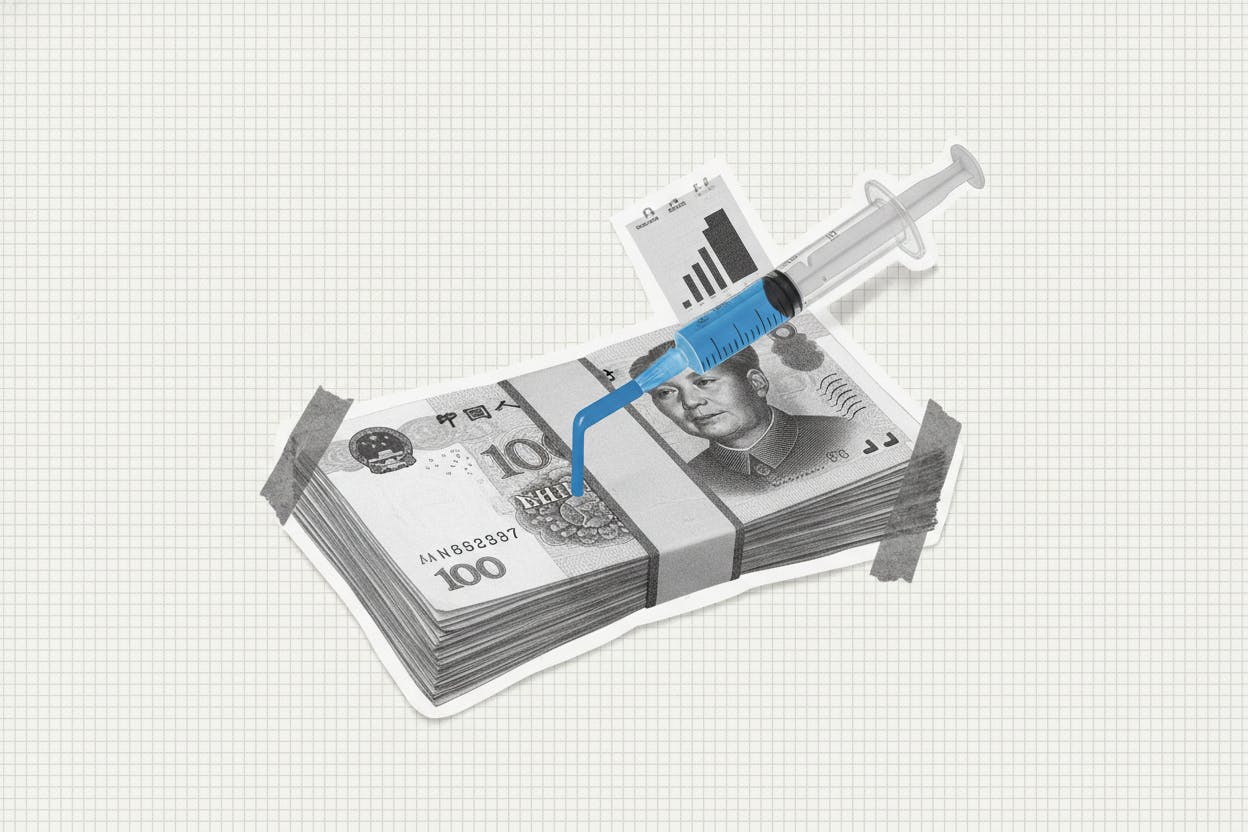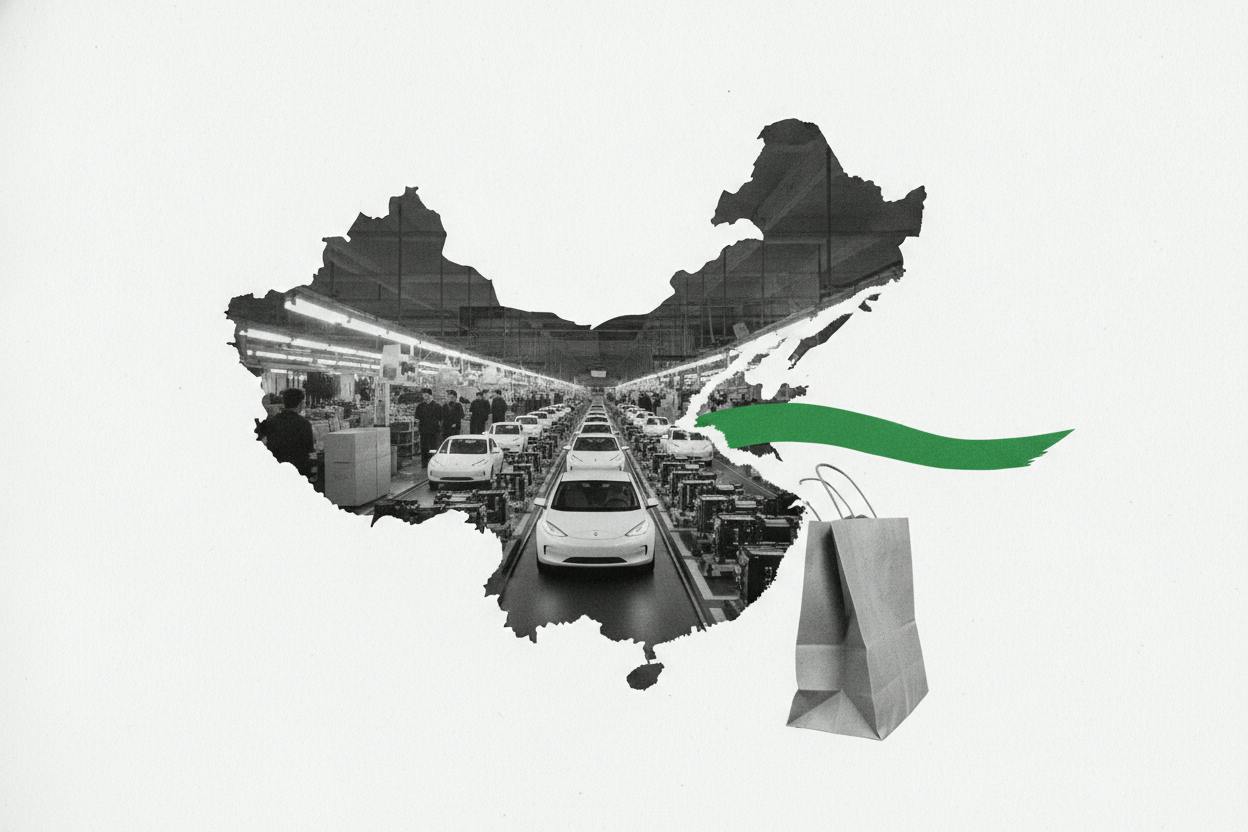
The World Bank on Tuesday raised its growth forecast for China's economy in 2026 to 4.5%, up from a previous estimate of 4.2%. The upgrade comes after a strong burst of exports, led by demand for artificial intelligence-related technology, electric vehicles, and other green products. However, the bank cautioned that this export-driven momentum may not be enough to offset persistent weakness in domestic demand.
What's behind the upgrade?
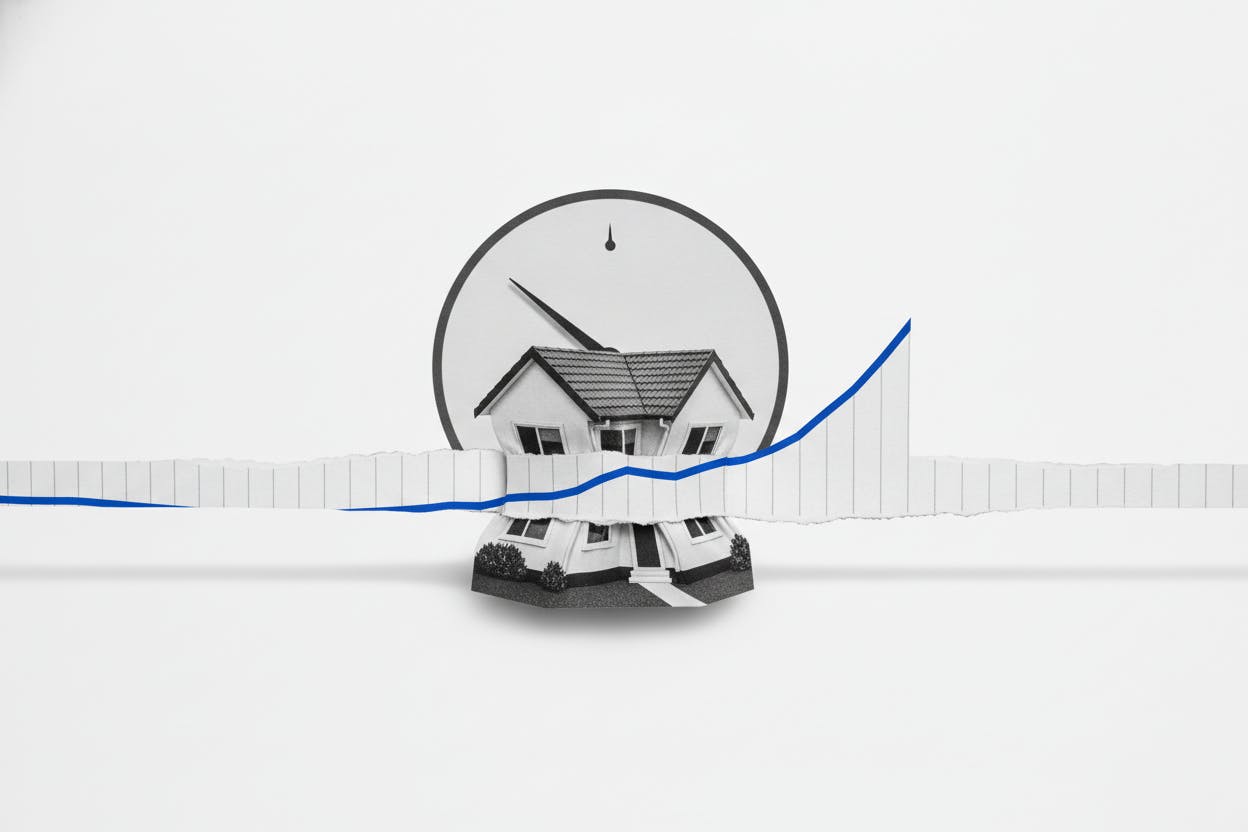
China's economy has had a choppy year. Growth slowed to 4.3% in the second quarter, down from 5% in the first three months of the year. That slowdown reflects a property market that remains under pressure and consumers who are still cautious about spending.
But exports have been a bright spot. In the three months through July, shipments abroad jumped 21.1% compared with the same period a year earlier. Much of that strength came from products tied to the global AI boom, as well as electric vehicles and other environmentally friendly goods. Chinese manufacturers have been aggressive in selling these products overseas, helping to offset some of the weakness at home.
The World Bank's revised forecast acknowledges that export strength can support growth in the near term. But it also warns that relying on exports is not a sustainable substitute for a healthy domestic economy. The bank specifically pointed to retail sales, which remain sluggish, as a sign that household demand is still not picking up.
Why domestic demand matters
For years, China's growth model has leaned heavily on exports and investment. But as trade tensions rise and global demand becomes more unpredictable, economists have argued that China needs to shift toward consumption-driven growth. That means households spending more on goods and services, which in turn supports jobs and incomes.
So far, that shift has been slow. Consumer confidence has been dampened by a prolonged property downturn, which has eroded household wealth, and by lingering uncertainty about the job market. Even with government stimulus measures, retail sales have not rebounded strongly.
The World Bank's caution reflects a broader concern among economists: that China's export boom may be temporary. If global demand cools, or if trade barriers increase, the boost from exports could fade quickly. Without a stronger domestic consumer base, growth could slow more sharply than expected.
What it means for investors
For everyday investors, the World Bank's forecast is a mixed signal. On one hand, a higher growth number for the world's second-largest economy is generally positive for global markets. China is a major buyer of commodities, a key market for many multinational companies, and a driver of supply chains that affect everything from electronics to clothing.
On the other hand, the bank's warning about domestic demand suggests that the recovery is fragile. Companies that rely on Chinese consumers—such as luxury goods makers, automakers, and retailers—may continue to face headwinds. In contrast, companies that benefit from China's export strength, particularly in tech and green energy, could see continued support.
Investors should also watch how Beijing responds. If policymakers ramp up stimulus to boost consumption, that could provide a more durable foundation for growth. But if they hold back, the economy may remain dependent on exports, leaving it vulnerable to external shocks.
The World Bank's update comes amid a broader backdrop of global trade uncertainty. Oil prices have been volatile, and bond markets are weighing strong US growth against cautious central bank moves. These factors can influence demand for Chinese goods and the overall global economic outlook.
For now, the World Bank's revised forecast is a modest vote of confidence in China's near-term prospects. But the underlying message is clear: export strength can only carry the economy so far. The real test will be whether domestic demand starts to pick up, and whether that can sustain growth beyond the current export boom.
As always, investors should keep an eye on China's monthly economic data, especially retail sales and industrial output, for signs of whether the domestic recovery is gaining traction. Those numbers will offer a clearer picture than any single forecast.