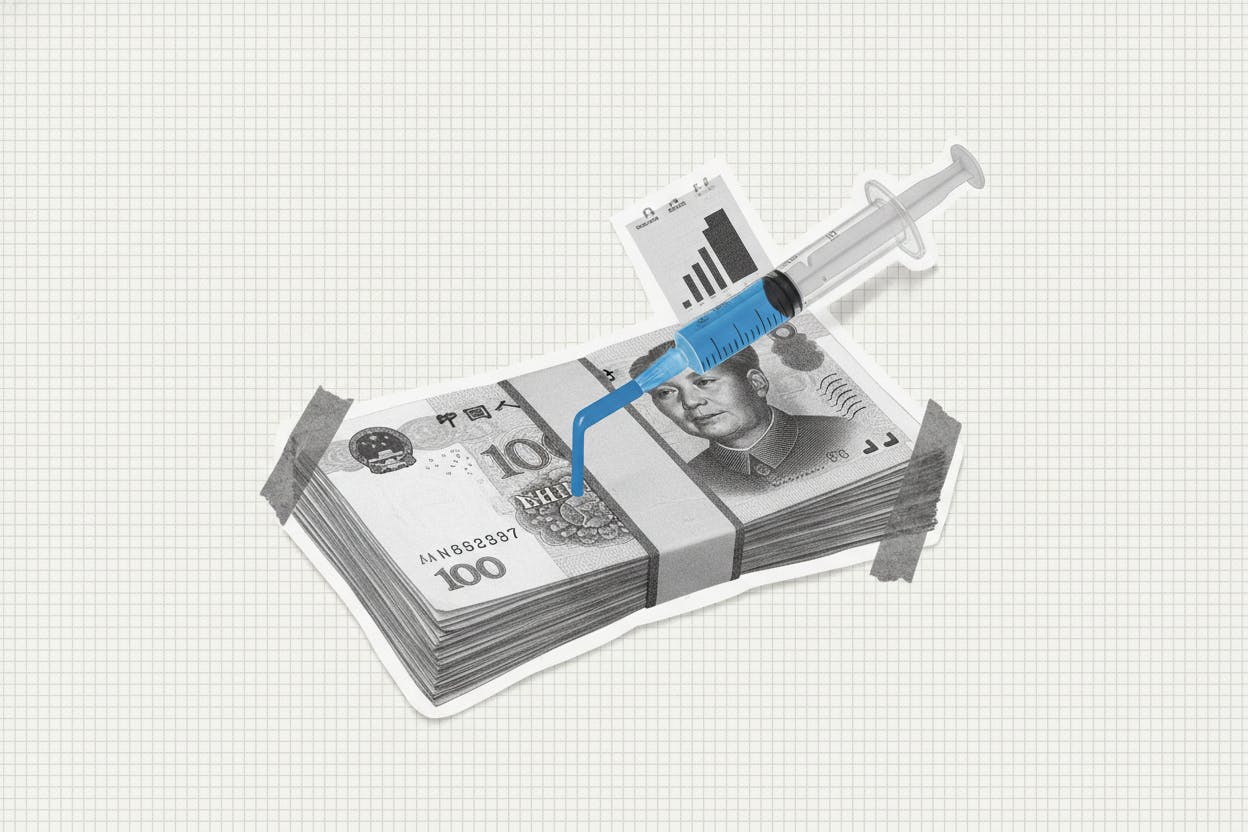
The World Bank is charting a gradual exit from new lending to China, proposing a cap of $2 billion on fresh financing that would wind down to zero by 2031. The plan, part of an updated five-year "partnership framework," reflects China's transformation from a development aid recipient into the world's second-largest economy, even as the Bank frames it as a "renewed relationship" rather than a breakup.
According to Reuters, the World Bank's board is expected to review the framework over a seven-day period starting July 20. No formal vote is required, but the review sets the direction for where the institution allocates its limited development funds and staff resources. The pullback is already well underway: annual lending to China has fallen to about $750 million in 2025, down from roughly $2.4 billion in 2017.
Why the World Bank Is Pulling Back
The World Bank's mission has long been to provide low-cost loans and grants to developing countries for projects that reduce poverty and promote shared prosperity. As China's economy has grown—now rivaling the United States in size—the rationale for continued large-scale lending has diminished. China's embassy in the U.S. told MT Newswires that the decline in lending has been gradual and tied to changing domestic demand, and that China remains open to working with the Bank on global challenges such as climate change and pandemic preparedness.
The shift also reflects a broader rebalancing within the World Bank. The institution has finite capital, risk limits, and staff capacity. Shrinking a very large country exposure like China frees up room to lend elsewhere and reduces concentration risk. However, it also means less interest income from Chinese loans, which helps cover the Bank's operating costs and supports lending to poorer countries. The new framework and the $2 billion cap move the phase-out toward 2031, giving both sides time to adjust.
What It Means for Investors
For everyday investors, the World Bank's move is not a direct market event like an earnings report or a rate cut, but it carries implications for global capital flows and development finance. The Bank's lending capacity is a form of development policy that runs through a real balance sheet. As it redirects resources away from China, other emerging markets—particularly in Africa, South Asia, and Latin America—could see increased access to World Bank loans. That could support infrastructure and economic growth in those regions, potentially creating opportunities for companies with exposure to those markets.
At the same time, the reduction in lending to China signals that the country is increasingly seen as a capital exporter rather than a borrower. This aligns with other trends, such as Australia's recent warning about China's state-backed iron ore buyer potentially pushing prices lower, highlighting China's growing influence in global commodity markets. Investors should watch how China's role evolves, as it could affect trade dynamics, commodity prices, and the investment landscape in emerging markets.
For the World Bank itself, the phase-out could lead to a leaner operation focused on the poorest countries. The Bank's ability to generate income from its loan portfolio is crucial for maintaining its AAA credit rating and low borrowing costs. A gradual reduction in Chinese lending, which has been a significant source of interest income, may require the Bank to adjust its financial model. However, the multi-year timeline provides ample room for planning.
Broader Context: Development Finance in Transition
The World Bank's move is part of a larger shift in development finance. China has become a major lender in its own right through institutions like the Asian Infrastructure Investment Bank and the Belt and Road Initiative, often offering loans on terms that compete with or differ from those of the World Bank. As China's economy matures, its demand for concessional financing from multilateral institutions naturally declines.
Investors should also note that the World Bank's decision comes amid a broader reassessment of global economic relationships. The EU's recent antitrust fine against Google and ongoing trade tensions between the U.S. and China underscore the complex geopolitical landscape. The World Bank's partnership framework is a small but telling piece of this puzzle, signaling that even multilateral institutions are adapting to a world where China is no longer a developing economy in the traditional sense.
For investors focused on emerging markets, the key takeaway is that the World Bank's resources are finite and their allocation matters. As the Bank pivots away from China, other countries may benefit from increased lending capacity. This could support infrastructure projects, improve credit profiles, and attract private investment in regions that have historically been underserved. While the direct impact on stock portfolios may be modest, the trend is worth monitoring for those with exposure to emerging market debt or equities.
In summary, the World Bank's plan to cap and phase out new lending to China is a strategic realignment that reflects China's economic ascent and the Bank's need to focus its resources on the poorest countries. The gradual timeline—stretching to 2031—gives all parties time to adapt, but the direction is clear: the era of large-scale World Bank lending to China is coming to an end.