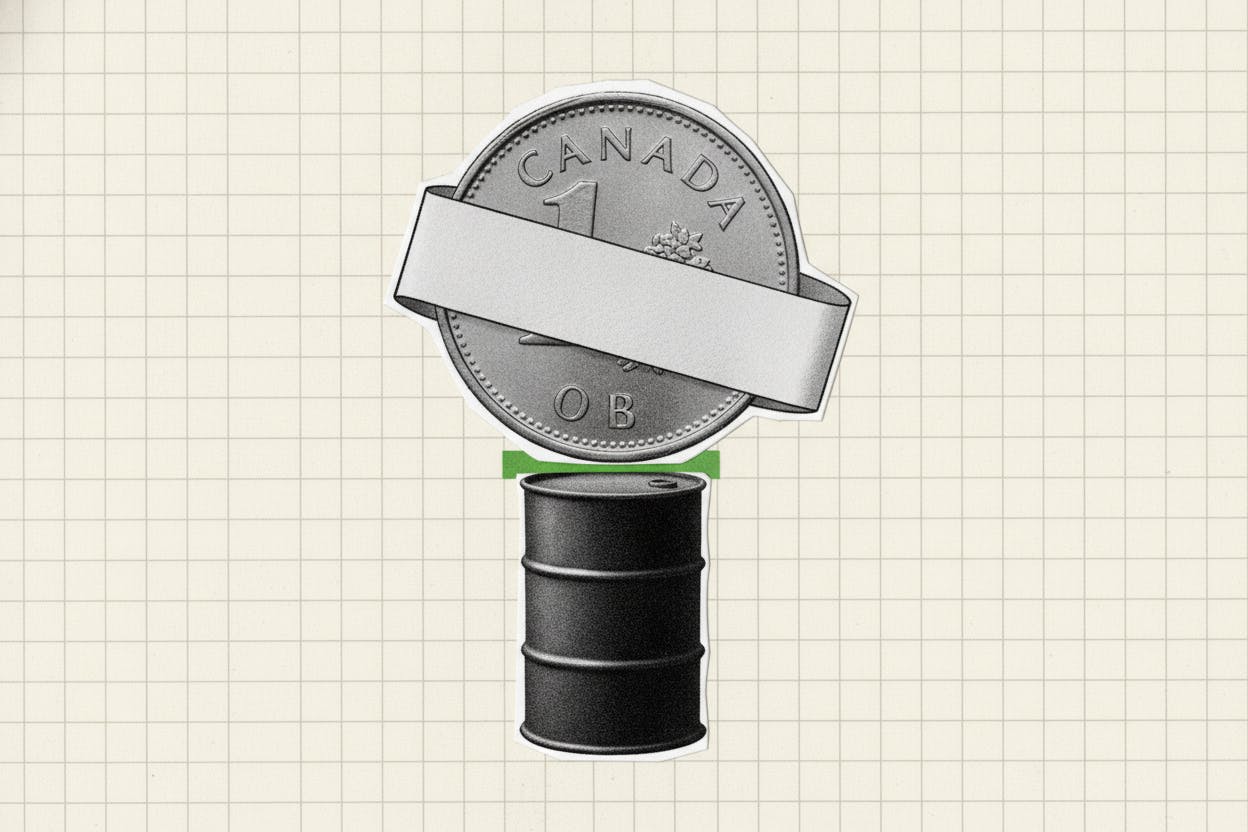
The Bank of Canada left its benchmark overnight rate at 2.25% on Wednesday, pausing its easing cycle as it weighed rising energy costs and new trade tensions against a still-slack economy. The decision was widely expected, but the central bank's accompanying statement carried a clear warning: higher oil prices and fresh US-Canada tariffs could push inflation higher and muddy the path to a sustained recovery.
For everyday investors, the hold means borrowing costs—from variable-rate mortgages to business loans—will stay where they are for now. But the central bank's caution suggests that further rate cuts are not guaranteed, and that the cost of living could remain sticky if energy and trade pressures persist.
Why the Bank of Canada paused
The Bank of Canada had been cutting rates over the past year to support an economy that was struggling with weak growth and cooling inflation. The overnight rate—the rate at which banks lend to each other overnight—is the main tool the central bank uses to influence borrowing costs across the economy. Lower rates typically encourage spending and investment, while higher rates aim to cool inflation.
By holding at 2.25%, the bank is signaling that it sees enough improvement to pause, but not enough to declare victory. In its statement, it noted that Canada's economy rebounded in the second quarter, helped by stronger consumer spending, firmer housing activity, and better exports and business investment. That is a more upbeat picture than earlier in the year, when growth had stalled.
However, the bank also pointed to lingering "excess supply" in the economy—a term that means there is more capacity than demand. When that happens, businesses have less pricing power, which tends to keep inflation low. That slack is one reason the bank may still consider further cuts later this year.
Tariffs and oil: a double-edged sword
The two biggest risks to the outlook are trade and energy. New US-Canada tariffs—imposed by Washington on Canadian goods—threaten to raise costs for exporters and consumers alike. Tariffs are taxes on imported goods, and when they are introduced, businesses often pass those costs on to buyers, which can push inflation up. They can also reduce demand for Canadian products, hurting growth.
At the same time, oil prices have climbed, partly due to shipping risks in the Strait of Hormuz, a key route for global crude. Higher energy prices are a mixed bag for Canada. As a major oil exporter, Canada benefits from higher revenues, but consumers and businesses face higher fuel and heating costs, which can feed into broader inflation.
The central bank's warning reflects this tension: higher oil prices could boost the economy in some regions, but they also complicate the inflation picture. If inflation stays above the bank's 2% target, it may be reluctant to cut rates further, even if growth remains soft.
What this means for investors
For investors, the hold is a signal that the Bank of Canada is in a wait-and-see mode. The Canadian dollar, or loonie, has been sensitive to trade news—recently, its rally stalled as US-Canada trade talks collapsed. A pause in rate cuts could support the currency, as higher rates tend to attract foreign capital. But if tariffs escalate and growth weakens, the bank may be forced to cut again, which could weigh on the loonie.
For bond investors, the outlook is uncertain. If inflation stays elevated, longer-term bond yields could rise, as investors demand higher compensation for the risk of eroding purchasing power. That would push bond prices down. Conversely, if the economy weakens and the bank cuts rates, yields could fall.
Equity investors should watch sectors that are sensitive to interest rates, such as housing and consumer discretionary. Lower rates tend to boost those areas, but the threat of tariffs and high energy costs could offset those gains. Meanwhile, energy stocks might benefit from higher oil prices, but they also face the risk of a global slowdown if trade tensions escalate.
Looking ahead
The Bank of Canada's next decision will depend on incoming data. Key indicators to watch include inflation reports, employment numbers, and trade data. The bank has said it will be "careful" in its approach, suggesting it wants to see how the tariff and energy shocks play out before moving again.
For now, the message is one of caution. The Canadian economy is improving, but the road ahead is clouded by external pressures. As factory growth has already cooled in response to tariff threats, the central bank's next move will likely hinge on whether those pressures ease or intensify.
Investors should also keep an eye on the broader global picture. Central banks around the world are grappling with similar trade-offs between inflation and growth. The Bank of Canada's decision is a reminder that in today's interconnected markets, energy prices and trade policy can shift the outlook quickly.