Boston Federal Reserve President Susan Collins said Tuesday that the central bank may need to raise interest rates again soon unless inflation shows clear and sustained signs of cooling. Her remarks, posted on the Boston Fed's website, come just days after July's consumer price data showed inflation easing to a four-month low.
Collins, who is not a voting member of the Fed's rate-setting committee this year, said she supported the central bank's decision to keep policy “mildly restrictive” at its last meeting. She believes that stance can still bring inflation back to the Fed's 2% target within a “reasonable” time — but only if the slowdown in price growth continues to show up in the data.
“If inflation does not show clear, sustained cooling, the Fed may need to tighten further,” she wrote, echoing a broader message from several Fed officials in recent weeks.
What's behind the warning?
The Federal Reserve has been wrestling with how to handle inflation that, while down from its peaks, remains above the central bank's 2% goal. After a series of aggressive rate hikes, the Fed has held rates steady at its last few meetings, hoping that higher borrowing costs would gradually cool demand and bring prices down.
July's consumer price index, released last week, showed inflation slowing to a four-month low, a welcome sign for policymakers. But Collins and others are wary of declaring victory too early. They want to see that improvement persist over several months, not just a single report.
Collins's comments align with a cautious tone struck by other Fed officials. Some have warned that if inflation proves sticky, additional rate increases could be necessary. Others have argued that the current level of rates is already restrictive enough to do the job. The debate is central to the Fed's next policy meeting, scheduled for September.
What it means for investors
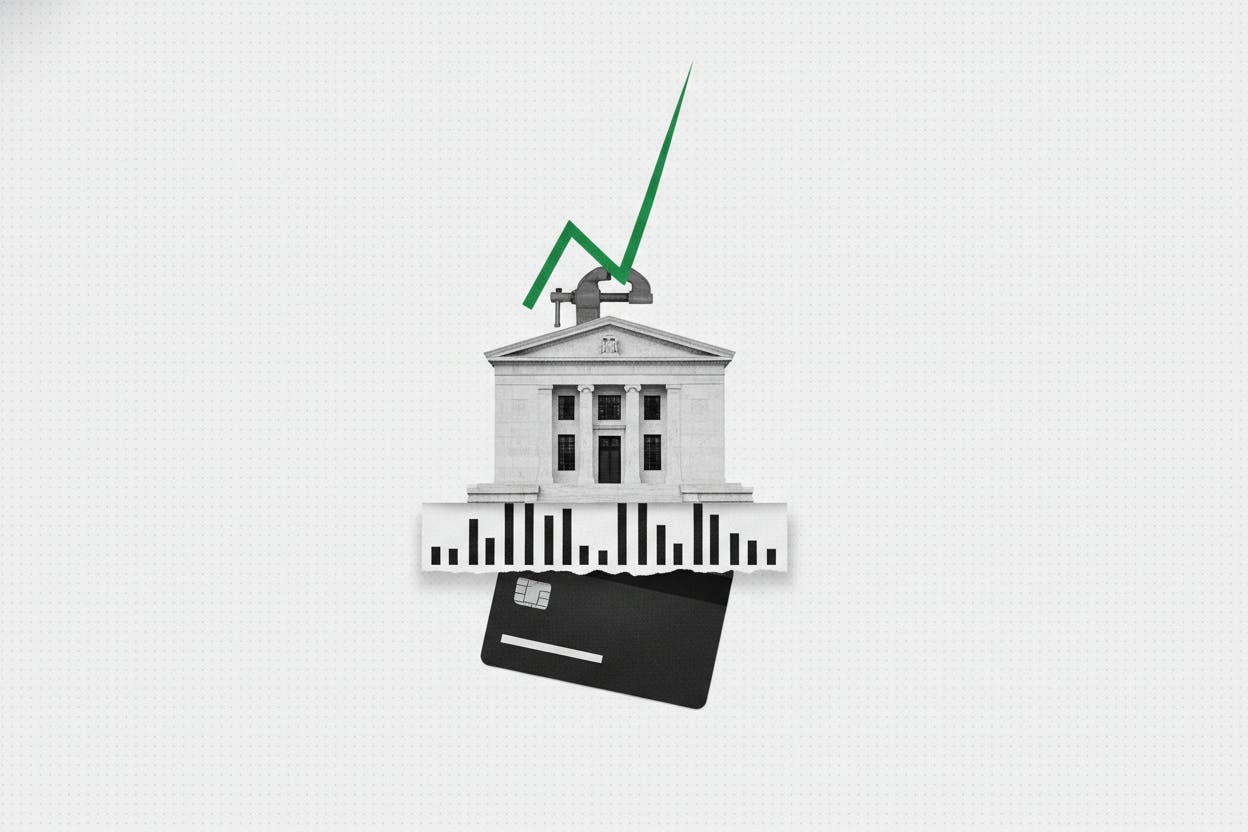
For everyday investors, the prospect of another rate hike carries real consequences. Higher interest rates tend to push bond yields up and can weigh on stock prices, particularly for growth-oriented companies that rely on future earnings. They also make borrowing more expensive for mortgages, auto loans, and credit cards.
The good news, according to Collins, is that the current “mildly restrictive” policy may still be enough to guide inflation back to target without causing a severe economic downturn. That would be a best-case scenario for markets: inflation cools, the Fed stops hiking, and the economy keeps growing.
But the risk is that inflation stalls at a level above 2%, forcing the Fed to act again. That scenario could reignite market volatility, as investors adjust to the reality of higher-for-longer rates. Recent data on consumer confidence already shows that inflation worries are weighing on households, which could slow spending and economic growth.
How to read the signals
Investors should watch upcoming inflation reports and comments from Fed officials for clues about the next move. If price data continues to cool, the case for another hike weakens. If inflation surprises to the upside, markets may start pricing in a rate increase.
Collins's lack of a vote this year means her influence is limited, but her remarks still matter because they reflect the thinking within the Fed's broader leadership. When officials who aren't voting speak, they often signal the direction of the debate.
The Fed's next policy decision is expected in September. Until then, markets will be parsing every data point and every speech for hints. For investors, the key takeaway is that the path of interest rates remains uncertain, and that uncertainty itself can drive market moves.
In the meantime, other central banks are facing similar choices. For example, the Riksbank recently held rates but signaled possible future hikes, while Hungary cut rates as its inflation cooled. These diverging paths highlight how each economy is grappling with its own inflation dynamics.
For now, Collins's message is a reminder that the fight against inflation is not over. Investors should stay informed and be prepared for either outcome: a pause that supports markets, or a hike that could test them.