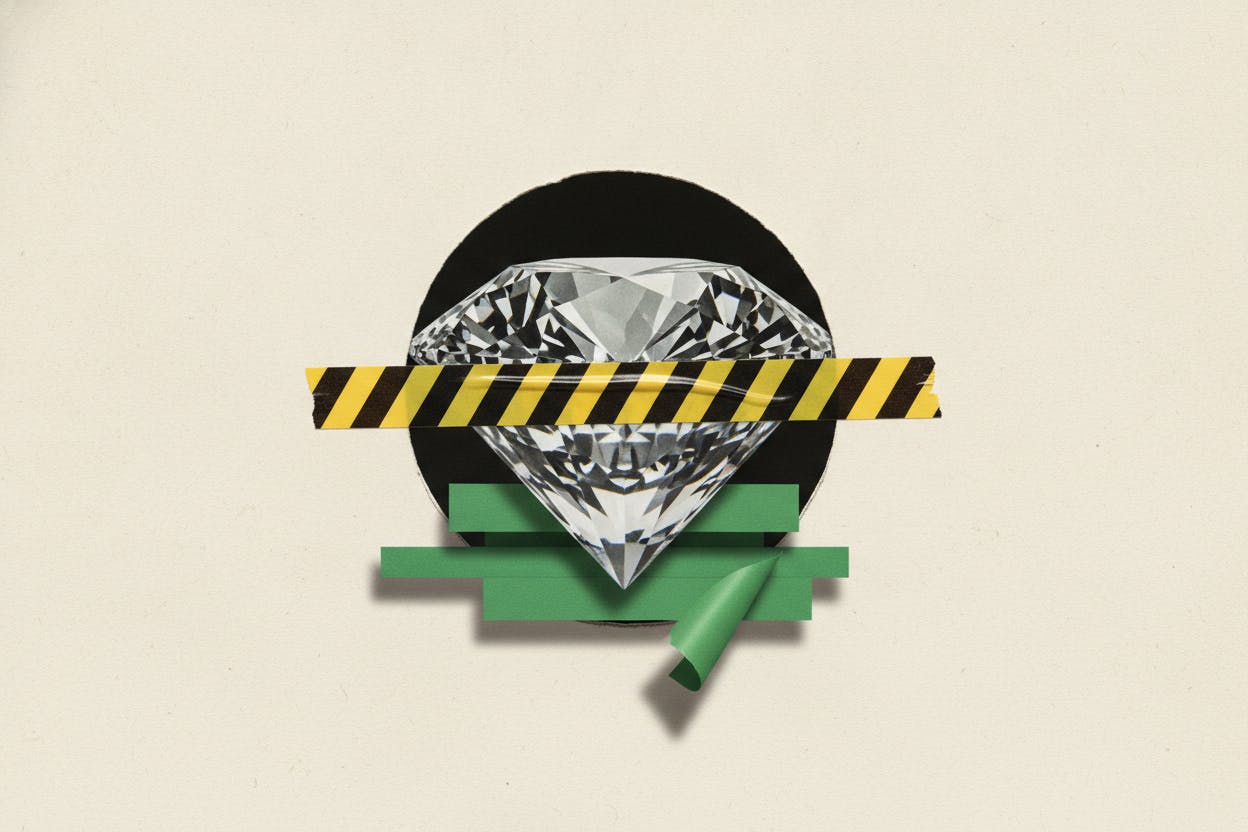
De Beers has announced it will pause production at Venetia, South Africa's largest diamond mine by value, for two years as weak demand for rough diamonds forces the company to cut costs. The halt, which affects a mine that produced 2.23 million carats in 2025—about 10.3% of the group's total rough output—underscores the ongoing slump in the global diamond market.
Why Venetia Matters
Venetia is a critical asset for De Beers, not just for its output but for its economic footprint. The mine supports roughly 4,400 jobs, and the two-year pause puts thousands of those positions at risk. The decision also has major implications for the company's capital spending. De Beers said it will reduce and delay parts of Venetia's $2.3 billion underground project, which only began production in July 2023 after the open pit closed in December 2022. The company will still fund enough infrastructure to restart quickly if demand improves, but the slowdown signals a cautious approach to investment in a weak market.
The broader diamond industry has been under pressure for months, with rough diamond prices falling as consumer demand, particularly in key markets like China and the U.S., remains subdued. Economic uncertainty and changing consumer preferences, including the rise of lab-grown diamonds, have also weighed on the sector. For context, De Beers' parent company, Anglo American, has been navigating a challenging environment, and the Venetia halt is part of a wider cost-cutting drive.
What It Means for Investors
For everyday investors, the Venetia pause is a reminder of how cyclical the diamond industry can be. When demand for luxury goods weakens, miners like De Beers are forced to scale back production to protect margins. The two-year halt means De Beers will produce fewer rough diamonds, which could eventually help support prices if supply tightens. However, the immediate impact is a hit to revenue and a delay in the return on the massive underground investment.
Investors should also watch how this affects Anglo American's broader strategy. The company has been under pressure to streamline operations and reduce debt, and the Venetia pause fits that narrative. Meanwhile, the diamond market's recovery depends on a rebound in consumer spending, particularly in Asia. For those tracking broader economic trends, the slowdown in China's economy—highlighted by recent GDP and trade data—could be a key factor in how quickly demand returns.
The halt also has implications for South Africa's economy, which is already facing headwinds from global trade tensions and currency volatility. The rand has been under pressure, and any disruption to a major employer like Venetia adds to the country's economic challenges. Investors with exposure to South African assets should consider the broader risks, including potential oil shocks and geopolitical tensions that could further strain the economy.
Looking Ahead
De Beers' decision to pause Venetia is a defensive move, but it also leaves the company positioned to restart quickly if demand picks up. The underground project, while delayed, remains a long-term bet on the diamond market's eventual recovery. For now, the focus is on cost control and preserving cash. Investors should keep an eye on rough diamond prices and consumer spending data for signs of a turnaround. Until then, the diamond industry remains in a holding pattern.