Eurozone inflation nudged higher in July, driven by a renewed pickup in energy costs, keeping the European Central Bank (ECB) firmly on track for another interest rate increase next month.
The latest flash estimate from Eurostat put consumer-price inflation at 2.9% year over year, up from 2.8% in June. That's still well below the peak of over 10% seen in late 2022, but it marks a second straight monthly rise after a period of cooling.
Core inflation also surprises to the upside
Underlying price pressures also proved stickier than expected. Core inflation, which strips out volatile energy, food, alcohol, and tobacco, rose to 2.5% from 2.4% in June, coming in above forecasts. On a monthly basis, core prices were flat, but the annual rate still climbed.
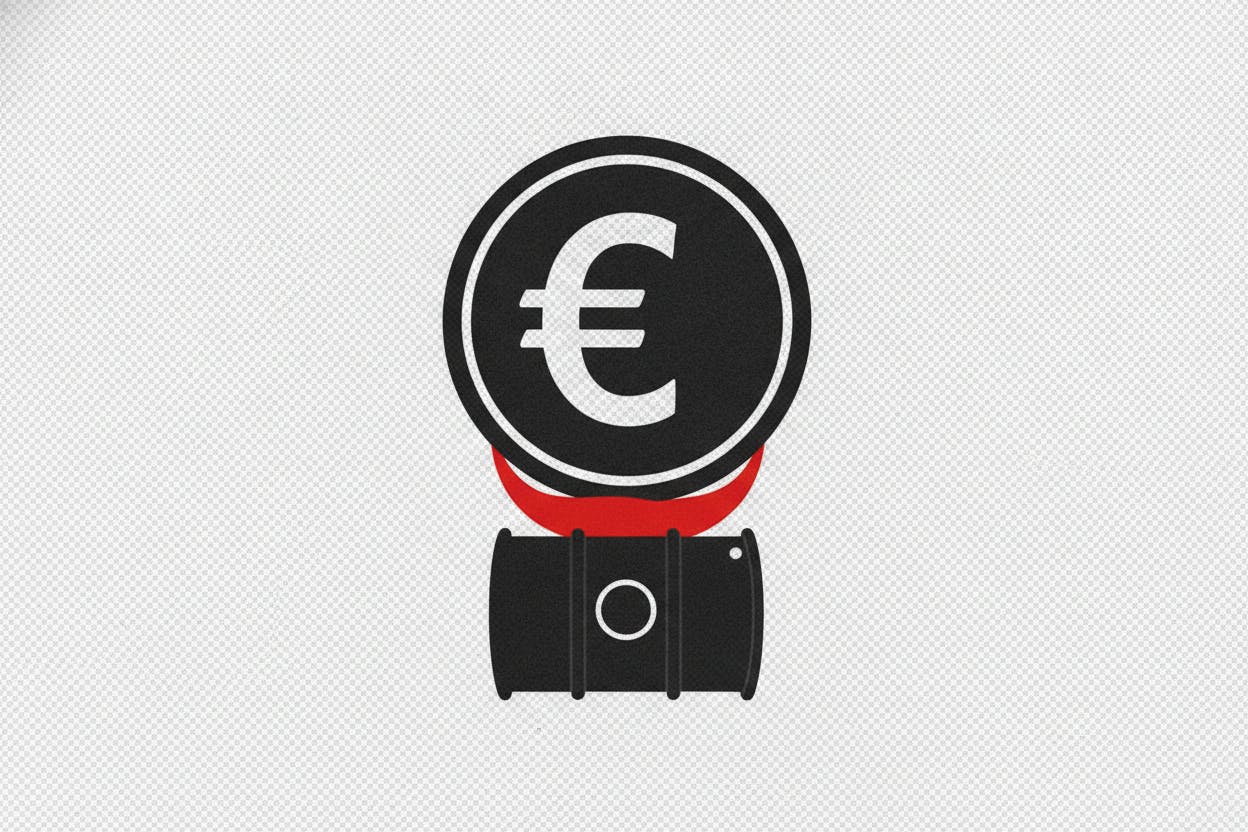
The standout driver was energy. Its inflation rate accelerated to 10% from 8.5% in June, reflecting higher oil and gas prices. Food inflation, by contrast, continued to cool, and other categories edged up only modestly.
ING, a Dutch bank, warned that August inflation could be “significantly higher” if oil prices keep climbing. That warning underscores how sensitive the inflation picture remains to energy markets, which have been volatile amid geopolitical tensions and supply concerns.
What this means for the ECB and your money
For everyday investors, the key takeaway is that the ECB is widely expected to raise its key interest rate again at its September meeting. The central bank has been on a tightening path for over a year, pushing rates higher to bring inflation back to its 2% target.
Another hike would mean higher borrowing costs for households and businesses across the eurozone, which can weigh on economic growth and corporate profits. It also affects bond yields: when central banks raise rates, government bond prices typically fall, pushing yields up. That can make fixed-income investments more attractive relative to stocks, but it also raises the cost of debt for companies.
For investors holding European equities, the prospect of higher rates for longer could keep a lid on valuations, especially for growth stocks that are sensitive to discount rates. Banks, on the other hand, often benefit from higher interest margins.
The inflation data also has implications for currency markets. A more hawkish ECB tends to support the euro, which can affect exporters and multinational companies that earn revenue in other currencies.
Broader context: a global inflation story
The eurozone is not alone in seeing inflation tick up. Similar dynamics are playing out elsewhere. For instance, Tokyo inflation also ticked higher, keeping the Bank of Japan focused on potential rate moves. And in the UK, business confidence has risen as energy costs eased after a ceasefire in the Middle East, but the picture remains fragile.
Energy prices are a common thread. Oil and gas costs have been volatile, and any sustained rise can quickly feed through to consumer prices. That's why investors are watching commodity markets closely, as well as central bank communications.
For now, the ECB's path seems clear: another hike in September is largely priced in by markets. The bigger question is what happens after that. If inflation continues to surprise to the upside, the central bank may have to keep rates higher for longer, which would extend the period of tight financial conditions.
What investors should watch next
In the coming weeks, watch for the final inflation reading, which could be revised, as well as any commentary from ECB officials. Also keep an eye on oil prices, as ING's warning suggests August data could be even hotter.
For those with exposure to European assets, it's worth remembering that central bank policy is a powerful force. Higher rates can cool inflation, but they also slow the economy. The balancing act is delicate, and the data will determine how far the ECB goes.
As always, diversification remains a sensible strategy. No one knows exactly where inflation or rates will go next, but being prepared for different scenarios is a prudent approach for any investor.