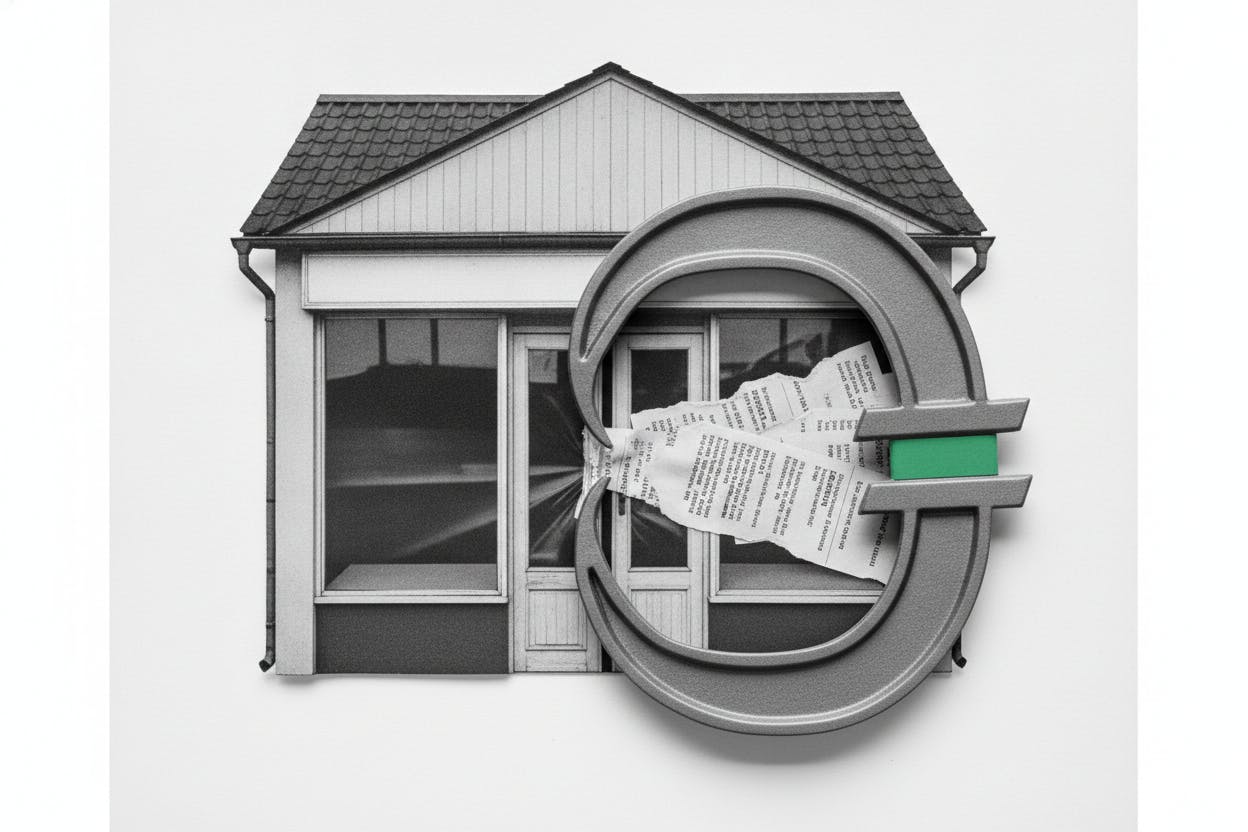
German retailers are feeling the pinch from both sides: costs are climbing while shoppers hold back on spending. A new survey from the German Retail Association (HDE) paints a grim picture, with nearly half of companies rating their current situation as poor and a majority expecting sales to fall this year.
The HDE, an industry lobby group representing retailers across Germany, surveyed 600 retail companies. The results show that 42% of respondents describe current business conditions as poor, and almost two-thirds (65%) expect sales for the full year to come in below 2025 levels. Only 18% of retailers see any sales growth ahead.
The pain is already showing up in profits. According to the survey, 69% of retailers reported that earnings were lower than in the same period a year earlier. HDE president Alexander von Preen compared the current mood to the atmosphere during Germany's second coronavirus lockdown, underscoring the severity of the downturn.
Why Retailers Are Struggling
The problem is a classic squeeze: input costs—including energy, rent, and wages—are rising, but retailers cannot easily pass those costs on to customers. With consumer confidence weak and competition fierce, raising prices risks driving shoppers away. That leaves retailers with little room to protect margins.
This dynamic is not unique to Germany. In the US, similar pressures have led retailers to rely on discounts to drive same-store sales growth, even as consumer-focused ETFs slip. Meanwhile, changing consumer habits, such as the impact of GLP-1 drugs on eating patterns, have forced companies like PepsiCo to cut prices without boosting snack sales.
In Germany, the HDE is focusing its lobbying efforts on labor costs. The association is urging policymakers to cap non-wage labor costs—such as payroll taxes and social security contributions—at 40% of gross wages. It is also warning against restrictions on "mini-jobs," Germany's system of low-hours, low-earnings roles that many retailers rely on for flexible staffing.
What It Means for Investors
For investors, the HDE survey signals that the German retail sector is under significant strain, which could weigh on the broader economy. Retail is a key component of consumer spending, and a prolonged downturn could ripple through supply chains and commercial real estate.
The focus on labor costs is particularly important. Non-wage labor costs make each additional hour of work more expensive than the paycheck alone. When sales are stagnant, retailers often respond by cutting hours, reducing headcount, or accelerating automation—such as self-checkout systems. If mini-jobs are restricted at the same time, stores lose a key flexibility tool, potentially leading to shorter opening hours and thinner in-store service.
These adjustments can affect not only retailers' profitability but also the broader labor market. Mini-jobs are often held by students, retirees, or people seeking side income. Restrictions could reduce opportunities for these groups, while higher labor costs could push more retailers toward automation.
The HDE's call for a cap on non-wage costs is a direct appeal to policymakers, but it also highlights a structural challenge: in a low-growth environment, labor-intensive industries like retail are particularly vulnerable to cost increases. Investors should watch for any policy changes in Germany, as well as for signs of whether consumer spending stabilizes or deteriorates further.
Globally, similar trends are playing out. In New Zealand, business confidence has rebounded as fuel costs ease, but the central bank continues tightening. In the US, rising bond yields are pressuring risk assets, including stocks and crypto, as investors weigh the impact of higher borrowing costs on consumer spending.
For now, the message from German retailers is clear: costs are up, sales are down, and the squeeze is likely to continue unless something changes. Investors should keep an eye on consumer confidence data, retail earnings reports, and any policy moves from Berlin that could ease the burden on the sector.