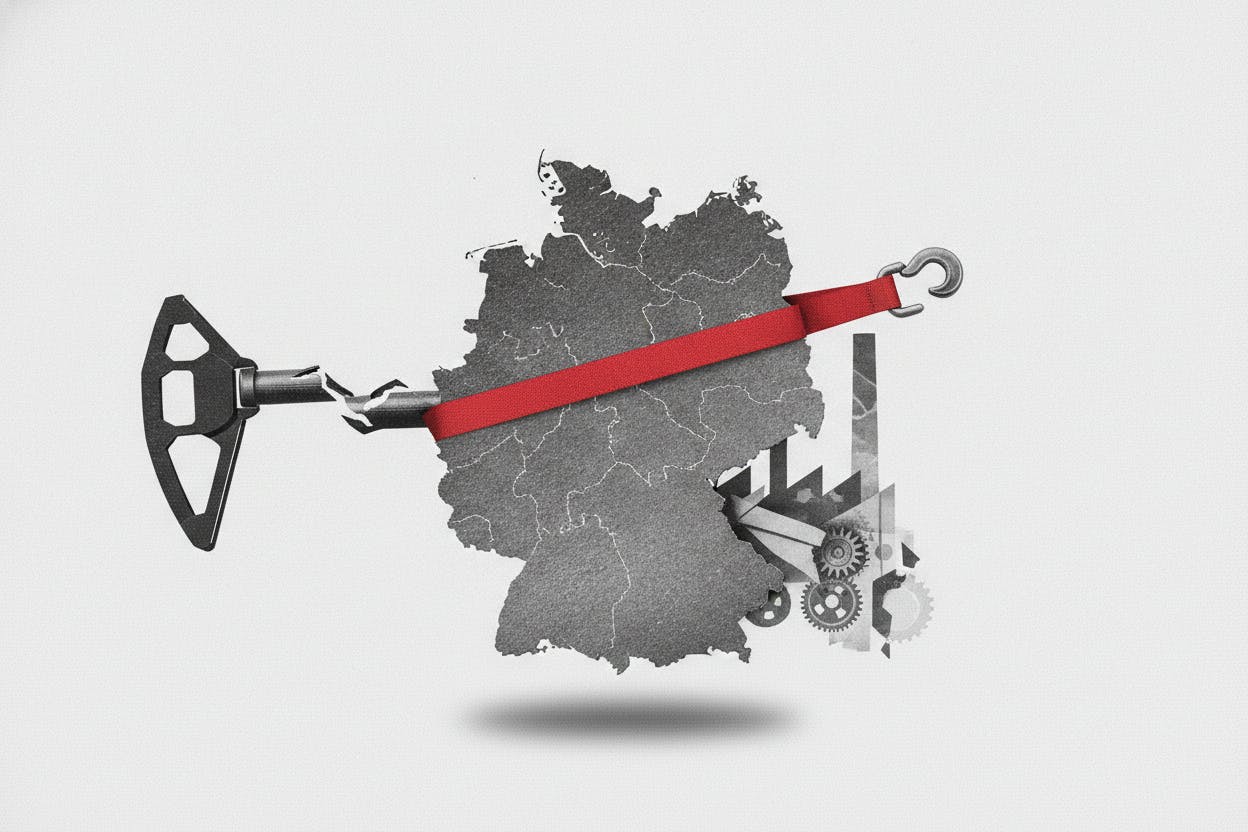
Germany's economy grew slightly faster than initially reported in the second quarter, offering a modest bright spot for Europe's largest economy. Gross domestic product (GDP) expanded by 0.3% compared with the previous three months, up from the earlier estimate of 0.2%, according to revised data. The upward revision was driven largely by exports, which carried the economy even as higher energy prices cast a shadow over the outlook.
What happened?
The 0.3% quarter-on-quarter growth marks a pickup from the first quarter, when the economy stagnated. The main engine was foreign demand: German exporters shipped more goods abroad, helping to offset weakness in domestic consumption and investment. This is a familiar pattern for Germany, which has long relied on its manufacturing and export sectors as key growth drivers.
However, the report also flagged a growing concern: energy prices. After a period of relative calm, energy costs have been creeping higher, squeezing households and businesses. For a country that is heavily dependent on energy imports, rising prices can quickly translate into higher production costs and weaker consumer spending.
Why it matters
Germany's economy is often seen as a bellwether for the wider European region. When Germany sneezes, the rest of Europe tends to catch a cold. So the better-than-expected GDP figure is a welcome sign, but it is not a reason for celebration. The growth was narrow—exports did the heavy lifting—and the energy price headwind could slow momentum in the coming quarters.
For investors, the data offers a mixed picture. On one hand, a resilient German economy supports corporate earnings, particularly for exporters. On the other hand, the reliance on exports makes Germany vulnerable to global trade slowdowns and currency fluctuations. The recent strength in Asian currencies and rising producer prices are reminders that global conditions are far from smooth.
Energy prices: the elephant in the room
Energy costs have been a recurring theme for the German economy since the pandemic and the conflict in Ukraine. Higher energy prices can feed through to inflation, which in turn affects interest rates and consumer confidence. The European Central Bank (ECB) has been navigating this tricky environment, trying to bring inflation down without choking off growth.
If energy prices continue to climb, they could erode the export-led gains seen in Q2. German manufacturers, especially in energy-intensive industries like chemicals and metals, are particularly sensitive to these costs. The ongoing debate about corporate governance and takeovers in Germany also highlights the broader challenges facing the country's business landscape.
What it means for investors
For everyday investors, the key takeaway is that Germany's economy is holding up better than feared, but the path ahead is uncertain. The GDP revision is a positive surprise, but it does not change the fundamental picture: growth is modest, and risks are tilted to the downside.
Investors with exposure to German stocks or European funds might see this as a mild positive, but they should keep an eye on energy prices and global trade dynamics. The earnings season will offer clues about how companies are coping with these pressures.
It's also worth remembering that GDP data is backward-looking. The second quarter is already in the rearview mirror. What matters now is whether the momentum can be sustained. With energy prices rising and global demand uncertain, many economists expect Germany to grow only slowly in the second half of the year.
The bigger picture
Germany's performance is part of a broader European story. The UK recently revised its growth figures upward, and other economies are showing resilience. But the region as a whole faces headwinds from high interest rates, weak manufacturing, and geopolitical tensions.
For now, the Q2 GDP revision is a small victory. It shows that Germany's export machine still has some horsepower. But the energy price cloud means the engine could sputter in the months ahead. Investors should watch for further data on inflation, producer prices, and trade flows to gauge whether this growth is sustainable.
As always, diversification remains a prudent strategy. No single economy or sector should dominate a well-balanced portfolio. The German data is one piece of the puzzle, not the whole picture.