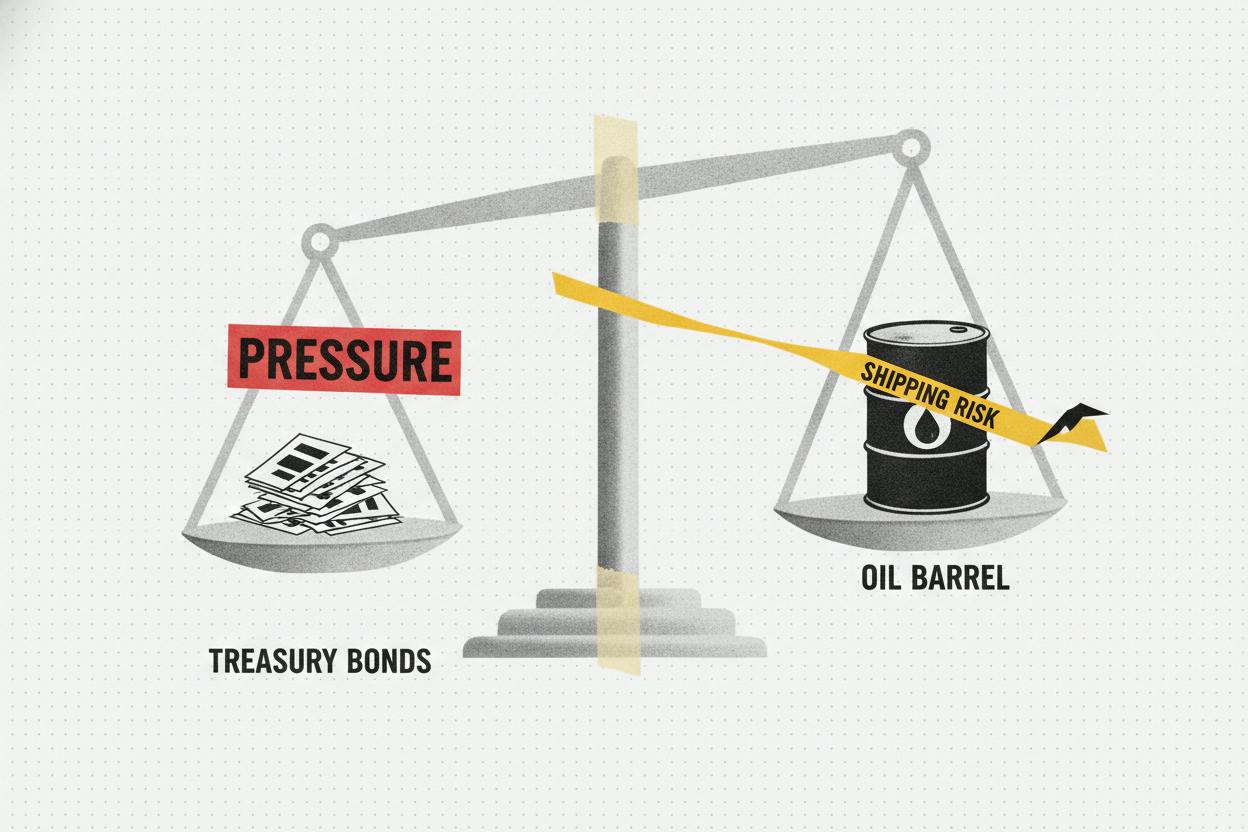
Global stock markets held their ground on [day] as investors turned their attention to upcoming US inflation data, with AI-linked technology shares stabilizing after recent volatility and Treasury yields easing. At the same time, oil prices remained elevated, with Brent crude hovering near $106.5 a barrel, as shipping risks in the Strait of Hormuz kept energy markets on edge.
What's driving the calm?
The relative steadiness in equities comes after a period of turbulence, particularly in the technology sector. AI-related stocks, which had been under pressure amid concerns about excessive spending on artificial intelligence infrastructure, found their footing. This stabilization helped lift sentiment across Asian and European markets, with indices like the Nikkei and KOSPI showing resilience. As noted in recent coverage of the Nikkei, chip stocks have been a key focus, and their recovery is being closely watched.
Treasury yields also eased, providing some relief to growth-oriented stocks. Lower yields reduce the discount rate applied to future earnings, making equities—especially those with longer-duration cash flows like tech—more attractive. This dynamic has been central to the market's recent swings, as investors weigh the sustainability of AI-driven earnings against rising borrowing costs.
The oil factor: Strait of Hormuz risks
Brent crude's persistence near $106.5 reflects ongoing geopolitical tensions in the Middle East, particularly around the Strait of Hormuz—a critical chokepoint for global oil shipments. Any disruption there could have significant implications for energy prices and, by extension, inflation. While shipping risks have not yet materialized into major supply outages, the mere threat is enough to keep a risk premium embedded in oil prices.
For investors, elevated oil prices are a double-edged sword. On one hand, they boost energy sector earnings. On the other, they feed into broader inflationary pressures, which could prompt central banks to keep interest rates higher for longer. This is why the upcoming US Consumer Price Index (CPI) report is so closely watched—it will provide clues on whether inflation is cooling enough to allow for rate cuts later this year.
What it means for investors
The current market calm should not be mistaken for complacency. The CPI print has the potential to move markets significantly. A hotter-than-expected reading could reignite fears of sticky inflation, pushing yields higher and pressuring equities, particularly high-valuation tech names. Conversely, a cooler number could reinforce expectations of policy easing, providing a tailwind for stocks.
For everyday investors, this environment underscores the importance of diversification. While AI and tech stocks have been market leaders, their sensitivity to interest rates and sentiment makes them volatile. Meanwhile, energy stocks offer a hedge against geopolitical risks but come with their own uncertainties. As copper markets have shown, commodity prices are also reacting to a mix of supply disruptions and macroeconomic signals.
Investors should also keep an eye on regional divergences. For instance, Chinese stocks have slipped as the IMF trimmed its 2026 growth forecast, while Korea's KOSPI has fallen for six straight days as chip stocks reversed. These moves highlight how global markets are interconnected, yet each region faces its own set of challenges.
Looking ahead
Beyond the CPI release, investors will be monitoring corporate earnings, central bank commentary, and any developments in the Middle East. The AI investment cycle remains a major theme, with questions about whether the massive capital expenditures by tech giants will translate into sustainable profits. As recent reports from Hong Kong suggest, skepticism is growing, and any signs of weakness could trigger renewed selloffs.
In the meantime, the market's ability to hold steady in the face of multiple uncertainties is a positive sign, but it also means that the next catalyst—whether it's inflation data, an oil shock, or an earnings surprise—could set the tone for the weeks ahead. For now, patience and a focus on fundamentals remain prudent strategies.