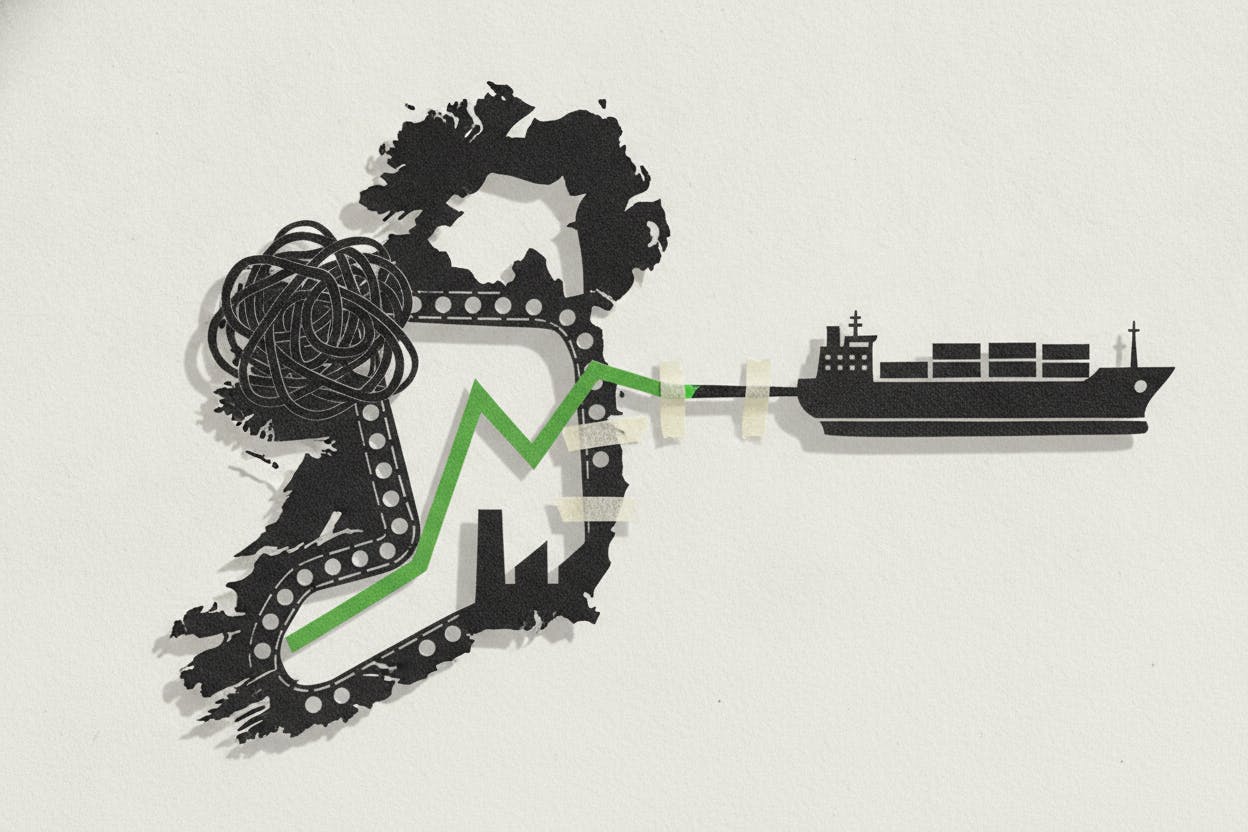
Ireland's factories ended the summer on a strong note. The latest AIB manufacturing Purchasing Managers' Index (PMI) rose to 55.4 in August, up from 55.1 in July. That marks the highest reading in nearly four years and signals that the sector is firmly in expansion mode.
The PMI is a closely watched gauge of business conditions. A reading above 50 indicates that the manufacturing economy is growing, while a figure below 50 points to contraction. At 55.4, the survey suggests that Irish manufacturers are seeing solid demand and increasing activity.
The standout detail in the August report was new orders. According to AIB, new orders grew at their fastest pace since April 2022. That surge in demand is a positive sign for the months ahead, as it often translates into higher production and employment down the line.
What's driving the growth?
The pickup in new orders suggests that both domestic and international customers are stepping up their purchasing. While the report does not break down the sources of demand, a broad-based improvement in order books is typically a healthy sign for a manufacturing sector that relies heavily on exports.
Ireland's manufacturing base is diverse, ranging from pharmaceuticals and medical devices to technology and food processing. Many of these industries have been resilient even as the global economy has faced headwinds from high interest rates and slowing growth in key markets like Europe and China.
The August PMI reading aligns with a broader trend of resilience in European manufacturing, though the picture is mixed. For instance, South Korea's factory growth cooled in August, but export orders there remained strong, highlighting the uneven nature of global demand.
Middle East tensions cast a shadow
Not everything is smooth sailing. The report notes that Middle East tensions are having an impact on trade. Specifically, exports are being slowed, and delivery times are lengthening. This is a reminder that geopolitical risks can ripple through supply chains, even for a country like Ireland that is geographically far from the conflict.
Longer delivery times can be a double-edged sword. On one hand, they can signal that suppliers are struggling to keep up with demand. On the other, they can lead to higher costs and delays that eat into profit margins. For manufacturers, this is a factor to watch closely in the coming months.
The situation in the Middle East has been a recurring theme in global trade discussions. Disruptions to shipping routes, such as those in the Red Sea, have forced many companies to reroute cargo, adding time and expense. While the brief does not specify the exact nature of the disruptions, the impact on Irish manufacturers is clear.
What it means for investors
For investors, the PMI reading is a useful barometer of economic health. A strong manufacturing sector often translates into better corporate earnings and can support the broader stock market. Companies with significant operations in Ireland, such as those in the pharmaceutical and tech sectors, may benefit from the positive momentum.
However, the report also serves as a cautionary note. The slowdown in exports and longer delivery times highlight the fragility of global supply chains. Investors should keep an eye on how geopolitical tensions evolve, as they could affect not just Irish manufacturers but also companies worldwide.
The PMI data also comes at a time when central banks are closely watching economic indicators. In the United States, for example, the upcoming jobs report is expected to influence the Federal Reserve's next move on interest rates. The August jobs report will be key in determining whether the labor market is cooling enough to warrant a rate cut. Strong economic data, like the Irish PMI, can sometimes signal that the global economy is more resilient than expected, which might affect central bank decisions.
Closer to home, the European Central Bank is also grappling with inflation. France and Spain saw inflation rise in August, which could keep the ECB on a path of further rate hikes. Higher interest rates can dampen economic activity, but a robust manufacturing sector may help offset some of that drag.
For everyday investors, the key takeaway is that Ireland's factories are in good shape, but the global environment remains uncertain. Diversification across sectors and regions can help manage risks associated with geopolitical events and supply chain disruptions.
As always, it's important to focus on long-term fundamentals rather than reacting to a single month's data. The PMI is just one indicator, but it does provide a snapshot of the economic landscape that can inform investment decisions.