Morocco's economy is still riding the wave of its 2030 World Cup preparations, but the pace is set to moderate. The World Bank projects growth will ease to 4.2% in 2026, down from last year's 4.9% expansion, as a massive infrastructure push meets rising energy costs and persistent drought risks.
World Cup Spending Lifts Domestic Demand
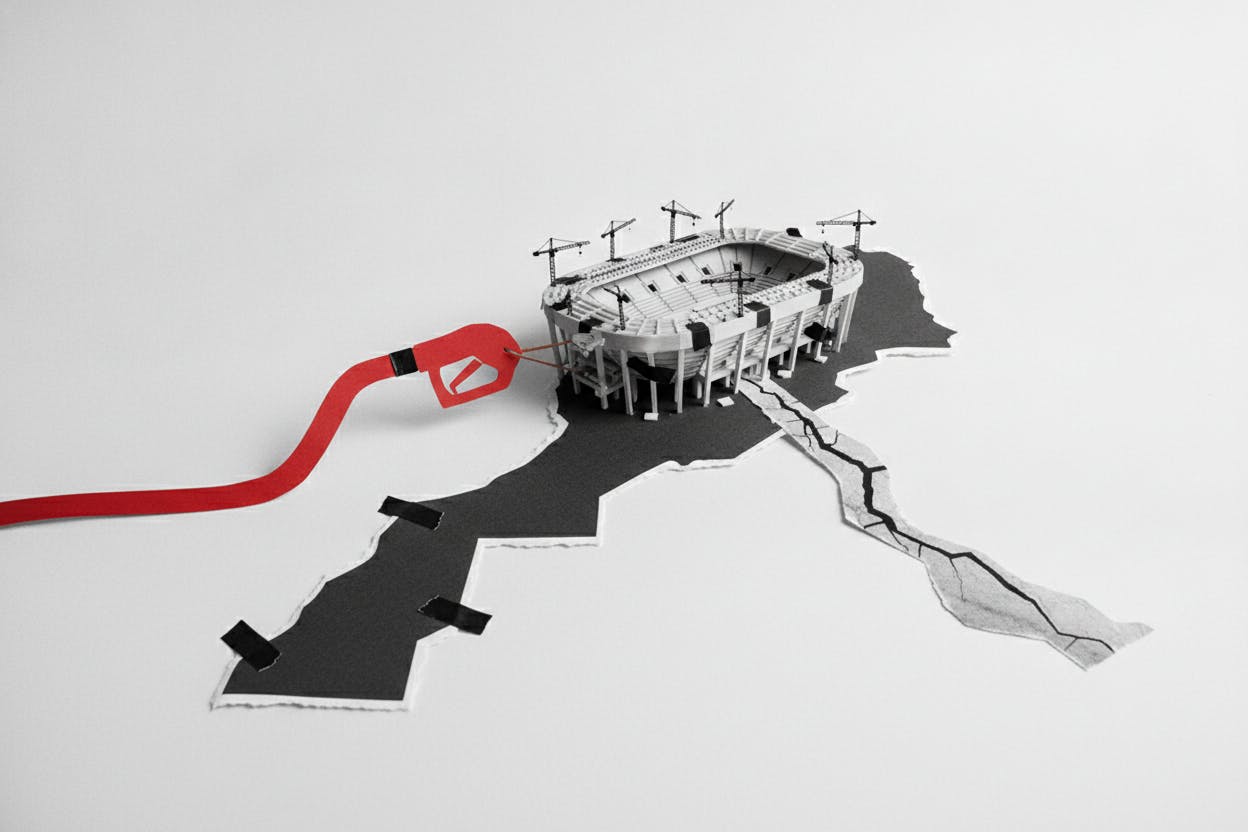
The government is pouring more than 190 billion dirhams ($20 billion) into rail, roads, airports, stadiums, and city upgrades for the tournament Morocco will co-host with Spain and Portugal. That investment wave has been a key driver of economic activity, supporting construction, services, and related industries.
The World Bank attributes last year's stronger growth to two main factors: heavy spending on World Cup-related infrastructure and a better agricultural season. Agriculture is a significant part of Morocco's economy, and a good harvest can lift rural incomes and overall demand. However, the sector remains vulnerable to weather, and drought remains a recurring threat.
Headwinds from Energy Costs and Climate Risks
Morocco imports most of its energy, making it sensitive to global oil and gas prices. Higher energy costs can squeeze household budgets and raise production costs for businesses, dampening economic momentum. The World Bank's forecast reflects these pressures, alongside the risk of another dry spell that could hurt agricultural output.
The combination of strong domestic demand from infrastructure spending and external headwinds creates a mixed picture. While the World Cup buildout provides a solid foundation for growth, the economy faces challenges that could slow the pace. Investors should watch energy price trends and rainfall patterns as key indicators for Morocco's near-term outlook.
What It Means for Investors
For everyday investors, Morocco's growth story highlights the potential of infrastructure-driven economies. The World Cup spending is a clear catalyst, but it also comes with risks tied to global commodity prices and climate. Diversification remains important, as no single factor guarantees sustained growth.
Morocco's situation is not unique. Other economies, like Germany and France, have also faced energy cost pressures that weigh on business activity. Similarly, Japan has seen factory growth hold up despite global uncertainties. These examples show how energy prices and geopolitical risks can affect different markets in different ways.
The World Bank's forecast serves as a reminder that even strong growth stories can face headwinds. For investors, understanding the balance between local catalysts and global risks is key to making informed decisions.