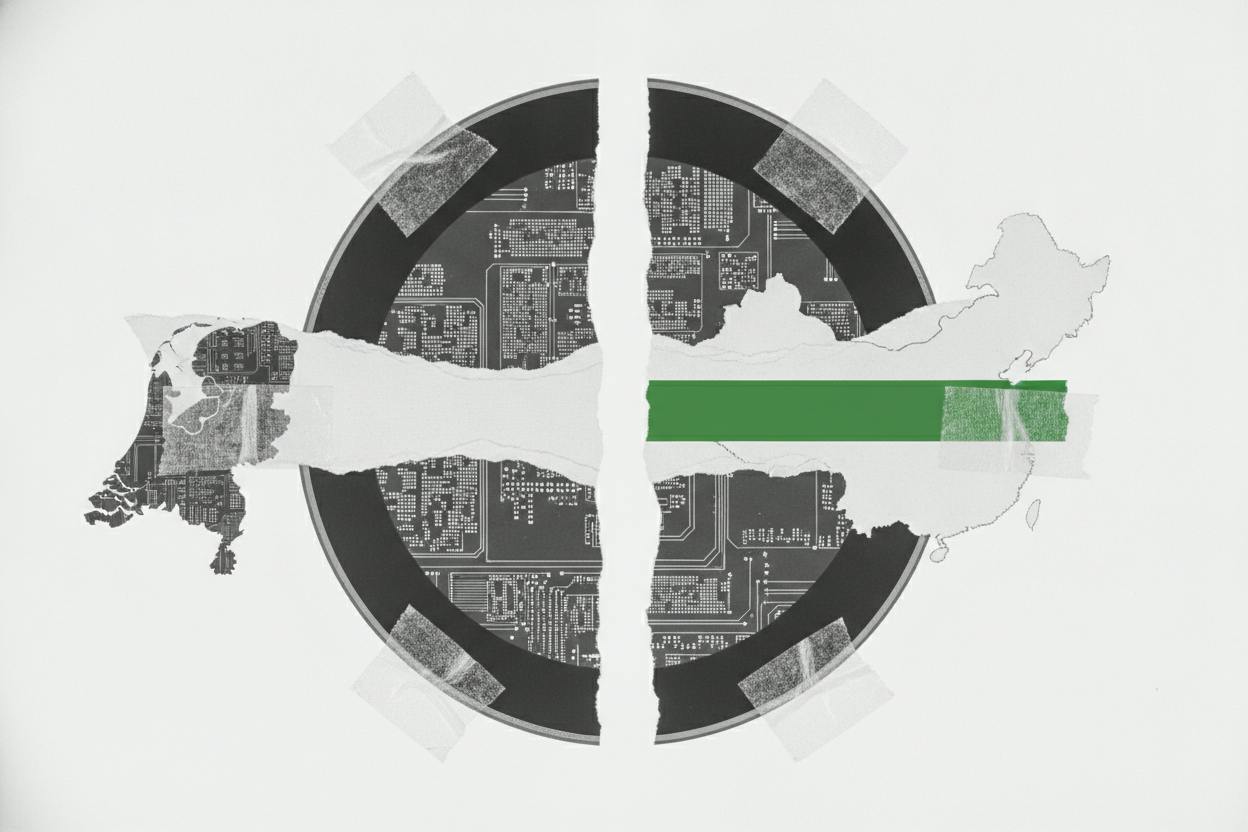
Dutch chipmaker Nexperia has left the door open to reuniting with its China business, with interim CEO Stefan Tilger saying Dutch and European authorities could accept such a move if it poses no risk to Europe's economy and industry. The remarks come more than a year after government and court actions forced the two operations onto separate tracks.
Nexperia, a semiconductor manufacturer with roots in the Netherlands, has been at the center of a transatlantic tug-of-war over chip technology. The company's China-linked ownership and operations have drawn scrutiny from regulators concerned about national security and the integrity of Europe's supply chains.
What happened
The split between Nexperia and its China business was not a voluntary corporate restructuring. It followed interventions by Dutch authorities and court rulings that effectively separated the two entities, reflecting broader worries about the influence of Chinese capital in critical European industries. The exact terms of the separation have not been fully disclosed, but the move was seen as a response to geopolitical tensions over semiconductors.
Now, Tilger's comments signal that the company is not ruling out a future reunification. He framed the condition clearly: any reunion would need to be acceptable to regulators, meaning it must not threaten Europe's economic security or industrial base. That is a high bar, but not an impossible one.
Why it matters
Semiconductors are the backbone of modern electronics, used in everything from smartphones to cars to military equipment. Europe has been trying to bolster its own chip industry, partly to reduce dependence on Asia and the United States. Nexperia is a significant player in this landscape, particularly in power semiconductors, which manage energy flow in devices and vehicles.
The company's situation is a microcosm of a larger debate: how much foreign investment should be allowed in strategically important sectors? European regulators have become more cautious about Chinese involvement in critical infrastructure and technology, but they also want to maintain open markets and attract investment.
Tilger's statement suggests Nexperia is trying to navigate this delicate balance. By emphasizing that a reunification would only happen if it poses no risk to Europe, he is signaling that the company is willing to work within regulatory frameworks. This could be an attempt to build goodwill with authorities while keeping future options open.
What it means for investors
For everyday investors, this news is a reminder that geopolitical risk can affect even seemingly stable companies. Nexperia is not publicly listed on major Western exchanges, but its operations are tied to the broader semiconductor supply chain, which includes many listed companies. Any major restructuring or regulatory decision could have ripple effects.
Investors should watch how European regulators respond to Tilger's comments. If they show openness, it could ease some of the uncertainty hanging over the company. If they push back, it might signal a tougher stance on Chinese-linked tech firms, which could affect sentiment across the sector.
The story also fits into a wider pattern of China's growing trade surplus and its implications for global markets. As China continues to expand its technological footprint, Western governments are grappling with how to manage that influence without cutting off access to a major market.
For those invested in European tech or semiconductor ETFs, the Nexperia situation is a case study in how regulatory actions can shape company fortunes. It is not a direct stock pick, but it highlights the importance of understanding the political and regulatory environment in which companies operate.
The bigger picture
Nexperia's case is not isolated. Other companies have faced similar pressures, such as Nvidia's recent China-related probes, which show how sensitive chip exports have become. The semiconductor industry is increasingly caught in the crossfire of US-China tensions, and Europe is not immune.
At the same time, there are signs of cooperation. Canada and China have opened new financial cooperation channels, suggesting that not all relationships are adversarial. The outcome of Nexperia's situation could offer clues about whether Europe is willing to take a more pragmatic approach.
For now, Tilger's comments are a signal of intent, not a done deal. The company will need to convince regulators that a reunification would not compromise European interests. That will likely involve detailed assessments of technology transfer, supply chain security, and governance.
Investors should keep an eye on any formal proposals or regulatory reviews that emerge. If Nexperia succeeds in reuniting with its China business, it could set a precedent for other companies in similar positions. If it fails, it may reinforce the notion that the era of easy cross-border tech integration is over.
Either way, the story underscores a key lesson for investors: in today's world, the line between business and geopolitics is increasingly blurred. Understanding that dynamic is essential for making informed decisions.



