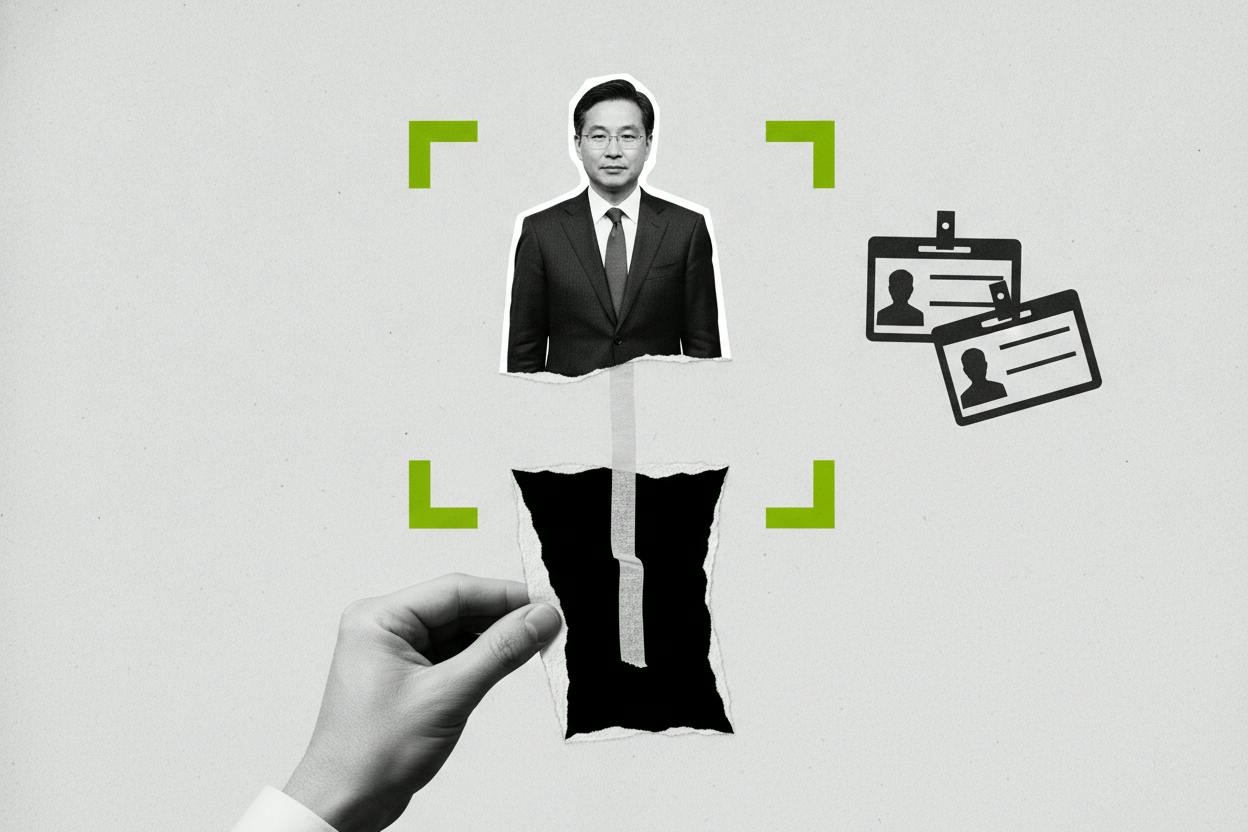
Nvidia's board is scheduled to meet Wednesday to consider removing CEO Jensen Huang, according to Reuters, a report that has helped trigger a roughly $600 billion selloff in the company's stock this week. The news forces investors to confront a question they have long avoided: what happens to the world's most valuable chipmaker if its iconic leader steps aside?
Huang, who co-founded Nvidia in 1993, has been the public face of the company's transformation from a gaming-chip maker into the dominant supplier of processors for artificial intelligence. His name is synonymous with the AI boom, and his keynote speeches at industry events are treated as major market catalysts. So the idea of his departure—voluntary or not—strikes at the heart of the company's investment thesis.
Reuters said Nvidia did not immediately comment on the report. The company's shares have fallen sharply this week, with the selloff accelerating as investors digest the possibility of a leadership vacuum at a critical time.
Why the board might act
According to Reuters, the board's consideration of Huang's removal stems from concerns about the company's direction and performance. While the report does not specify the exact reasons, it comes amid a backdrop of increasing competition, export restrictions on AI chips to China, and questions about whether the massive spending on AI infrastructure can be sustained.
Huang has been a hands-on CEO, deeply involved in product strategy and customer relationships. His leadership has been credited with Nvidia's ability to stay ahead of rivals like AMD and Intel. But some investors and analysts have begun to wonder whether the company's reliance on a single visionary is a risk, especially as the AI market matures and regulatory scrutiny grows.
The board's reported move is unusual. Most boards do not publicly consider removing a founder-CEO who has delivered extraordinary returns. But Nvidia's board may be responding to pressure from large shareholders or to internal disagreements about strategy. The fact that the meeting is happening at all suggests that the issue is being taken seriously.
Who could take over?
If Huang were to step down, the most likely successors are internal candidates who know the company intimately. Reuters names two: CFO Colette Kress and engineer Ian Buck.
Kress, who has been Nvidia's chief financial officer since 2013, is closely associated with the company's financial messaging on earnings calls. She has been the voice that explains Nvidia's results to Wall Street, and she is seen as a steady hand who could reassure investors about the company's financial health. However, she is not a technologist, and some might question whether she can lead product strategy.
Buck, a long-tenured engineer, has been a leader on core AI products. He is credited with helping to build Nvidia's CUDA software platform, which is essential to the company's AI dominance. Buck's technical background could make him a natural choice to maintain the company's innovation edge, but he lacks the public profile and CEO experience that Huang brings.
Other names could emerge from outside the company, but a search would take time. In the interim, some observers see a plausible bridge: an interim CEO or a co-CEO arrangement where Kress handles finance and Buck oversees product. Such a setup could provide continuity while the board searches for a permanent replacement.
What it means for investors
The $600 billion drop in Nvidia's market value is a real-time price tag on key-person risk. When a company's strategy is closely tied to one leader, the market tends to reprice the stock based on uncertainty, not on next quarter's earnings. Investors demand a higher equity risk premium because there is more doubt about execution, customer confidence, and internal decision-making.
Until the board signals a credible succession plan, Nvidia's stock is likely to remain volatile, with moves driven by sentiment and debates over what multiple the shares deserve. Clear lines of authority—whether through an interim CEO or a split of responsibilities—could reduce that uncertainty discount by showing that the company can function without Huang at the helm.
For everyday investors, this is a reminder that even the most successful companies can face leadership risk. Nvidia's story is not just about chips; it is about the people who make the decisions. As the board meets, the market will be watching for any sign of how the company plans to navigate a future without its founder.
Related coverage: Nvidia's CEO probe shakes Wall Street's top picks and tech rebound lifts Nasdaq, but Nvidia's leadership risk looms.