Oil prices extended their gains on Wednesday, hitting a one-month high as ongoing US-Iran clashes kept the Strait of Hormuz closed for another day. West Texas Intermediate (WTI) crude rose $0.37, or 0.5%, to $79.71 a barrel, while the global benchmark Brent crude climbed $0.50, or 0.6%, to $85.23.
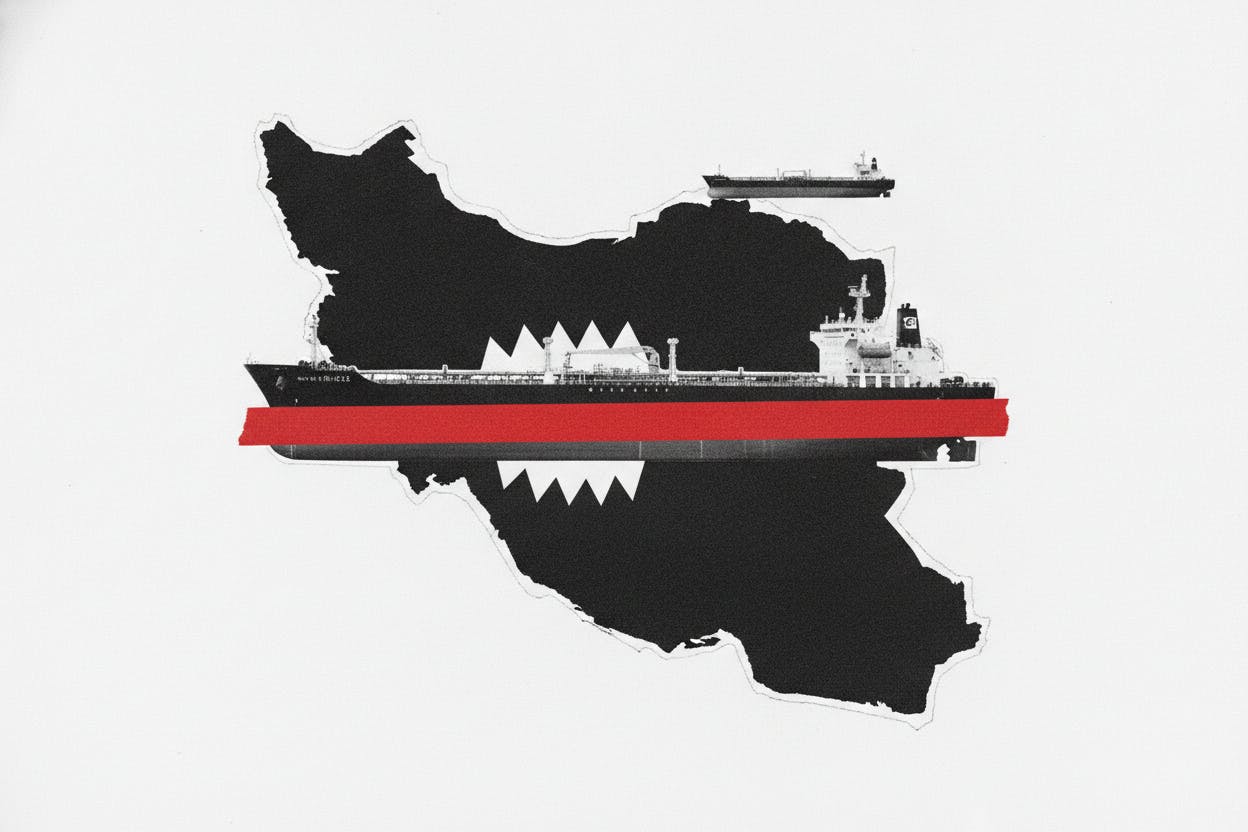
The Strait of Hormuz, a narrow waterway between the Persian Gulf and the Gulf of Oman, is one of the world's most critical oil transit chokepoints. Before the conflict began on February 28, the Persian Gulf region supplied roughly 20% of global daily oil demand. The closure has effectively cut off a significant portion of that supply, forcing buyers to scramble for seaborne crude from other regions.
Why the Strait Matters
The strait is only 21 miles wide at its narrowest point, but it handles about a fifth of the world's oil consumption. Tankers carrying crude from Saudi Arabia, Iraq, Kuwait, the United Arab Emirates, and Iran must pass through it to reach global markets. When the waterway is blocked, those shipments are delayed or rerouted, which pushes up shipping costs and spot prices for crude.
Traders are now watching the number of tankers waiting outside the strait. Fewer vessels are getting through, and the queue is growing. That dynamic forces buyers to pay a premium for available cargoes, especially for Brent, which is priced off North Sea crude but is the benchmark for most international oil deals. The supply disruption has also reinforced a market structure known as backwardation, where near-term contracts trade at a premium to later-dated ones—a sign that traders expect tight supply to persist. Our earlier report on Brent's backwardation returning highlighted how Hormuz risks were already tightening the market.
What This Means for Investors
For everyday investors, higher oil prices can have mixed effects. On one hand, they boost the revenues and profits of energy companies, which can lift stock prices in the sector. On the other hand, sustained increases in crude costs feed into higher gasoline and heating oil prices, which can squeeze household budgets and contribute to broader inflation.
The current price move is relatively modest—less than 1% on the day—but it comes after weeks of volatility tied to the conflict. The closure of the Strait of Hormuz is not a new development; it has been a recurring risk since the US-Iran fighting escalated. However, each fresh clash renews uncertainty about how long the disruption will last. The longer the strait remains shut, the more likely it is that oil inventories will draw down, putting further upward pressure on prices.
Investors should also note that the US Energy Information Administration (EIA) and the American Petroleum Institute (API) release weekly inventory data that can move markets. The API reported that US crude stocks fell, which added to the bullish sentiment. If official EIA data confirms a drawdown, it could reinforce the view that supply is tightening globally.
Broader Market Context
The oil price rally comes alongside broader market moves. The ASX 200, for example, recently hit a near-one-month high as banks and miners rallied on US inflation data, as we covered in our report on the ASX 200. Meanwhile, other commodities like natural gas have moved in the opposite direction, hitting two-month lows on cooler weather and ample storage, as detailed in our natural gas update.
The Strait of Hormuz situation has also weighed on specific stocks. BASF, the German chemicals giant, raised its outlook after a strong second quarter, but the Hormuz risk continued to drag on its share price, as we noted in our BASF coverage. Similarly, UAE stocks dipped as investors weighed Hormuz risks alongside US inflation data, as reported in our UAE markets piece.
What to Watch Next
Investors should keep an eye on diplomatic developments between the US and Iran, as well as any announcements about the strait's reopening. The Trump administration has taken a hard line, with the president vowing US control of the strait and tightening the shipping blockade, as we covered in our report on the blockade. Any sign of de-escalation could quickly reverse the price gains, while further clashes could push oil even higher.
For now, the market is pricing in a continued disruption. The backwardation in Brent suggests traders expect supply to remain tight in the near term. If the strait reopens, the premium could unwind rapidly. But if the conflict drags on, oil prices may have further to run, with implications for energy stocks, inflation expectations, and central bank policy decisions.