Sri Lanka's inflation problem is heating up again. The Colombo Consumer Price Index (CCPI), the country's main measure of consumer prices, rose 7.3% in July compared with the same month a year earlier, up from 6.8% in June. The acceleration comes after the government raised fuel prices by roughly 35%, a move that has sent ripples through the cost of everything from food to transport.
What's driving the rise?
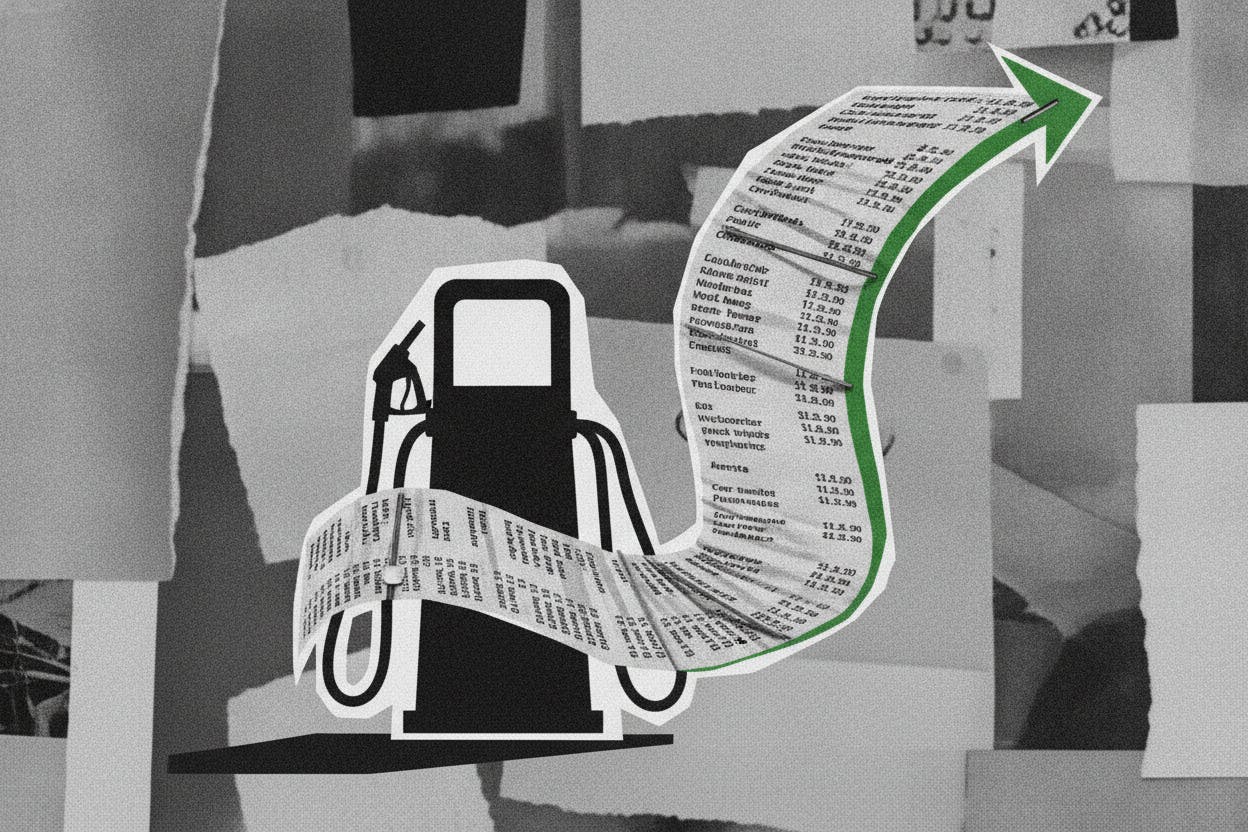
The fuel price hike is the main culprit. Higher fuel costs directly raise the price of petrol and diesel, but they also push up costs across the economy—transport companies charge more, farmers pay more to run machinery, and food producers face higher bills for processing and delivery. That's why food inflation jumped to 6.3% in July from 3.6% in June, even as non-food inflation cooled slightly.
The CCPI tracks the prices of a basket of goods and services in Colombo, the capital. It's a key indicator for the Central Bank of Sri Lanka (CBSL), which uses it to gauge price pressures and decide on interest rates. For ordinary Sri Lankans, the index is a direct reflection of how much more they're paying for daily essentials.
Economists are watching closely. One economist quoted in the data release expects inflation to keep climbing, peaking at 8.7% in November before easing. That suggests the worst may still be ahead for consumers, even if the pace of price increases eventually slows.
Why fuel prices matter so much
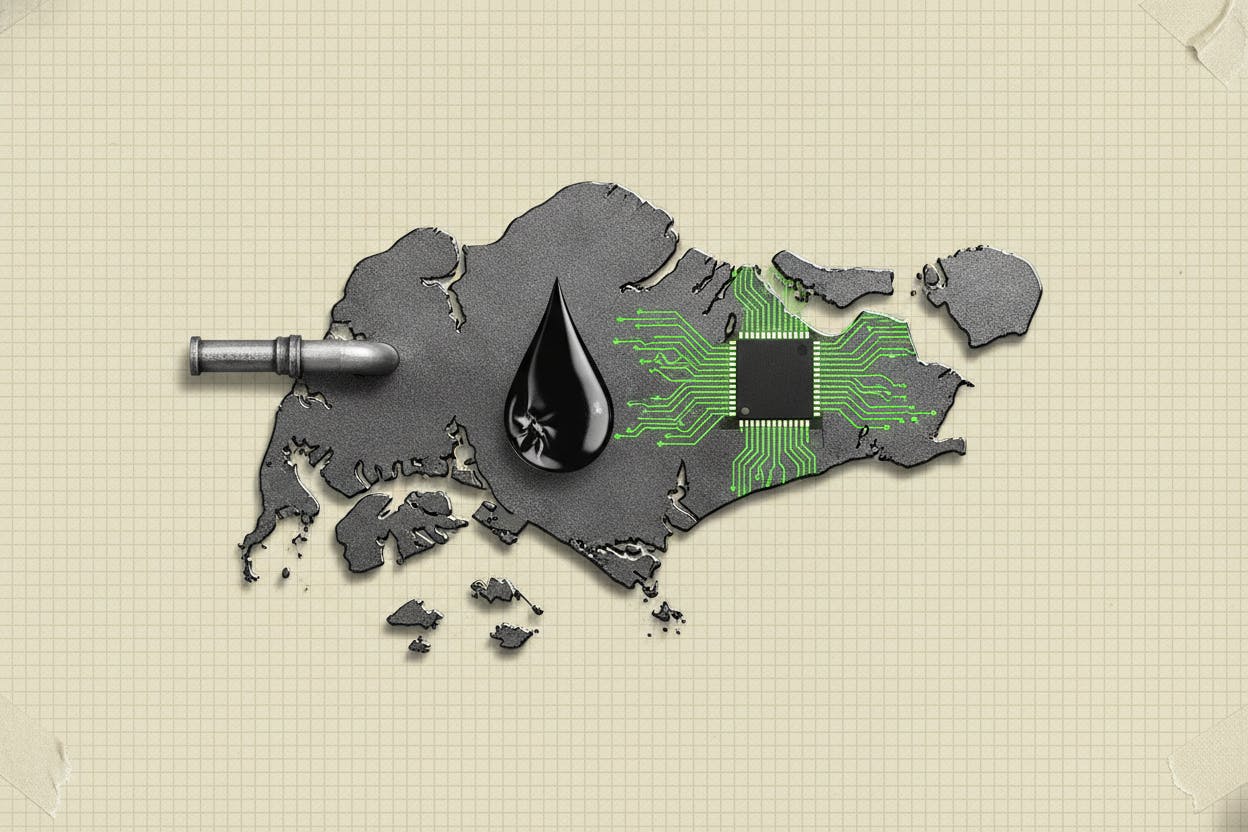
Fuel is a foundational cost in any economy, but it's especially important in Sri Lanka, which imports most of its energy. When global oil prices rise or the local currency weakens, the cost of imported fuel jumps. The government's decision to raise fuel prices by 35% was likely aimed at reducing subsidies and aligning domestic prices with global levels, but it comes at a cost to households already struggling with high living costs.
This isn't just a Sri Lankan story. Fuel costs are a major driver of inflation worldwide, as seen in IAG's profit slip on higher fuel costs and Advanced Innergy's outlook cut due to supply costs. When energy prices spike, they tend to feed through to a wide range of goods and services, making it harder for central banks to keep inflation under control.
What it means for investors
For investors with exposure to Sri Lanka—whether through local stocks, bonds, or the currency—the inflation pickup is a double-edged sword. On one hand, higher inflation can erode the real value of fixed-income investments like bonds. On the other, it may prompt the central bank to raise interest rates, which could support the currency but also slow economic growth.
The CBSL has a delicate balancing act. If it hikes rates too aggressively, it could choke off a fragile recovery. If it holds rates steady, inflation could become entrenched. Investors will be watching the central bank's next moves closely, as well as any further fuel price adjustments.
For everyday investors, the key takeaway is that inflation is a persistent risk in emerging markets like Sri Lanka. It can affect everything from the value of your savings to the performance of local stocks. Diversifying across geographies and asset classes can help cushion the blow.
The inflation data also has broader implications. Sri Lanka is still recovering from a severe economic crisis, and high inflation makes it harder for households to make ends meet. That could weigh on consumer spending and corporate profits, which in turn affects stock prices. As Chevron's strong quarter on high oil prices shows, energy costs can have outsized effects on both companies and economies.
What to watch next
Investors should keep an eye on the monthly CCPI releases, as well as any statements from the CBSL. The November peak predicted by the economist will be a key test—if inflation comes in higher than expected, the central bank may be forced to act more aggressively. Also watch for any changes in fuel pricing policy, as further hikes could push inflation even higher.
In the meantime, the inflation story in Sri Lanka is a reminder that energy costs are a powerful force in the global economy. Whether it's Tokyo's inflation ticking up or softer producer inflation easing rate worries in South Africa, the same dynamics play out everywhere. For investors, understanding how fuel prices flow through the economy is essential to navigating the risks and opportunities.